Languages
Tuesday, September 1, 2026



News and Views from the Global South
Human Rights
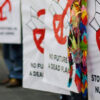
US Mayors Renew Call for US to Lead World–Back from Nuclear Brink
July 16, 2025, will mark the 80th anniversary of “Trinity,” the first nuclear test detonation, at Alamagordo, New Mexico, and August 6 and 9 will mark the 80th anniversaries of the United States atomic bombings of Hiroshima and Nagasaki. Rather than commemorating those somber anniversaries as a grim reminder of the past, this year they serve as a foreboding warning of what may be to come.
Mexico’s Judicial Elections: A Democratic Mirage
On 1 June, Mexico made history by becoming the only country in the world to elect all its judges by popular vote, from local magistrates to Supreme Court justices. This unprecedented process saw Mexican voters choose candidates for 881 federal judicial positions, including all nine Supreme Court justices, plus thousands at local levels across 19 states. Yet what the government heralded as a transformation that made Mexico the ‘the most democratic country in the world’ may turn out to be a dangerous deception.
The Young Nigerian Innovator Lighting Up Communities With Recycled Solar Innovation
When Stanley Anigbogu heard his name announced as the 2025 Commonwealth Young Person of the Year in London earlier in March, he could hardly believe it. He had not expected to win, especially among a pool of brilliant nominees from across the globe.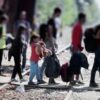
The Demographic Struggle Over International Migration
Approximately 1.3 billion people, or 16% of the world’s population, wish to leave their country permanently, while over a billion people believe that fewer or no immigrants should be allowed into their countries. This demographic struggle between the two sides over international migration is causing significant social, economic, and political repercussions for nations and their citizens.
UN Drug Office Warns that Global Drug Crisis Will Intensify
Since 1989, the United Nations (UN) has recognized June 26 as the International Day Against Drug Abuse and Illicit Trafficking in an effort to raise awareness around the global drug problem and foster a more compassionate world, free of drug abuse. Through this year’s campaign, “Break the Cycle. #StopOrganizedCrime”, the UN underscores the importance of addressing the root causes of global drug abuse and illegal drug trading, and investing in reliable systems that prioritize prevention, education, and health.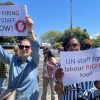
UN80: Beyond Disposable Staff Distracting Reforms Restoring UN Effectiveness
In an era defined by the gig economy and pervasive job insecurity, advocating for permanent contracts within the United Nations might seem anachronistic, even counterintuitive.
‘Enabling Machines to Make Life and Death Decisions Is Morally Unjustifiable’
CIVICUS discusses autonomous weapons systems and the campaign for regulation with Nicole van Rooijen, Executive Director of Stop Killer Robots, a global civil society coalition of over 270 organisations that campaigns for a new international treaty on autonomous weapons systems.

Fixing the House the World Built: A Realistic Plan for UN Reform
I’ve spent much of my life in the machinery of international development, navigating acronyms, crises, and committee rooms with stale coffee. Through it all—amid war zones, climate summits, and remote island consultations—one institution has remained constant: the United Nations.
A Crisis-Stricken UN’s Frantic Hunt for Low-Cost Locations—away from New York & Geneva
In the US, the success of a business enterprise or the value of real estate is reflected in a repetitive and alliterative phrase: “LOCATION, LOCATION, LOCATION”. As the UN continues its plans for system-wide restructuring-- amidst a growing liquidity crisis-- one of the key issues on the negotiating table is the re-location of UN agencies: a choice between high-cost and low-cost duty stations.
What the Ceasefire Between Israel and Iran Means for Israel-Palestine Conflict
The Trump administration announced on June 23 that a ceasefire agreement between Israel and Iran had been reached following 10 days of conflict between the two nations and the United States’ bombardment of three nuclear sites in Iran. The establishment of the ceasefire will return focus back to the conflict between Israel and Palestine and the ongoing humanitarian crisis.
A Growing Gap between Principle and Implementation: 20 Years of Responsibility to Protect
United Nations member states this week reiterated their commitment to the prevention of genocide, war crimes, ethnic cleansing and crimes against humanity—at a time when world powers are failing to meet these obligations.
Increased Demand for Cobalt Fuels Ongoing Humanitarian Crisis in the Democratic Republic of the Congo
The demand for cobalt and other minerals is fueling a decades-long humanitarian crisis in the Democratic Republic of the Congo (DRC). In pursuit of money to support their families, Congolese laborers face abuse and life-threatening conditions working in unregulated mines.
Lawmakers in Maldives Pledge to Support Women Leaders
A meeting of parliamentarians in Malé, the Maldives, pledged to provide an enabling environment for emerging women leaders by supporting them and promoting a political culture rooted in mutual respect, inclusivity, and equal opportunity.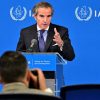
Iran— Deja Vu All Over Again
Chest thumping “Mission Accomplished” claims by President Trump that he ordered the world’s biggest conventional bombs to be dropped on a sleeping nation of 90 million people, were premature. To top it off he bragged that Iran’s nuclear capacity was devastated and that the whole nation fired “not a single shot” back.
Poland’s Democratic Deadlock
Poland’s embattled Prime Minister Donald Tusk emerged bruised but still standing after his government survived a parliamentary vote of confidence on 11 June. He’d called the vote, which he won by 243 to 210, just days after the presidential candidate of his Civic Platform (PO) party suffered an unexpected defeat.
Why Peacebuilding Needs a New Global Agenda
 It has been 33 years since peacebuilding was formally recognized within the United Nations system, by the then UN Secretary-General Boutros-Ghali, who defined it as a long-term structural work aimed at preventing the recurrence of violence, setting the stage for the UN’s ongoing efforts to address the root cause of conflict and not just its consequences. “Post-conflict peacebuilding is the action to identify and support structures which will tend to strengthen and solidify peace in order to avoid a relapse into conflict,” Boutros-Ghali said.

Despite Strong Commitment, SDGs Progress Alarmingly Off Track 10 Years On—New UN Report Finds
Finland now ranks first in global sustainable development goals progress. Barbados is ahead globally in its commitment to UN multilateralism or cooperation among multiple nations. Only 17 percent of sustainable development goals (SDG) targets are on track for 2030, according to the Sustainable Development Report 2025 (SDR) released today by the UN Sustainable Development Solutions Network (SDSN)
Less Investment, Less Aid: How FDI Shortfalls are Hurting Global Relief Efforts
The world is losing interest in investing in others, especially when it comes to humanitarian aid. Foreign Direct Investment (FDI) has slowed to critical levels, weakening emerging markets and further slowing growth across developing nations.
“Slash and Burn” Approach to UN Reforms Under Fire
“We are writing to you regarding the cuts being undertaken under the UN80 Initiative and, more broadly, across the UN system. While we are mindful of the current funding challenges, we believe that the rushed and chaotic manner in which these changes are being implemented is causing deeper harm to both the effectiveness and reputation of the United Nations.
‘In the Face of Funding Cuts, Civil Society Has Taken a Leading Role in the Humanitarian Response’
CIVICUS discusses the closure of offices of the United Nations Refugee Agency (UNHCR) in Mexico with members of Integral Human Rights In Action (DHIA), a Mexican civil society organisation (CSO) that promotes and defends human rights in contexts of mobility.

Women in Afghanistan Face a Total Lack of Autonomy
Nearly four years ago, the Taliban took control of Afghanistan and issued a series of edicts that significantly restricted women’s rights nationwide. This has resulted in a multifaceted humanitarian crisis, one marked by a notable decline in civic freedoms, stunted national development, and a widespread lack of basic services.« Previous Page — Next Page »


One world, one humanity, now one court to defend its rights. Another step towards universal human rights, but not remotely a step far enough. The United Nations adopted the Universal Declaration of Human Rights more than half a century ago, but that has done little to stop violations the world over, just as the Geneva Convention has not protected prisoners of war enough. Democracy itself and the freedom it presupposes has not been protective enough. This is the century to move from politicisation of human rights towards humanising political ways. IPS keeps an eye on that difficult path.

The Week with IPS

NEXT STOP - SDGs
Tracking global progress towards a sustainable world
Tracking global progress towards a sustainable world
