Languages
Friday, October 23, 2026



News and Views from the Global South
Press Freedom
MEDIA-EGYPT: Ahmed To Challenge 'Press Offences'
Makram Mohamed Ahmed, newly elected Egyptian Journalists Syndicate chairman, has promised to pursue the syndicate's longstanding goal of outlawing the practice of issuing jail terms for so-called "publication offences".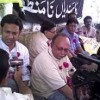
PAKISTAN: Media Under Siege
From being the liberal President under whom Pakistan’s independent electronic media was born and flourished, Pervez Musharraf is now seen as the military general who imposed emergency rule on Nov 3 and suspended the Constitution and the independent judiciary.MEDIA: They Made Thrones Tremble
Nearly 500 journalists have been murdered in the last 15 years, according to the New York-based Committee to Protect Journalists (CPJ), and about 85 percent of those crimes have gone unpunished.POLITICS: Gagged at Home, Pakistanis Take to Cyberspace
Pakistanis officially gagged by emergency rule are voicing grievances and mobilising resistance in a place beyond their military rulers' writ: cyberspace.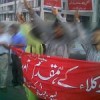
POLITICS-PAKISTAN: Intelligentsia Finds Ways to Beat Emergency Rule
Faced with a continuing news blackout and with street protests being met with police beatings and imprisonment, members of Pakistan’s civil society who oppose the ‘emergency’, imposed by President Gen. Pervez Musharraf a week ago, are finding alternative ways to express dissent.MEDIA-BURMA: Keeping the Flame Alive Over Radio, Internet
International media interest in Burma seems to have cooled down after images of the violent dispersal of pro-democracy demonstrators were splashed on TV screens and newspapers late September. But exiled Burmese journalists are determined to keep the flame going over radio and the Internet.CANADA: Upstart Paper Cracks Irving Media Monopoly
For more than two years, the Irvings - the 129th richest family in the world, with interests in energy, construction, forestry and transportation - owned every single English language newspaper and magazine in the Canadian province of New Brunswick.PAKISTAN: Media Muffled Under Musharraf’s Emergency
"I have the habit of saying what I have to and will continue to do so," Syed Talat Hussain, anchor of a popular current affairs programme on Aaj TV, says in an interview from Islamabad.PAKISTAN: Emergency Rule Draws Fire, But No Sanctions
The U.S.-backed Pakistani ruler Gen. Pervez Musharraf's imposition of emergency rule in his country is being widely condemned by human rights organisations and democratic nations across the world, although immediate aid cuts appear unlikely.MEDIA-FIJI: Court Strikes Blow For Right to Information
Civil society organisations in Fiji have welcomed a High Court decision giving the media the right to publish a confidential audit report commissioned by the state pension fund.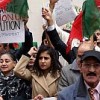
PAKISTAN: Hard on Civil Society, Soft on Extremists
Pakistani President Gen. Pervez Musharraf appears to be following a strategy of being hard on lawyers and the judiciary, and soft on Islamist extremists - the two groups he blamed for imposing emergency rule in the country on Saturday.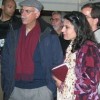
MEDIA: Three Names the World Should Know
"I am staying in Afghanistan to prove that women are brave and strong," says Afghan journalist Farida Nekzad.GUATEMALA: Journalists Face Threats Over Report on Candidate
"Where are you? Hurry up, we’re waiting for you!" barked the voice on the telephone. Guatemalan journalist Enrique Castañeda had just finished writing an investigative article on rightwing presidential candidate Otto Pérez’s alleged links with organised crime, and this was the first phonecall he received.HONDURAS: Death Threat Prompts Reporter to Flee Country
The news director of the Radio Cadena Voces (RCV) radio station, Dagoberto Rodríguez, fled Honduras Thursday after the police warned him that he could be killed by "sicarios" (paid gunmen) in the next 72 hours.
Q&A: 'If Journalism Becomes Further Marginalised, Look Out, World…'
Shrinking newsrooms, declining sales and audiences, vanishing foreign correspondents, concentration of ownership, shrivelling papers...is journalism imploding? Can independent journalism survive?POLITICS-THAILAND: Straitjacket Elections Has Army Stamp All Over
The first parliamentary election to be held in Thailand since last year’s army coup is generating excitement for the wrong reasons. Political parties, the media and analysts are up in arms over a raft of restrictions imposed on candidates for the Dec. 23 poll.CHILE: Breath of Fresh Air for Community Radio Stations?
After a seven year wait, community radio stations in Chile are celebrating a draft law that would regulate and promote their activities, which the government of President Michelle Bachelet has sent to Congress. But they remain aware of the hurdles that still lie ahead.EGYPT: Journalists Get Jail Sentences in New Crackdown
The government has stepped up its campaign against the independent and opposition press, with criminal courts delivering prison sentences to 11 prominent journalists within the last two months. While state prosecutors accuse the writers of "publishing false news", spokesmen for the Egyptian Journalists Syndicate have described the latest crackdown as a "war" on press freedom.
MEDIA-PAKISTAN: Bomb Blasts Add to Journalists' Risks
When TV cameraman Arif Khan added to the list of over 140 people who died in the bombings that targeted the welcome procession for former prime minister Benazir Bhutto, on Oct. 18, it highlighted the many risks that journalists in Pakistan now face.MEDIA: Citizen Journalism Opening Up Political Space in Africa
Anyone with a mobile phone can call a radio station in Ghana now to question a government minister about the promises he made election time.
RIGHTS-BURMA: Media-in-Exile Examine Strengths, Weaknesses
As Burma’s junta clamps down on citizen journalists in the wake of the brutal repression it unleashed on monks and pro-democracy protestors, the ‘media-in-exile’ are hard put to maintain the information flow on events in their country.« Previous Page — Next Page »





Journalism is dangerous work. Dozens of reporters and other media workers are killed in the line of duty each year. Hundreds more face threats, intimidation, and harassment as they risk their lives to let us know what is going on in war zones and as they root out corruption. In the Information Age, the Internet provides us with new ways to disseminate the news even as it poses new threats to press freedoms.


IPS Director General Farhana Haque Rahman was invited by UNESCO as a panelist at the World Press Freedom Day 2017 gathering in Jakarta, in the Plenary Session: Quality journalism: a public good for just, peaceful and inclusive societies.

The Week with IPS

NEXT STOP - SDGs
Tracking global progress towards a sustainable world
Tracking global progress towards a sustainable world
