Languages
Saturday, September 5, 2026



News and Views from the Global South
Press Freedom
Russia-Africa: Developing Media Partnership
At a recent media briefing, Maria Zakharova, the spokesperson for Russia's Foreign Ministry, criticized the United States for its support of educational programs, media and NGOs in Africa. Zakharova argued that these efforts are part of a broader attempt by the U.S. to impose Western values and governance models on sovereign African states, framing it as a form of neo-colonialism.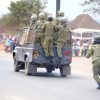
A Glimpse into Tanzania’s Political Turmoil Ahead of 2025 Election
At a rally to mark International Youth Day on August 12 in Tanzania’s southern Mbeya region, John Mnyika stood with a determined expression, addressing his supporters. The air was charged with anticipation. Mnyika, the Secretary-General of Tanzania’s opposition party, Chadema, was preparing to speak about the upcoming elections when the chaos erupted. Without warning, heavily armed police officers stormed the event, grabbed Mnyika, and dragged him away.
‘We Continue Working to Make Sure Afghan Girls and Women Are Heard and Not Forgotten’
CIVICUS discusses Afghanistan’s system of gender apartheid with Shaharzad Akbar, Executive Director of Rawadari, a human rights organisation founded by Afghans in exile.

Azerbaijan Turns into a “Massive Open-Air Prison” before UN Climate Change Conference
On November 20, 2023, Ulvi Hasanli, director of AbzasMedia —an independent media outlet in Azerbaijan—was arrested when he was about to board a taxi to Baku airport. Meanwhile, uniformed officers raided AbzasMedia's headquarters in the Azerbaijani capital, claiming to have found 40,000 euros in cash, which was used as evidence to accuse Hasanli of currency smuggling.
Pakistan’s Digital Censorship—The Real Cost of Internet Disruptions
Over the past few months, Pakistan has been grappling with a persistent and disruptive internet slowdown, leaving millions of citizens frustrated.
‘The Focus Should Be on Holding Social Media Companies Accountable, Not Punishing Individual Users’
CIVICUS discusses the recent Twitter/X ban in Brazil with Iná Jost, lawyer and head of research at InternetLab, an independent Brazilian think tank focused on human rights and digital technologies.
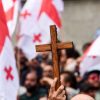
Georgia’s Dangerous Anti-LGBTQI+ Law
Georgia’s ruling party has put LGBTQI+ people firmly in the firing line ahead of next month’s election. On 17 September, parliament gave final approval to a highly discriminatory law that empowers the authorities to censor books and films with LGBTQI+ content, stop discussion of LGBTQI+ issues in schools, ban people from flying rainbow flags and prevent Pride events. The law excludes LGBTQI+ people from adopting children, bans gender affirmation surgery and refuses to recognise same-sex marriages of Georgians conducted abroad.
Severe Floods in Nigeria Magnify The Dire Humanitarian Crisis
On Monday, the Alau dam in Maiduguri, Borno State, collapsed, causing flash floods to ravage neighbouring regions in Nigeria. This comes after weeks of torrential rain, which caused severe structural damage to the dam. The floods have changed the lives of thousands and caused high levels of damage to infrastructures. The impacts of the recent floods compound with Nigeria’s pre-existing humanitarian crisis, which includes armed conflict, widespread malnutrition, and a failing economy.
TOGO: ‘The International Community Must Send a Clear Message That Power Grabs Won’t Be Tolerated’
CIVICUS discusses the crackdown on civil society in Togo with a human rights defender who asked to stay anonymous for security reasons.
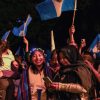
Nicaragua, China, India among 55 Nations Restricting Freedom of Movement
At least 55 governments in the past decade have restricted the freedom of movement for people they deem as threats, including journalists, according to a Freedom House report published last Thursday.
Venezuela Struggles to Hold on to Hope
There was an unusual sense of hope going into Venezuela’s 28 July presidential election. Democracy seemed on the horizon. María Corina Machado, the opposition’s rallying figure, had inspired a rare level of enthusiasm, promising millions of exiles they’d soon be able to return to a new Venezuela.
Freedom of Press in Jeopardy With Journalists in Crossfire in Kenyan Protests
In the heart of Nairobi, as tear gas clouded the streets, the line between journalists and protesters blurred in the eyes of Kenyan law enforcement. A wave of anti-government protests, ignited by opposition to a proposed finance bill, has spiraled into violence, with journalists increasingly caught in the crossfire between police and protesters.
Killings of Palestinian Journalists Continue –Aided by Uninterrupted Flow of US Arms
The growing number of killings of Palestinian journalists in Gaza has triggered a demand for a cut-off in US arms supplies to Israel. Sarah Leah Whitson, Executive Director, Democracy for the Arab World Now (DAWN), told IPS despite pleas of the international community to suspend arms to Israel in the face of its unprecedented atrocities against Palestinians in Gaza, including the killing of over 165 Palestinian journalists, it beggars the imagination that Biden is now seeking to sell Israel new weaponry to facilitate even more slaughter.
Will the New Cybercrime Treaty be Used as a Tool for Government Repression?
A new UN Cybercrime Treaty, which is expected to be adopted by the UN General Assembly later this year, is being denounced by over 100 human rights activists and civil society organizations (CSOs) as a potential tool for government repression. The treaty is expected to be adopted by a UN Ad Hoc Committee later this week and move to the 193-member General Assembly for final approval.
Nigeria: Why #EndBadGovernanceInNigeria Protests Gained Traction
Thousands of Nigerians have taken to the streets to protest against bad governance, corruption, soaring inflation, and the rising cost of living, in what has been termed "10 Days of Rage" and believed to mirror Kenyan protests organized by the youth. Nigeria, Africa's most populous country and a major exporter of crude oil, citizens claim that the benefits of the country's resources do not trickle down to the masses but to a group of corrupt politicians.
Cambodia’s Young Environmental Activists Pay a Heavy Price
It’s risky to try to protect the environment in authoritarian Cambodia. Ten young activists from the Mother Nature environmental group have recently been given long jail sentences. Two were sentenced to eight years on charges of plotting and insulting the king. Another seven were sentenced to six years for plotting, while one, a Spanish national banned from entering Cambodia, was sentenced in absentia.
Paraguay: ‘Bureaucratic Criminalisation’, New Legislation Threatens NGOs and Democracy
In a move that has aroused national and international concern, the Paraguayan Senate has given preliminary approval to a controversial bill that imposes strict controls on NGOs in a case of ‘bureaucratic criminalisation’.
Rights Groups Demand Governments Protect Exiled Journalists, Dissidents
Rights groups have called for governments to do more to combat transnational repression as a series of recent reports show growing numbers of exiled journalists, political dissidents and rights defenders are being targeted by autocratic regimes in an attempt to silence them.
The International Seabed Authority Must Change Course Amid Series of Scandals
The International Seabed Authority (ISA) has enormous importance as responsible for the fate of the largest, and most untouched, biome on the Planet. Ahead of elections for its leadership, governments cannot ignore that its current Secretary-General has become the subject of both media investigations and criticism from other parts of the UN.
The UK’s Chance for Change
The political tide has turned in the UK – and civil society will be hoping for an end to government hostility. The 4 July general election ended 14 years of rule by the right-wing Conservative party. The centre-left Labour party has returned to power, winning 411 out of 650 parliamentary seats.
Free Speech Under Siege—across West Africa
Authoritarian overreach is re-defining itself across West Africa, fuelled by armed conflicts, military coups, and electoral manipulation and violence, as the region experiences a decline in democracy.« Previous Page — Next Page »


Journalism is dangerous work. Dozens of reporters and other media workers are killed in the line of duty each year. Hundreds more face threats, intimidation, and harassment as they risk their lives to let us know what is going on in war zones and as they root out corruption. In the Information Age, the Internet provides us with new ways to disseminate the news even as it poses new threats to press freedoms.


IPS Director General Farhana Haque Rahman was invited by UNESCO as a panelist at the World Press Freedom Day 2017 gathering in Jakarta, in the Plenary Session: Quality journalism: a public good for just, peaceful and inclusive societies.

The Week with IPS

NEXT STOP - SDGs
Tracking global progress towards a sustainable world
Tracking global progress towards a sustainable world
