Languages
Tuesday, September 15, 2026



News and Views from the Global South

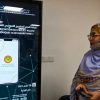
Mauritania Pilots Digital ID App
Governments are increasingly adopting the digital public infrastructure (DPI) approach to deliver public services. An essential component of this is digital identity. Digital identities are often designed to provide a seamless experience for users which ought to be secure, user-friendly, and preserve privacy.
US Flails in GM Corn Dispute with Mexico
Closing arguments are in in the U.S. trade complaint against Mexico’s restrictions on genetically modified (GM) corn, with the three-arbitrator tribunal set to rule on the matter in November. The legitimacy of the trade agreement itself hangs in the balance.
Venezuela Struggles to Hold on to Hope
There was an unusual sense of hope going into Venezuela’s 28 July presidential election. Democracy seemed on the horizon. María Corina Machado, the opposition’s rallying figure, had inspired a rare level of enthusiasm, promising millions of exiles they’d soon be able to return to a new Venezuela.
Kazakhstan Takes Lead in Global Push for Nuclear Disarmament Amid Heightened Tensions
In a world increasingly shadowed by the threat of nuclear conflict, Kazakhstan is stepping up its efforts in the global disarmament movement. On August 27-28, 2024, in collaboration with the United Nations Office for Disarmament Affairs (UNODA), Kazakhstan will host a critical workshop in Astana. This gathering, the first of its kind in five years, is set to reinvigorate the five existing Nuclear-Weapon-Free Zones (NWFZs) and enhance cooperation and consultation among them.
How Extreme Heat Intensifies Health Problems and Hunger
In May, temperatures soared above 52° Celsius (125.6° Fahrenheit) in Pakistan’s southern province of Sindh. To cope, Samina Kanwal, a community health worker with Action Against Hunger, began work at 7:00 am — the earliest time possible given neighborhood security protocols — to travel door-to-door helping vulnerable with the health consequences of extreme heat including heatstroke, difficulties with brain function, and even hunger.
2023 Deadliest Year for Aid Workers– & 2024 Could be Even Worse, Predicts UN
Back in August 2003, the United Nations faced one of its violent tragedies when a terrorist attack on the UN headquarters in the Iraqi capital of Baghdad claimed the lives of 22 people. Among those killed was Sergio Vieira de Mello of Brazil, the UN envoy in Iraq and High Commissioner for Human Rights, who had a long and distinguished UN career stretching over 30 years.
Micro-Dams, a Solution to Water Shortages in Rural Brazil
Water shortage is over, springs have emerged or become perennial, small ponds with fish have formed and pastures have become greener and more permanent, all thanks to the ‘barraginhas’, the Portuguese name given in Brazil to micro-dams that retain rainwater and infiltrate it into the soil.
Origins of the Gaza Catastrophe – Part 1
During the first half of the 20th century, antisemitism was endemic in Europe and eventually burst out in full force when Nazi-Germany and its collaborators between 1941 and 1945 systematically (and well-documented) murdered six million Jews across German-occupied Europe. In an environment mined by hostile public opinion, the Zionist Nahum Sokolow popularized the Hebrew term Hasbara. The word has no real equivalent in English, but might be translated as “explaining”, indicating a strategy seeking to explain actions, regardless whether or not they are justified. As a skilled diplomat, Sokolow based his widely publicized opinions on in-depth research of actual events, though he presented his findings in a manner that favoured his cause.
Dealing with Bangladesh’s Odious Debt
Bangladesh has become increasingly indebted since 2009. The country’s external debt stock increased from US$23.3 billion in 2008 to US$100.6 billion in December 2023 (see figure below). Thanks to the country’s mega-projects led so-called development with borrowed money under the now deposed authoritarian regime of Sheikh Hasina.
Gender Equality Has Everything To Do with Climate Change
After years of reporting on the frontlines of climate change, I have witnessed the devastating impact extreme weather events have on women and girls. In Kenya’s pastoralist communities in far-flung areas of Northern Kenya, West Pokot, Samburu and Narok counties, droughts mean a resurgence in harmful cultural practices such as outlawed female genital mutilation (FGM), beading and child marriages.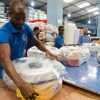
How the Private Sector Can Create Jobs and Drive Development in Western & Central Africa
Every year in Western and Central Africa, 6 million young people enter the labor force, while only about half a million new jobs are created. This enormous jobs deficit means that most entrants into the workforce work in the informal sector, with insecure income, low quality employment, and very little hope of escaping poverty.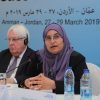
Yemen Crisis Brings Small Reprieve for Entrepreneurial Women
Once upon a time, the Sheba (Seba’a) Kingdom (today’s Yemen) had a prominent queen. Women, in the presence of men, were held in a higher position, literally.
Empowering Women for a Green Future: AFPPD Conference Tackles Climate Change and Gender Equality
Robust data collection, integrated policies, and an accelerated push towards a green economy with a gender focus topped the agenda at a conference in Islamabad, Pakistan, that brought together policymakers, experts, and advocates from across the Asia-Pacific region.
Freedom of Press in Jeopardy With Journalists in Crossfire in Kenyan Protests
In the heart of Nairobi, as tear gas clouded the streets, the line between journalists and protesters blurred in the eyes of Kenyan law enforcement. A wave of anti-government protests, ignited by opposition to a proposed finance bill, has spiraled into violence, with journalists increasingly caught in the crossfire between police and protesters.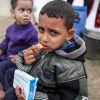
WFP in Gaza: ‘We Need a Long Ceasefire That Leads to Peace so We Can Operate’
Corinne Fleischer, WFP’s regional director for the Middle East, North Africa and Eastern Europe, describes Gaza as “a terrible situation getting worse.” Over the past two weeks, 21 United Nations World Food Programme (WFP) food distribution points have been closed under evacuation orders.
Ensuring a Healthier Future By Sustaining the Fight Against NTDs
Over the last ten years, I have been privileged to witness incredible progress in the fight against neglected tropical diseases (NTDs) – a journey marked by unwavering dedication, resilience, and hope.
Rizwana Hasan Vows to Ensure Justice for Those Killed During Bangladesh’s Quota Reform Movement
Justice for all those who died and suffered injuries during the recent student-led quota reform movement in Bangladesh and reforms to the systems to ensure that this justice takes place are not negotiable, an adviser to the Bangladesh interim government, Syeda Rizwana Hasan, told IPS in an exclusive interview
The Plight of Women Three Years after Taliban Takeover in Afghanistan
I’ve just come back from the north of Afghanistan. I asked the women I met what they want the world to know about their lives. One woman, Nasima told me: “I was married at 16. I couldn’t finish school. My hope was that my daughter’s life would be better. Now I’m worried her life is going to be worse. To those who are still listening to our voices, please help us fight for our freedom.”
Handling Financial Crises in the South
When history repeats itself, the first time is a tragedy; the next is a farce. If we fail to learn from past financial crises, we risk making avoidable errors, often with irreversible, even tragic consequences.
Empowering Africa’s Informal Market Traders To Deliver Safe Food
Local informal food markets feed millions of urbanites in bustling African cities, but the consequences of tainted food could be illness and death for unsuspecting consumers.
South Sudan: World’s Youngest Nation at a Crossroads
Thirteen years since becoming an independent state, South Sudan faces profound humanitarian challenges. South Sudan’s first Independence Day was imbued with a great sense of hope.« Previous Page — Next Page »


Want to keep up with the latest news and views from the Global South? Sign up for IPS Daily News Report for daily emails with our top stories about international development, climate change, gender and more. (Formerly IPS TerraViva since 1993).

The Week with IPS

NEXT STOP - SDGs
Tracking global progress towards a sustainable world
Tracking global progress towards a sustainable world
