Languages
Wednesday, August 12, 2026



News and Views from the Global South


Third LDC Future Forum Concludes with Ambitious Plans to Build Resilience in Least Developed Countries
The 3rd LDC Future Forum, held from April 1-3, 2025, in Zambia, brought together global leaders, policymakers, and experts to address the urgent need for resilience in the world’s 44 Least Developed Countries (LDCs).
Trump Accord Sows Discord in US Empire
US President Donald Trump has deliberately sown discord worldwide in attempting to remake the world to serve supposed American interests better. He will not cede influence, let alone power and control, to other nations, let alone people.
Lives at Risk After Some States Withdraw From Landmine Treaty
As a string of European states announce withdrawals from a global treaty banning antipersonnel landmines, campaigners are warning countless lives could be put at risk as decades of progress fighting the weapons come under threat.
Uncertainty Looms for Kenya Following Tense IMF/World Bank Spring Meetings
Reflecting on this year’s IMF/World Bank Spring Meetings, one word lingers in my mind: uncertainty. The shifting global geopolitical landscape loomed large—none more so than the US administration’s initial threat to withdraw from the Bretton Woods institutions.
A Feminist Future for the UN: Why the Next Secretary-General Must Champion Civil Society
Climate change is threatening to engulf small island states such as Maldives and the Marshall Islands. Gender apartheid is still practiced in theocratic states such as Afghanistan and Saudi Arabia. War crimes and genocide are taking place in the Occupied Palestinian Territories and Sudan.
World Press Freedom Day 2025
Global Press Freedom Index Falls to Critical Low
Global press freedom across the world is at a “critical moment,” campaigners have warned, as a major index mapping the state of global press freedom hits an unprecedented low.
The Vietnam and Gaza Wars Shattered Young Illusions About US Leaders
Eight years before the U.S.-backed regime in South Vietnam collapsed, I stood with high school friends at Manhattan’s Penn Station on the night of April 15, 1967, waiting for a train back to Washington after attending the era’s largest antiwar protest so far.
To Save Our Planet, We Must Protect Its Defenders
The most powerful court in Latin America and the Caribbean, the Inter-American Court of Human Rights, is preparing to clarify the obligations of States in relation to climate change. In its upcoming Advisory Opinion, the Court must articulate ambitious standards for respecting and protecting the human rights of environmental defenders in the context of the climate crisis.
World Press Freedom Day 2025

Freedom of the press is facing growing threats across the world. Authoritarian regimes still imprison, silence, and kill journalists.
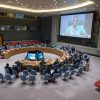
Humanitarian Aid is Stretched Following Surges in Violence in Sudan
After over two years of extended warfare in Sudan, humanitarian organizations have expressed fears of an imminent collapse as widespread hunger, displacement, and insecurity ravages the population. With tensions between the Rapid Support Forces (RSF) and the Sudanese Armed Forces (SAF) having reached a new peak in 2025, it is imperative that Sudanese communities in the most crisis-affected areas have unfettered access to life-saving aid.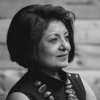
Press Freedom Is Being Buried but How Many Really Know or Care?
Pressures on the press are piling up. Like an avalanche gaining speed yet unnoticed by most people in the valley below, freedom of the press is being relentlessly trampled over - despite the valiant efforts of a few.
‘The International Response Should Follow the Principle of ‘Nothing about Us, Without Us’’
CIVICUS speaks with Ukrainian gender rights activist Maryna Rudenko about the gendered impacts of the war in Ukraine and the importance of including women in peacebuilding efforts. Russia’s full-scale invasion of Ukraine has profoundly impacted on women and girls. Many have been displaced and are struggling with poverty and unemployment. Those who’ve stayed endure daily missile attacks, damaged infrastructure, lack of basic services and sexual violence from Russian forces if they live in occupied territories. Women activists, caregivers and journalists are particularly vulnerable. The international community must increase support to ensure justice for victims and women’s inclusion in peace efforts.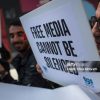
Trump’s First 100 Days Portend Long-Lasting Damage to Press Freedom
Press freedom is no longer a given in the United States 100 days into President Donald Trump’s second term as journalists and newsrooms face mounting pressures that threaten their ability to report freely and the public’s right to know.
US Cutbacks Lead to Growing Anxiety Among UN Staffers–& its Impact on Mental Health
The Trump administration’s on-again-off-again threats against the United Nations, and US withdrawals from several UN agencies aggravated further by financial cutbacks, have left most staffers with growing apprehension and uncertainty about their future--- and their mental health.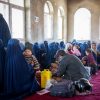
World Immunization Week Highlights the Urgency of Global Vaccine Access
For 2025, the theme of World Health Immunization Week (24-30 April), “Immunization for All is Humanly Possible”, emphasizes the need to eradicate disparities in access to vaccines, particularly for children. By encouraging governments to implement vaccination programs at the local and national levels, the World Health Organization (WHO) seeks t0 ensure worldwide access to life-saving vaccines.
Indispensable—Native Hawaiian Elder Says of Indigenous Ocean Management Systems
Indigenous people play a vital role in ocean protection due to their deep-rooted connection to the marine environment and their traditional knowledge of sustainable resource management. They often possess centuries-old practices and stewardship ethics that prioritize ecological balance and community well-being.
Sights Set on Highest Ambition as World Rows Through Toughest Ocean Crisis
Participants from over 100 countries will leave the 10th Our Ocean Conference in Busan, the Republic of Korea, with stark reminders that with sea levels rising dangerously, coastal regions and low-lying areas globally, particularly densely populated areas, are threatened.
Economic Community of West African States: Fifty and Fractured
Half a century after ECOWAS promised peace and prosperity, three breakaway states are testing West African solidarity, sparking a potential trade war.
Mexico Bans GM Corn Cultivation in Constitutional Reform: Action Follows Trade Ruling That Ignored Evidence of Genetic Contamination
On March 17, Mexican President Claudia Scheinbaum signed into law a constitutional reform banning the cultivation of genetically modified (GM) corn. The action followed a December ruling by a trade tribunal, under the U.S.-Mexico-Canada (USMCA) trade agreement, in favor of a U.S. complaint that Mexico's 2023 presidential decree, with broader restrictions on the consumption of GM corn, constituted an unfair trade practice by prohibiting the use of GM corn in tortillas.
Tanzania’s Women Miners Digging for Equality in a Male-Dominated Industry
Under the scorching Tanzanian sun, Neema Mushi wipes sweat from her dust-covered face and swings her pickaxe into the earth. The impact sends dust swirling into the air, coating her tattered clothes. She barely notices. For the past eight years, this has been her life—digging, sifting, sieving, and hoping to strike gold in the male-dominated pits of Geita. It is a grueling task riddled with obstacles.
Floods and Droughts are Two Sides of the Same Crisis
Water emergencies are deeply personal to us. Coming from Southeast Asia and southern Africa—two regions that struggle with water challenges—we have witnessed firsthand how water defines the fate of communities and nations.« Previous Page — Next Page »


Want to keep up with the latest news and views from the Global South? Sign up for IPS Daily News Report for daily emails with our top stories about international development, climate change, gender and more. (Formerly IPS TerraViva since 1993).

The Week with IPS

NEXT STOP - SDGs
Tracking global progress towards a sustainable world
Tracking global progress towards a sustainable world
