Languages
Friday, September 18, 2026



News and Views from the Global South
The Southern Africa Water Wire
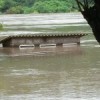
WATER-ZAMBIA: Worries Ahead of Flood Season
The Zambezi is home to the fishing community on Mbeta Island. But after the river rose and swallowed their homes last year, they have learned to fear it as well.AFRICA: Water Summit Ends
As the Second Africa Water Week ends, participants have reiterated that lack of access to clean water and adequate sanitation has a direct bearing on public health and the economy in Africa.WATER-AFRICA: Civil Society Demands Action, Not Words
"No more commitments... We have had enough of the promises. Can we please see something happening on the ground? Right now, it is business as usual and that’s why Africa is off-track on the MDG target."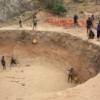
AFRICA: Taking the Lead on Water
Water is a resource that binds people together, for better or worse.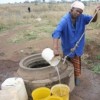
SWAZILAND: More Boreholes, No Water
In the drought-stricken area of Siteki, Tibuyile Maziya has been trying to fill up her four 20-litre buckets with water at a community for the last four hours. With a baby on her back and two more buckets to fill up, 19-year-old Maziya says she walks to this well at least three times a week to get water for her family of 15.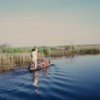
ZAMBIA : Fishing in Troubled Waters
In two decades of fishing on the Zambezi, Darius Wamulume has never seen anything like this. With deep ulcerations and tissue decay, the fish he has caught recently is too unsightly to sell and too suspect to eat.WATER-BOTSWANA: A Garden In the Heart of the Village
Look, there's no drama with the borehole in Mokobeng. And that's the way it should be.MOZAMBIQUE: Watching the Water Flow Away
Less than 100 kilometres from the second-largest dam in Africa, women walk with their babies strapped on their back, water pails balanced on their heads.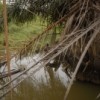
WATER-MOZAMBIQUE: Remote Villages Out of Sight, Out of Mind?
"This is where we get our water from," says a villager on the footpath leading out of Mcondece. Branches and other debris float on the surface of the sluggish, murky brown creek.SOUTH AFRICA: Addressing Water Wastage
How do you fix a leaking pipe?
WATER-ZIMBABWE : New Wells Protect Environment, Build Peace
Twenty years ago, Isaac Chidavaenzi would worry when his neighbours set up vegetable gardens on river banks, trying to get closer to water sources. The number of gardens on the rivers' banks has now decreased, but Chidavaenzi is even more worried.SOUTHERN AFRICA: Lack of Clean Groundwater a Health Threat
As the rainy season approaches, and sewage from pit latrines seep further into the Zimbabwe's groundwater, Irene Ngubeni will be at risk as the country faces another possible cholera outbreak.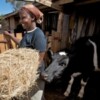
SOUTH AFRICA: We Have Land Rights but No Water Rights – Farmers
Thandi Sihadi stands next to a dry tap. As a maize and dairy farmer in one of South Africa’s driest districts, the lack of running water is nothing new to her.SOUTHERN AFRICA: Too Much Water and Not Enough to Drink
Mmankosana Letsoela has been queuing since 5am to collect water. You would think that arriving so early at the bore-hole water pump; she would be the first in line.
SANITATION-ZAMBIA: Back Policy With Funding
Water- and sanitation-related diseases cost communities dearly, particularly in rural Zambia.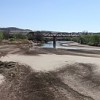
SOUTHERN AFRICA: Neglected Land Washing Away
Damage to wetlands high in Lesotho's Maluti mountains has impacts on the health of the whole of the Orange-Senqu river system.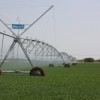
AGRICULTURE: Can South Africa Afford to Export Virtual Water?
Near the banks of the Orange River, farm manager Le Roux Viljoen sends off an SMS to a weather station and receives an almost instantaneous response telling him the temperature, wind direction and estimated evaporation index.SOUTH AFRICA: Less Water More Money
South Africans may have to start paying more for water if they do not manage their water resources efficiently.
SOUTHERN AFRICA: Orange River Wetlands Need a Lifetime to Recover
Much of the internationally-recognised wetland surrounding the Orange River mouth has lost its rich green colour. Situated close to long-standing diamond mining operations, the river's mouth has been treated with environmental disregard for decades.
SOUTHERN AFRICA: Journey of a Working River: the Orange-Senqu
In the steep valleys of Lesotho's Maluti mountains, women carry yellow plastic buckets of water across fields of dark-brown earth; a group of men form a human chain to pass rocks between them to build a small dam wall across a mountain stream; clothes are being washed in rivers; and men draped in blankets ride donkeys or horses along the roadside.
WATER-LESOTHO: Compensation Victory for Displaced Villagers
Taelo Motseki had every reason to wear a broad smile despite the afternoon chill. His family along with 21 others displaced by Phase 1B of the Lesotho Highlands Water Project at Ha Mohale had won a decade-long struggle seeking compensation.« Previous Page — Next Page »


The Southern Africa Water Wire provides in-depth coverage of a diverse range of water-related issues in Africa, linking water to economic development, social well-being and environmental protection. Local journalists from across the continent explore the challenges, failures and successes of managing this vital resource.


Like the Southern Africa Water Wire to receive the latest water news and information from IPS and other top news agencies, as well as agencies in the field
Follow @africawaterwire

