Languages
Thursday, September 24, 2026



News and Views from the Global South
Multimedia

Ecological Cookstoves Help Preserve El Salvador’s Coastal Mangroves
 A score of coastal communities in El Salvador are staking their bets on sustainable development as a form of life that does not overexploit natural resources diminished by years of government neglect and a lack of environmental awareness, using instruments ranging from ecological cookstoves to mangrove reforestation.
World Autism Awareness Day – 2 April 2021
Autism Spectrum Disorder is a complex condition that remains misunderstood.
The effects of ASD and the severity of symptoms vary so much between individuals.

„We will overcome it“: Experiences of the impact of COVID-19 in Suva, Fiji
This short video explores the experiences of COVID-19 in Fiji's capital, Suva, by University students. The participants reflect on the impact of the virus in the Pacific nation, where themes such as the emotional implications of COVID as well as its effects on the economy, food security, resilience and more are discussed.

After the Fire: Rebuilding of Rohingya Camp a Race Against Time Ahead of Monsoon Season
 The building that was once the largest health centre in the Kutupalong refugee camp, serving some 55,000 Rohingya refugees 24/7, is now a burnt, distorted shell after a massive fire spread through the Cox’s Bazar camp in Bangladesh this week.
And as the tens of thousands of affected Rohingya return to the empty pieces of land that where once their homes, the need to rebuild — both the health facility and their homes — has added impetus because of the current COVID-19 pandemic and the coming monsoon season.
The building that was once the largest health centre in the Kutupalong refugee camp, serving some 55,000 Rohingya refugees 24/7, is now a burnt, distorted shell after a massive fire spread through the Cox’s Bazar camp in Bangladesh this week.
And as the tens of thousands of affected Rohingya return to the empty pieces of land that where once their homes, the need to rebuild — both the health facility and their homes — has added impetus because of the current COVID-19 pandemic and the coming monsoon season. 
International Women’s Day 2021
Online Violence against Women Journalists Harms everyone. Let’s End It!
UNESCO will launch a campaign on online violence against women journalists this 8 March for International Women’s Day.

International Women’s Day 2021
“A girl should be two things: Who and what she wants.” – Coco Chanel
Women of the world want and deserve an equal future...a future that’s sustainable, peaceful, with equal rights and opportunities for all.

SACRED FUTURES – The NESFAS Story
Here is a glance at our journey as a non-profit organisation, like all successful endeavors strong relationships stem from time, effort and patience.

Valérie Allain – Women in Science (2021)
"Working in Science, like any other career, is fit for women too… Just go for it, nobody can stop you", Valérie Allain, Senior Fisheries Scientist at the Pacific Community (SPC).
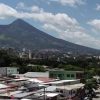
San Salvador Becomes a Sponge to Reduce Damage from Landslides
Throughout its history, San Salvador has faced the danger of landslides - mud and rocks that slide down the slopes of the volcano at whose feet the city was founded in 1525. 
Tales of the 21st Century: Rohingyas Without home
Mohammad Rakibul Hasan is a Bangladeshi documentary photographer, photojournalist, filmmaker and visual artist who has been visiting the camps in Cox’s Bazaar to document the Rohingya refugee crisis.
2020: The Year of COVID 19
At the end of this year, we must pay our respects to the nearly 1.5 million people who have died from the Coronavirus.
COVID 19 has inflicted extensive damage beyond human casualties, exposing the frailties of governments, societies, economies and health systems, particularly in those countries that chose to ignore the warnings and advice of the WHO.

Sustainable Measures Help Farmers Script a Positive Story Amid COVID-19 Uncertainty
As India continues to grapple with the COVID-19 pandemic and a growing number of deaths, farmers here have been fighting a battle of their own against volatile pricing, uncertain demand and lack of access to the market. But in the midst of all this uncertainty, one farming couple in a village near Hyderabad are working towards a food-secure future for themselves using eco-friendly farming techniques. 
Living with Drought: Lessons from Brazil’s Semiarid Region
No one died of hunger during the worst drought in Brazil's semiarid ecoregion, between 2011 and 2018, in sharp contrast to the past when scarce rainfall caused deaths, looting, a mass exodus to the South and bloody conflicts. 
WORLD FOOD DAY 2020
The COVID-19 pandemic is threatening the food security and nutrition of millions of people around the world.
More than 820 million people were classified as chronically food insecure before the virus hit.
Building Back Better: Education Cannot Wait
The United Nations General Assembly adopted Resolution 66/170 declaring October 11 as the International Day of the Girl Child, to recognize girls’ rights and the unique challenges girls face around the world.
Community Hydropower Dam Lights Up Salvadoran Villages
The people of Potrerillos, a village located in northeastern El Salvador, worked hard to achieve something that many doubted they could do: harness the waters of the Carolina River to install a community mini hydroelectric plant, which supplies them with cheap energy. 
Anne Larigauderie UN Biodiversity Summit #ForNature Video
On the eve of the United Nations Summit on Biodiversity, Dr. Anne Larigauderie calls on everyone to make ambitious commitments to protect #biodiversity and #nature. 
Message for Laureates and Leaders for Children
His Holiness the Dalai Lama’s message for "Fair Share for Children - Laureates and Leaders Summit 2020", held online September 9, 2020.

Nobel Laureate Kailash Satyarthi on Where to Find the $1 trillion Needed for Marginalised Children
Nobel Laureate Kailash Satyarthi says that $1 trillion can solve many of the problems the world's most marginalised communities are facing. 
The Invisibles: Inhumane Conditions of Italy’s Migrant Farmworkers
Over 200,000 migrant laborers, mostly from Africa, work in Italy’s fields. After being exploited for years, the coronavirus global pandemic made these workers “essential” overnight — but without labor rights or even access to basic sanitation, these farmworkers are living and working in conditions that have been described as modern slavery. Union leader Aboubakar Soumahoro has been documenting these inhumane conditions and is now helping the workers organize to demand real and lasting change.

A Historical SPC Tuna Tagging Cruise
The Pacific Community (SPC) 7-week research expedition to monitor the health of world’s largest tuna fishery has departed from Honolulu on Saturday 15 August 2020 despite the significant challenges presented by COVID-19. With most research and fisheries observer programmes currently suspended, the importance of this cruise cannot be overstated. Half of the world's tuna catch comes from the Western & Central Pacific, providing a critical source of protein and export revenue for Pacific Island Nations.
« Previous Page — Next Page »


The Week with IPS

NEXT STOP - SDGs
Tracking global progress towards a sustainable world
Tracking global progress towards a sustainable world
