Languages
Monday, October 12, 2026



News and Views from the Global South
Africa

A Salt Sermon That Could Kill: When Faith Leaders Preach Misinformation
In Nigeria, salt is deeply woven into the fabric of food and culture. It brings out flavor, preserves ingredients, and enhances tradition. But recently, salt has become the centerpiece of dangerous misinformation promoted by one of Nigeria’s most powerful spiritual leaders.
In Zimbabwe, Farmers Are Leading Scientific Research on Conservation Agriculture
Migren Matanga grew up shying away from small and traditional grains in Rushinga, in northern Zimbabwe. The 58-year-old mother of four from Toruzumba village relied on maize and cotton, one of the major cash crops in the area at the time.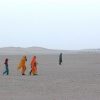
Underfunding Threatens Sahrawi Refugees in Algeria
Since the Western Sahara War in 1975, Sahrawi refugees have resided in a collection of refugee shelters in the Tindouf province of Algeria. For over 50 years, these communities have struggled to develop self-sufficiency and have been solely dependent on humanitarian aid for survival, marking one of the most protracted refugee crises in the world.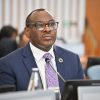
A Premium Is What Africa Pays for Poor Credit Perception
Many African countries are perceived as a credit and investment risk. As a result, they are paying higher borrowing costs than developed countries. African countries often fail to attract international investment and finance as a result of poor credit ratings by international agencies. Only Botswana and Mauritius, out of the 55 African countries, receive an investment grade rating. Lenders view the rest as having 'junk' status, indicating a high risk of loan default. As a result, lenders will demand a higher interest rate to compensate for the perceived increased risk of the borrower.
Humanitarian Aid is Stretched Following Surges in Violence in Sudan
After over two years of extended warfare in Sudan, humanitarian organizations have expressed fears of an imminent collapse as widespread hunger, displacement, and insecurity ravages the population. With tensions between the Rapid Support Forces (RSF) and the Sudanese Armed Forces (SAF) having reached a new peak in 2025, it is imperative that Sudanese communities in the most crisis-affected areas have unfettered access to life-saving aid.
Sights Set on Highest Ambition as World Rows Through Toughest Ocean Crisis
Participants from over 100 countries will leave the 10th Our Ocean Conference in Busan, the Republic of Korea, with stark reminders that with sea levels rising dangerously, coastal regions and low-lying areas globally, particularly densely populated areas, are threatened.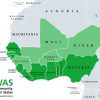
Economic Community of West African States: Fifty and Fractured
Half a century after ECOWAS promised peace and prosperity, three breakaway states are testing West African solidarity, sparking a potential trade war.
Tanzania’s Women Miners Digging for Equality in a Male-Dominated Industry
Under the scorching Tanzanian sun, Neema Mushi wipes sweat from her dust-covered face and swings her pickaxe into the earth. The impact sends dust swirling into the air, coating her tattered clothes. She barely notices. For the past eight years, this has been her life—digging, sifting, sieving, and hoping to strike gold in the male-dominated pits of Geita. It is a grueling task riddled with obstacles.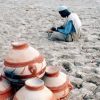
Floods and Droughts are Two Sides of the Same Crisis
Water emergencies are deeply personal to us. Coming from Southeast Asia and southern Africa—two regions that struggle with water challenges—we have witnessed firsthand how water defines the fate of communities and nations.
A Nation Bleeds While the World Watches: The Tragedy in Sudan Must End
The ongoing civil war in Sudan is tragic, but the greater tragedy is that if the international community sits on its hands and does nothing to stop this horrific war and prevent further escalation of the conflict, it will come at an unfathomable price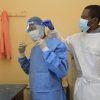
African Countries Still Underfunding Health by as Much as 50 Percent
The majority of African countries are yet to commit 15 percent of their GDP to funding the health sector, despite the growing disease burden weighing down the continent and two decades after the coming into force of the Abuja declaration on health sector funding.
How Science Solutions Are Saving Africa’s Livestock and Livelihoods
Livestock are a lifeline for millions of farmers in Africa as a source of food and wealth. But devastating diseases are threatening the health and productivity of their animals. Now scientists at the International Livestock Research Institute (ILRI) have unleashed a toolbox of science solutions by outsmarting the parasites and pathogens that cost millions of dollars in livestock losses across Africa. The toolbox includes everything from vaccines that protect livestock from ‘cattle malaria’ to genetics to breed animals tolerant to East Coast fever.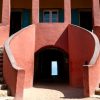
Slave Trade: Gorée Island and the ‘Fragility of Freedom’
Gorée Island, off the coast of Dakar, is a somber reminder of the transatlantic slave trade. Listed as a UNESCO World Heritage Site, it embodies both the duty to remember and the challenges of passing on a painful past.
Hooves Vs. Habitats: Striking a Sustainable Balance Between Livestock and the Environment Is Crucial to Africa’s Future
In my country, Senegal, almost 70 percent of our land is used to graze livestock. Here and across Africa, pastoralists and livestock keepers sustain herding systems which are closely bound up with our landscapes and crucial to nationwide food security, economic growth, and ecological balance.
Smallholder Farmers Are Not ‘Beneficiaries’, but the ‘Co-Creators of Change’
Eliud Rugut comes from generations of farmers, yet his family expected him to move out of their home and pursue another career.
CGIAR Gender Accelerator: A Tool to Advance Gender Equality Research in Agri-Food Systems
To advance the participation of women, the youth, and minority communities in the agricultural sector, measures must be taken to recognize and break down the barriers that hold them back. Experts in the agricultural sector agree that even as they constitute a significant percentage of the agricultural workforce, women face persistent challenges. The picture that emerges is a lack of due recognition of their presence and their challenges, such as limited access to resources and knowledge.
Want To Fix the World, Ubuntu (Humanity to Others) Can Help
The world needs an urgent fix and humanity could just be it.
Reflections on CGIAR’s Week-Long Discussions on Food System Science
More than 13,600 participants from around the world registered for the inaugural CGIAR Science Week at the UN Complex, Nairobi, April 7-12, 2025. Dr. Ismahane Elouafi, the organization’s Executive Managing Director, said, “This is a testament that people are thirsty for science and for good news.”
How to Put the ‘Sexy’ Back into Agriculture – Thoughts From CGIAR Science Week
This week presented a beacon of hope for young people so that the “girl from the South and the boy, of course” could stay in the developing world, Dr Ismahane Elouafi, Executive Managing Director of CGIAR, said during a press conference on the final day of the CGIAR Science Week.
Ceasefire Collapse and Regime Controls Hamper Myanmar Quake Relief
Two weeks after a devastating earthquake hit central Myanmar, the military junta is directing flows of international aid to urban centres it controls while bombing civilians in areas held by resistance forces, breaking a ceasefire.
Insight to Impact: CGIAR Inaugural Flagship Report for Decision Makers Navigating Food System Science
"To have impact, it was crucial to understand what impact was wanted," CGIAR's Executive Managing Director Dr. Ismahane Elouafi said at the launch of the organization's flagship report, Insight to Impact: A decision-maker’s guide to navigating food system science.« Previous Page — Next Page » *#*

The Week with IPS

NEXT STOP - SDGs
Tracking global progress towards a sustainable world
Tracking global progress towards a sustainable world
