Languages
Thursday, October 1, 2026



News and Views from the Global South
Africa
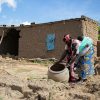
Armed Violence and Floods Aggravate Humanitarian Crisis in Chad
Chad is currently in the midst of a dire humanitarian crisis due to persisting armed conflict, mass displacement, widespread hunger, natural disasters, and an overall lack of essential services. Due to security challenges from the Boko Haram militant group, millions of Chadians have faced decreased mobility as well as human rights violations including imprisonment, beatings, kidnappings, and killings.
Africa’s Most Important Election is Underway
Africa has had a terrible record dealing with extreme poverty. The late Adebayo Adedeji, the legendary head of the United Nations Economic Commission for Africa (ECA), campaigned vigorously but unsuccessfully in the 1980s against the IMF and World Bank-imposed structural adjustment programmes, contending that these contributed to poverty’s increase.
COP16 Delivers on Indigenous Peoples, Digital Sequencing, But Fails on Finance
The curtains fell on the 16th Conference of the Parties of UN Biodiversity (COP16) on Sunday without any formal closing. In a voice message, David Ainsworth, the Communications Director of the UNCBD, confirmed that the COP was suspended due to a lack of quorum in the plenary and would be resumed sometime later. However, before being suspended, the parties managed to adopt a historic decision to open the door for Indigenous Peoples (IPS) and local communities (LCs) to influence the global plan to halt the destruction of biodiversity.
Transforming Africa with the Power of Education
Africa has the youngest population in the world today. Around 40% of the population is 15 or younger. They have a non-negotiable right to an inclusive and continued quality education, just like young people everywhere across the globe.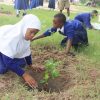
Tanzanian Students Drive Climate Action Through Tree Planting
At Gabimori primary school, located at Nyamagaro ward in Tanzania’s northern Rorya district, a 15-year-old Florence Sadiki kneels among polyethylene bags, carefully examining the seedlings she and her classmates have nurtured from tiny sprouts “We’ve planted many trees to make our school look better and to help fight climate change,” she says.
A Triple Planetary Crisis Scarring Africa’s Landscapes
Some of the creeping impacts of this triple crisis are possibly the most debilitating: Africa is the most severely impacted region by desertification and land degradation, with approximately 45% of its land area affected. In the Horn of Africa and the Sahel alone, it imposes food shortages on more than 23 million people. Just last month, more than 700,000 people were affected by floods in Central and West Africa, and tens of millions in southern Africa are facing drought.
Chickens as Well as Cheetahs: Biodiversity Conservation Must Also Include Livestock
As the UN’s COP16 biodiversity conference continues, the temptation is to focus on the wild flora and fauna under threat. But there is another, less obvious yet just as critical biodiversity crisis unfolding around the world that also deserves attention.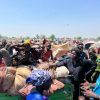
Sudanese Civil War Exacerbates Economies in Neighbouring Countries
Critical levels of nationwide hunger in Sudan has only increased to critical levels since the start of the Sudanese civil war in April 2023. Escalated hostilities between the Sudanese Armed Forces (SAF) and the Rapid Support Forces (RSF) have led to limited mobility and repeated blockages of humanitarian aid. This, coupled with the volatile floods and droughts, have decimated crop fields which has only exacerbated famine levels greatly. All of these factors have left nearly 25 million people in Sudan in need of humanitarian assistance in 2024.
Egyptian Parliament Moves to Strengthen Support for People with Disabilities and the Elderly
In a significant move to address the challenges faced by people with disabilities and the elderly, six Egyptian parliamentary committees met in Cairo on October 12 to discuss national strategies and legislative efforts.
Meet the Young Women Arrested for Fighting Corruption in Uganda
Until recently, Margaret Natabi would never have dreamed of taking her anti-corruption fight on the streets of Uganda’s capital, Kampala.
Russia-Africa: Developing Media Partnership
At a recent media briefing, Maria Zakharova, the spokesperson for Russia's Foreign Ministry, criticized the United States for its support of educational programs, media and NGOs in Africa. Zakharova argued that these efforts are part of a broader attempt by the U.S. to impose Western values and governance models on sovereign African states, framing it as a form of neo-colonialism.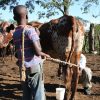
Capacity Building Is Key to Africa’s Digital Sequencing Success Story
Christian Tiambo has always wished to uplift local farmers’ communities through cutting-edge science. As climate change wreaked havoc on local agriculture, Tiambo, a livestock scientist at the Centre for Tropical Livestock Genetics and Health (CTLGH) and at the International Livestock Research Institute (ILRI), focused on conserving and developing livestock that could withstand environmental stress.
A Glimpse into Tanzania’s Political Turmoil Ahead of 2025 Election
At a rally to mark International Youth Day on August 12 in Tanzania’s southern Mbeya region, John Mnyika stood with a determined expression, addressing his supporters. The air was charged with anticipation. Mnyika, the Secretary-General of Tanzania’s opposition party, Chadema, was preparing to speak about the upcoming elections when the chaos erupted. Without warning, heavily armed police officers stormed the event, grabbed Mnyika, and dragged him away.
Kenya’s Mung Bean Legislation Debate Underscores Farmers’ Vulnerability
Kenyan farmers have faced a turbulent year, caught between legislative changes and a devastating scandal. While the country's Mung Bean Bill, aiming to regulate the lucrative mung bean industry, has moved to mediation, farmers are battling the fallout from the widespread distribution of counterfeit fertilizers that have jeopardized their crop yields and livelihoods.
Localization in Zimbabwe: A Critical Look at the Grand Bargain and Charter for Change
Localization has become a buzzword in international development, aiming to shift power and resources closer to the communities directly impacted by crises.
In Zimbabwe’s Rural Areas, Bicycles Keep Girls in School
Rejoice Muzamani is studying in preparation for her next paper during the end-of-term examinations at Mwenje Primary School in Chiredzi, southeast Zimbabwe. The 13-year-old girl, who is in Grade 7 or final year of primary school, is not worried about leaving school early to make the 7-kilometer journey back home before dusk, risking attacks from wild animals.
Why Africa Should Embrace Territorial Markets to Withstand Climate Shocks and Crises
African policymakers, local leaders and the private sector have been asked to create an enabling environment that will help African traders and farmer folks build reliable systems for food security and resilience through territorial markets. During a week-long 2024 Africa Agroecological Entrepreneurship and Seed Festival in Harare, Zimbabwe, experts observed that persistent crises have shown the importance of resilient close-to-home ‘territorial’ markets that feed billions of people every day—from public markets and street vendors to cooperatives, from urban agriculture to online direct sales, and from food hubs to community kitchens.
It’s Time for Rich Polluters to Pay for the Climate Crisis They Created
The world is standing at a critical juncture. Climate change is not just a future threat—it’s here, and it’s already devastating lives. From record-breaking heat waves to floods and landslides, the planet is sending us clear signals that we cannot afford to ignore.
Easing Africa’s Debt Burdens: a Fresh Approach, Based on an Old Idea
The statistics are stark: 54 governments, of which 25 are African, are spending at least 10% of their revenues on servicing their debts; 48 countries, home to 3.3 billion people, are spending more on debt service than on health or education.
Dying for a Cause: Environmental Defenders in the Firing Line
In 2017, South African activist Nonhle Mbuthuma took a stand against the powerful oil giant Shell, halting their plans to explore the pristine Wild Coast. Despite facing death threats, she refused to back down. As a co-founder of the Amadiba Crisis Committee and a 2024 Goldman Prize winner, Mbuthuma continues to fight for her community’s rights and the environment. Her bravery reflects the countless risks land and environmental defenders face across the globe.
Flooding and Armed Conflict Aggravates Sudan’s Cholera Epidemic
Sudan has been plunged into a deadly cholera outbreak in the midst of the Sudanese Civil War. Sudan is currently home to an approximate 15 million people, many of which have had to bear the brunt of hostilities between warring parties, widespread food insecurity, mass displacement, and extreme weather anomalies. Flooding, in particular, has been very damaging, leading to the collapse of critical infrastructures that ensure sanitation. This has caused the cholera outbreak to become a national concern.« Previous Page — Next Page » *#*

The Week with IPS

NEXT STOP - SDGs
Tracking global progress towards a sustainable world
Tracking global progress towards a sustainable world
