Languages
Sunday, November 22, 2026



News and Views from the Global South
Africa
Rising Threats to Minorities in Sudan, Russia, Philippines
The growing threats against minorities and ethnic groups - who are vulnerable to mass killings and genocides - have significantly increased in three countries: Sudan, Russia and the Philippines.North Africa Finally Sees the Light
Europe's appetite for renewable energy and a shifting tide in domestic energy policies could turn North Africa into major exporter of solar power by the end of the decade.ENERGY: Eskom Loan “Will Help” South Africa’s Poor Neighbours
The 3.75 billion dollar World Bank loan for a new coal-fired power station in South Africa is essential for economic growth in neighbouring low income countries, according to Dr Mohamed Abdelrahman, energy advisor for the New Partnership for Africa's Development (NEPAD), a programme of the African Union.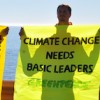
CLIMATE CHANGE: No Deal in Sight, Say Leading Economies of the South
Environment ministers from Brazil, South Africa, India and China are sceptical that a legally-binding agreement on climate change will be reached in Cancun, Mexico in December.HEALTH-DR CONGO: Coming Together to Fight Malaria
Eight faith-based organisations have set up a pilot project in the Democratic Republic of Congo to support the fight against malaria.
Q&A: The State of HIV Prevention Vaccines
An HIV vaccine is possible if the world works together as a global community with the objective of finding one, but it will take some years to develop.
TRADE: SACU Reaches 100th Year Despite Recent Divisions
Leaders rallied behind the Southern African Customs Union (SACU) at its 100th birthday bash on Apr 22, adamant that it remains the region’s best shot at economic sovereignty. Details on how to accomplish this, however, remain sketchy.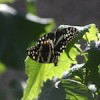
KENYA: Farming Butterflies Puts Food on the Table
For 10 years, Roselyne Shikami, sold boiled eggs at the bus station just outside the densely wooded Kakamega Forest in western Kenya, near the border with Uganda. Now she is selling butterflies.
SOUTH AFRICA: Children Help to Assess Water Health
Miss, Miss, there are tiny creatures here in the water!" a Grade 7 pupil shouts excitedly, trying to draw attention to his water sample. At first, the liquid looks clear, but upon closer examination, one can make out a tiny aquatic invertebrate.
NIGERIA: New Law to Promote Locals in Oil Industry
"This bill seeks to address the compelling need for us as a nation to have indigenous participation in the industry." With these words, Nigeria’s acting President, Goodluck Jonathan, signed the Nigerian Oil and Gas Industry Content Development Bill into law.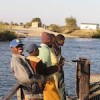
SOUTHERN AFRICA: Sharing the Okavango
Each January, a giant pulse of water from heavy summer rains over the south of Angola enters the Okavango River system and begins a five-month journey through Namibia to a richly biodiverse swamp in Botswana's Kalahari desert. The river is a rarity, scarcely disturbed by human development along its 1,100 kilometre length: shaping its future is the delicate task of the Okavango River Basin Commission.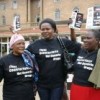
RIGHTS-KENYA: Court Victory Against “Anti-Counterfeit” Agenda
The Constitutional Court in Kenya has barred the government from implementing the Anti-Counterfeit Act of 2008 as it applies to generic medicines until a verdict is delivered in a case filed by three people living with HIV.
MALI: Rush For Land Along the Niger
Domestic and international investors are taking over increasing amounts of arable land in Mali.MOZAMBIQUE: Co-existing With Floods
April signals the tail end of the flood season in Mozambique. The country's water managers will soon be able to appraise the effects of changing policies.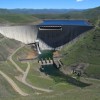
WATER-LESOTHO: Getting Community Consultation Right
The Lesotho Highlands Water Project will move into its second phase in 2010. The first phase has been praised as a shining example of transboundary water sharing in Africa, but community dissatisfaction may mean a rough ride for its extension.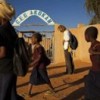
NIGER: Lack of Data on Causes of Death Buffers French Company
French state-owned company Areva continues to deny any wrongdoing after findings that populated areas in Niger remain contaminated with high levels of radio-activity. The company seems to be escaping censure partly because of lack of data on cancer-related causes of death among Nigeriens working at or living near the uranium mines.
EAST AFRICA: Green Agriculture Growing in Leaps and Bounds
Organic agriculture using natural farming methods rather than fertilisers and pesticides has made significant gains in African countries – not just among farmers but among consumers too.
SOUTHERN AFRICA: Benefits of Working Together on Water
The river basin organisation people are gathered in Botswana again: the theme this year is "benefit-sharing", an approach to allocating water that, it is promised, will accomplish nothing less than to make more water.MOZAMBIQUE: Weather Service Key to Flood Disaster Management
Mozambique's government learned some tough lessons from the devastating floods that hit the country a decade ago. Experts say the disaster management plans drawn up since are a model for other African countries.
Activists Dismayed at U.S. Reaction to Sudan Polls
Activist groups called here Tuesday for the administration of President Barack Obama to hold the Sudanese government accountable for what the White House itself called "serious irregularities" in carrying out the past week's elections.UGANDA: Fresh Concerns About Women in Captivity
The fate of thousands of women and girls held as sex slaves and child soldiers by Uganda’s Lords Resistance Army rebels hangs in the balance.« Previous Page — Next Page » *#*

The Week with IPS

NEXT STOP - SDGs
Tracking global progress towards a sustainable world
Tracking global progress towards a sustainable world
