Languages
Wednesday, October 7, 2026



News and Views from the Global South
Africa

Zimbabwe Needs Awareness, Advanced Tech to Beat Cancer
Earlier this year, then 46-year-old Lydia Musundiwa, based in the Zimbabwean capital Harare, was diagnosed with colon cancer, which, already at an advanced stage, killed her in less than two months. Now, Landeni, her 49-year-old widower, has to contend with the burden of looking after their three children single-handedly.
Building Tomorrow Today
Around the world, young people are driving change to ensure our youngest learners get the best start in life. In rural Kenya, Aisha, a young female entrepreneur trained through a UNICEF-supported programme, has started her own Early Childhood Education (ECE) centre. This centre provides quality early learning to over 50 children and creates jobs for other young women as teachers and support staff.
Eswatini: Jailing of Politicians the Latest Act of Repression
Two politicians have just been sentenced to long prison terms in Eswatini. Their crime? Calling for democracy. Mthandeni Dube and Bacede Mabuza, both members of parliament (MP) at the time, were arrested in July 2021 for taking part in a wave of pro-democracy protests that swept the southern African country. A third MP, Mduduzi Simelane, remains subject to an arrest warrant after going into hiding.
World Hepatitis Day: Celebrating Progress and Confronting Persistent Challenges
July 28th is World Hepatitis Day, created to celebrate the life and work of Nobel Prize Winner Dr. Baruch Samuel Blumberg. Blumberg’s work contributed to the discovery of hepatitis B, and the development of a vaccine that could prevent infection with this infectious viral disease. These discoveries revolutionized the public health response in preventing the liver cancer that hepatitis B causes.
Navigating Mental Health Challenges in West Africa
Prior to the COVID-19 pandemic, approximately 116 million people in the African region were living with mental health conditions. A large proportion of mental disorders is caused by depression and anxiety, and these conditions take a significant toll on health and wellbeing of people aged 15 to 59 years who are most affected.
How African Governments Can Lead the Way on Ending Child Marriage
Thandi*, a 14-year-old girl from Malawi, is both a child and a mother. After she and her siblings were orphaned, they were left in the care of their grandmother, who struggled to provide for them.
African Diaspora To Drive Continent’s Development Ambitions
As the African diaspora continues its growth, agencies are seeking ways to tap into this vast demographic to help with the continent's development. Remittances from millions of Africans scattered across the globe have been hailed for sustaining local economies, but a new initiative is aiming to form upscale diaspora investments for longer-term economic development.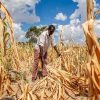
Southern African Drought: Extreme Hardship, Hopefully Only in the Short Term
Heading into the traditional dry period of winter in southern Africa, there was significant consternation due to the drastically below average rainfall the region has been experiencing since January 2024.
Kenya’s Protests: More than a Question of Tax
Kenya’s President William Ruto has withdrawn the tax-increasing Finance Bill that sparked mass protests. He has sacked his cabinet and the head of the police has resigned. But the anger many feel hasn’t gone away, and protests continue. The protests have brought Kenya’s Gen Z onto the political stage, with young people – over 65 per cent of the population – at the forefront. Since the protests began, they’ve made full use of social media to share views, explain the impact of proposed changes, organise protests and raise funds to help those injured or arrested.
Can Scientific Freedom Deliver Development for Africa?
Scientific research has led to social and economic gains worldwide, but the scientists who make it happen face significant challenges.
How Access to US Market Changed Fortunes of two South African Sisters
What started as a pastime desire to sell crafts at local markets, deeply rooted in the South African culture, has since blossomed to become an international business entity for two local women.
How Climate-Smart Strategies Revitalized Tanzania’s Livestock Sector
As the sun sets, its golden hues piece through the dusty haze, creating a dazzling display when a herd of livestock lazily roams on the arid landscape as they return home from grazing. Dressed in shiny red robes, the youthful Maasai pastoralists routinely whistle as they steer cattle, goats and sheep to maintain a unified path.
Decongesting Nigeria’s Prisons: All-Female Lawyers Take the Lead
Nyeche Uche, aged 60, got arrested by Nigeria's cybercrime fighter, the Economic and Financial Crimes Commission, for stealing. He spent 13 years and eight months in prison while awaiting trial. It took a church who went for prison outreach to refer his case to a legal firm for a pro-bono service over his case in March 2022.
From Trauma to Triumph: Kenyan Women’s Courageous Battle Against Female Genital Mutilation
In the heart of Empash village, a fragmented community nestled in Suswa, Narok County, some 62 miles northwest of Nairobi, Naomy Kolian's story unfolds like a gripping saga of pain, resilience, and unyielding determination. It was here, amidst the familiar surroundings of her home, that she was subjected to female genital mutilation (FGM), a brutal tradition that left her with physical and emotional scars. This hidden trauma would linger, haunting her well into adulthood.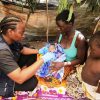
Women & Girls Find their Sexual & Reproductive Health on the Frontlines of a Battle they Didn’t Start
Droughts, cyclones, floods and extreme temperatures – these are the ‘new abnormal’ of a world in which weather-related events are becoming increasingly prolonged, intense and frequent.
New Child Marriages, Cohabitation With a Child Law in Sierra Leone Lauded
“A person shall not contract marriage with a child,” Sierra Leone’s landmark Prohibition of Child Marriage Act 2024 says, outlawing, in no uncertain terms, child marriage, giving consent to and attempted child marriage, officiating, attending and promoting child marriage, and use of force or ill-treatment of a child.
Namibia: LGBTQI+ Rights Victory amid Regression
In June, the Namibian High Court struck down two sections of the country’s Sexual Offences Act that criminalised consensual sexual relations between men, finding them unconstitutional. While hardly anyone has been convicted for decades, the fact that their relationships were criminalised forced gay men to live in fear, perpetuated stigma and denied them recognition as rights holders, enabling discrimination, harassment and abuse.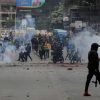
The IMF is Failing Countries like Kenya: Why and What can be Done About it?
The recent Kenyan protests are a warning that the International Monetary Fund (IMF) is failing. The public does not think it is helping its member countries manage their economic and financial problems, which are being exacerbated by a rapidly changing global political economy.
Kenya’s Cash-Strapped, Ambitious Climate Change Goals
Climate-related disasters have battered Kenya for years. Five failed rainy seasons resulted in a drought, the worst in 40 years, affecting at least 4,5 million people who require food assistance. Then came months of heavy rain, which led to riverine and flash flooding that impacted more than 306,520 (61,304 families) between March 1 and June 18, 2024, with an estimated 315 people killed, 188 injured, and 38 missing, while more than 293,200 people (about 58,641 families) were displaced, according to Reliefweb and Kenya’s National Disaster Operations Centre (NDOC).
Investing in Teachers, School Leaders Key in Keeping Girls in School UN-African Union Study Finds
Investing in teachers and school leaders in Africa is the most important factor in promoting educational opportunities for girls, keeping them in school and ending child marriage, ultimately reducing gender inequality through education.
UNICEF Director of Global Communication and Advocacy Naysán Sahba visits Zambia

In Zambia, over 6.5 million people need humanitarian assistance because of the drought. 3.5 million of them are children.
« Previous Page — Next Page » *#*

The Week with IPS

NEXT STOP - SDGs
Tracking global progress towards a sustainable world
Tracking global progress towards a sustainable world
