Languages
Thursday, October 8, 2026



News and Views from the Global South
Africa

UNICEF Director of Global Communication and Advocacy Naysán Sahba visits Zambia

In Zambia, over 6.5 million people need humanitarian assistance because of the drought. 3.5 million of them are children.

Youth-Led Protests Force Kenyan President’s Hand Over Tax Bill
In a historic first, Kenya's youth have mobilized in large-scale protests to demand that the political establishment listen to them. The Finance Bill 2024, which proposed new taxes across several sectors, was the catalyst for the protests, igniting outrage among a youth demographic that feels betrayed by decades of political promises. These protests, driven by economic and social grievances, escalated dramatically, culminating in clashes with police that led to numerous deaths and widespread unrest.
The World Bank Must Double Its Fund for the Poorest Nations like Mine to Tackle Hunger Crisis
After El Niño-induced floods and devastating drought, roughly two in five people in Malawi – a country of some 20 million people – are now facing the looming prospect of acute hunger by the end of the year.
Free Speech Under Siege—across West Africa
Authoritarian overreach is re-defining itself across West Africa, fuelled by armed conflicts, military coups, and electoral manipulation and violence, as the region experiences a decline in democracy.
Climate Change, Ethnicity and Neglect Fuel Violence in Nigeria’s Kaduna State
Lami Kwasu, a farmer in the village of Kafanchan in Kaduna State, north-central Nigeria, was at home one evening in October 2020 when the sound of sporadic gunshots filled the air. Gunmen, suspected to be Fulani nomadic herders, had surrounded the village, shooting from different angles.
Transforming African Food Systems from the Ground Up
All news is local, they say. The same is true of innovations—those many new technologies, policies, and practices that steadily stream from research to enhance our lives.
African Activists Call on the West to Finance Climate Action
As the technical session of the global climate negotiations enters the final stretch in Bonn, Germany, climate activists from Africa have expressed fears that negotiators from the developed world are dragging their feet in a way to avoid paying their fair share to tackle the climate crisis. “I think we will be unfair to the snail if we say that the Bonn talks have all along moved at a snail pace,” quipped Mohammed Adow, the Director, Power Shift Africa.
Turning the Tide: Health Community Turns to UNFCCC for Inclusivity
There is a rapid realization that climate change is impacting health, which is why the recently adopted World Health Organization's Climate Change and Health Resolution is considered pivotal.
Climate Finance: The Planet is Speaking, Listen and Respond with Justice
As the planet groans under record-breaking temperatures and extreme weather events, Africa, which is responsible for only two to three percent of global emissions, stands out disproportionately as the most vulnerable region in the world. António Guterres, the United Nations Secretary-General’s special address on climate action titled ‘A Moment of Truth’ said 2024 was the hottest May in recorded history, and that this marks twelve straight months of the hottest months ever. For the past year, every turn of the calendar has turned up the heat.
Are We Equipping Women or Merely Filling the Gender Gap?
In the expansive field of groundwater resource management, a pressing question often emerges: are we truly equipping women with the necessary tools and opportunities to thrive, or are we simply attempting to fill in the gender gap without tackling the root causes?
Quiet Revolution Underway as IFAD’s Innovative Solutions Rise to Global Rural Challenges
Technology and innovation are at the center of the International Fund for Agricultural Development’s strategy to fulfill its global mission to eradicate poverty and hunger in the developing world, IFAD’s President Alvaro Lario told IPS in an exclusive interview.
Bringing Drought and Floods, El Niño Hits the Most Fragile in Southern Africa
Kaponde Likando does not know how his family will survive until the next farming season. “We are not going to have anything (to harvest),” said the 60-year-old from Chingobe village in southern Zambia after his maize, sorghum, groundnut and sweet potato crops failed. “This has been the very opposite of what we expected.”
Unregulated Autonomous Weapons Systems Pose Risk to Africa
UN Secretary-General António Guterres has called on countries to conclude by 2026 negotiations on a legally binding instrument to prohibit Autonomous Weapons Systems (AWS).
Chad: Dictatorship Continues by Other Means
On 6 May, people went to the polls in Chad, ostensibly to elect a president who’d usher in democratic civilian rule. Ten days later, the Constitutional Council confirmed there’d be no change: the elected president was the leader of the military-backed transitional government supposedly handing over power, Mahamat Idriss Déby.
Maggot Farming Creates Entrepreneurs, Saves Farming Costs in Zimbabwe
Three years ago, 43-year-old Benard Munondo was an "ordinary" Zimbabwean teacher at a local primary school, but now he has turned maggots into gold. Thanks to maggot farming, Munondo, who has never owned a home nor driven a car, now has both. In 2020, a week’s training on maggot farming changed his world.
Reclaiming the Narrative in African Philanthropy: A Community-Based Organization’s Perspective
In recent years, the African philanthropy landscape has been undergoing a profound transformation. Or has it? Historically, the narrative of aid and development in Africa has been dominated by external donors and International Non-governmental Organisations (NGOs).
Malawi Moves To Regulate Carbon Trading Amid Transparency Concerns in Global Market
Malawi is increasingly pitching carbon trading as a source of revenue it needs to bolster the economy, which is suffering from foreign exchange shortages caused by a large trade imbalance and being buffeted by several shocks, including the climate crisis.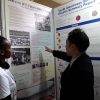
Lessons From Youth-Focused ‘Future Action Festival’ Ahead of UN Summit of the Future
The world has crossed the halfway point to the end of the Sustainable Development Goals (SDGs) era amid multiple, unprecedented, and significantly destructive global shocks. Two of the most pressing global challenges are the climate crisis and the threat of nuclear armament. Of serious concern is a severe lack of youth engagement on issues of critical global importance. Speaking to IPS during the 2024 UN Civil Society Conference, the outcome of which will inform high-level discussions when the UN hosts hundreds of world leaders, policymakers, experts, and advocates in September at the Summit of the Future in New York, Tadashi Nagai stressed the importance of coalition and movement building and youth engagement to escalate progress towards attainment of the SDGs.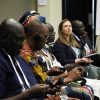
Democracy, Civic Space and Fundamental Freedoms Are under Attack, but Civil Society Is Here to Stay
During the Forus network’s General Assembly which took place in Gaborone, Botswana, civil society organisations from across 65 countries highlighted the challenges facing them globally in an increasingly polarised and crisis-hit world.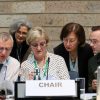
Biodiversity Meet Suggests New Guidelines on Synthetic Biology Amid Persisting Questions
After a week-long discussion by delegates from 196 countries, the 26th meeting of the Subsidiary Body of Scientific, Technical, and Technological Advisors (SBSTTA) of UN Biodiversity has concluded with a set of recommendations on several issues, including living modified organisms (LMOs) and synthetic biology. All nations must consider the recommendations, discuss them, and possibly adopt them at the Biodiversity COP in October. However, many questions remain unanswered and unclear.
Rising Temperatures Drive Human-Wildlife Conflict in Zimbabwe
Rising temperatures are being blamed for an increase in human-wildlife conflicts in Zimbabwe as animals such as snakes leave their natural habitat earlier than usual.« Previous Page — Next Page » *#*

The Week with IPS

NEXT STOP - SDGs
Tracking global progress towards a sustainable world
Tracking global progress towards a sustainable world
