Languages
Thursday, October 1, 2026



News and Views from the Global South
Asia-Pacific
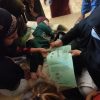
Afghan Refugees Fear Return as Pakistan Cracks Down on Migrants
“If I return to Afghanistan, the Taliban will kill me; I’m prepared to stay in a prison in Karachi than face those ruthless people,” said 24-year-old Afghan refugee, Sabrina Zalmai*, referring to the recent crackdown on hundreds of Afghans residing without proper documents in the metropolis, who are being arrested and then deported back to Afghanistan.
Korean Jazz Singer Youn Sun Nah Talks Art and Soul
When the parents of Korean jazz singer Youn Sun Nah realized that the COVID-19 pandemic had begun, they called and urged her to return to Seoul from New York, where she was based at the time.
Rahul Gandhi’s Long Walk Hailed, But Only Polls Will Determine Its Success
When countless supporters of the Indian National Congress, the main opposition party, arrive in Srinagar on January 30 to hoist the Indian flag, they would have walked 3,570 kilometres over 150 days.
Malaysia’s TVET Ecosystem in Need of All-of-Society Engagement
Technical and Vocational Education and Training (TVET) in Malaysia originated from the colonial and early post-colonial governments’ need for trained and skilled manpower to run state agencies and projects.
How Innovative Farming Rescues Crises-Stricken Farmers in This Indian Village
The South Indian State of Karnataka has been reeling for the past three years—the late arrival of monsoons, the surging temperatures, and drastic changes in the weather patterns are putting the state’s farmers in dire straits.
The Climate Conversations
 Climate change is a global problem that requires a global solution. However, negotiating a solution has been challenging due to several factors. One of the main reasons that recent COP Climate summits and other international climate talks have not been able to resolve climate change is that there is a lack of consensus among countries on how to address the issue. Developed countries, which have historically been the largest emitters of greenhouse gases, are often unwilling to take on significant emissions reductions or to provide financial assistance to developing countries to help them adapt to the effects of climate change.

Pakistan’s 10 Billion Dollar Flood Funding Question
Terming the recent international donors’ conference held in Geneva a “success” after Pakistan was able to secure 10 billion US dollars, Prime Minister Shehbaz Sharif has promised “every penny” of the pledges will be used towards rehabilitation of flood-hit people.
NATO’s Opportunity in the Indo-Pacific
Given the tensions in the Indo-Pacific, a co-operation between South Korea, Japan and NATO sends a message of deterrence and shared liberal values.
Pakistani Flood Survivors Welcome Funding, But Demand Immediate Disbursement
People in flood-affected areas of Pakistan have welcomed the pledges at an UN-sponsored donor conference in Geneva on January 9 but want to see an immediate cash flow to facilitate their journeys toward normalcy.
Taking Humanitarianism Hostage – the Case of Afghanistan & Multilateral Organisations
Can you imagine what it would be like if women were simply not allowed to step outside of their homes, let alone to work for a living? When women choose to do so, and they can afford it, then it is a matter of choice. When women mostly cannot, as is the case in Afghanistan now, not only is half the population imprisoned, but children go hungry, and communities sink deeper into poverty.
Indian PhD Students Say Long Australian Visa Delays Have Put Their Lives On Hold
When Megha Jacob, who had been applying for a doctoral degree at various overseas universities, received an offer from the Australian National University’s Department of Chemistry to do a fully funded PhD, she was thrilled and immediately accepted the position.
Rebuilding Climate-Devastated Pakistan will Run in Excess of 16 Billion Dollars
For decades, I have been privileged to witness the boundless generosity and resilience of the Pakistani people amidst grave threats and upheaval.
African Parliamentarians Strongly Committed to Population and Development
Many Ghanian Members of Parliament (MPs) champion adolescent reproductive health rights to stop the practice of child marriage, which is prevalent in some areas of the country even though the country’s Constitution and Children’s Act outlaw it, Dr Rashid Pelpuo (MP) told IPS in an exclusive interview.
China: From Zero-Covid to Zero-Control
Three years after the coronavirus first emerged in the Chinese city of Wuhan, the Chinese government began in December to abruptly scrap its harsh containment policy known as "zero-Covid."
Women Commuters Travel Safe in Innovative Bus Scheme in Pakistan
A bus rapid transport (BRT) system in Peshawar is benefiting female students and working women by providing a safe journey – something women passengers could not take for granted on regular public transport.
Russia’s LGBTQI ‘Propaganda’ Law Imperils HIV Prevention
A new law banning LGBTQI ‘propaganda’ in Russia will further stigmatise LGBTQI people in the country and could worsen what is already one of the world’s worst HIV/AIDS epidemics, critics have warned.
With Activists, Journalists Jailed for ‘Spurious Reasons’, Commentators Say India’s Chief Justice Faces Challenges
India’s new Chief Justice, Dhananjaya Y Chandrachud, has a significant challenge ahead – as activists and minorities remain hopeful that he will remain true to his legacy of delivering judgments that enshrined the Constitution, especially on personal liberty.
IMF Led Privatization, Land and Resource Grab in Sri Lanka
On September 1, 2022, debt-trapped Sri Lanka reached a preliminary agreement with the International Monetary Fund (IMF) for a 48-month Extended Fund Facility of $2.9 billion, which hardly covers the country’s outstanding debt, nor its immediate survival needs.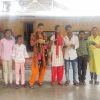
India’s Extensive Railways Often Conduit for Child Trafficking
Deeepti Rani (13) lives with her mother in a dilapidated dwelling near a railway track in India’s southern state of Karnataka. The mother-daughter duo sells paperbacks on trains for a living.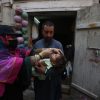
Vaccine Refusal, Floods Impact Polio Drive in Pakistan
Vaccine refusal is impacting the eradication of polio in Pakistan. Pakistan has vaccinated about 35 million children during its door-to-door campaign, but about 500,000 remained unvaccinated due to refusal by their parents, Jawad Khan Polio officer in Khyber Pakhtunkhwa, recorded in 2022 so far.
Can Asia and the Pacific Get on Track to Net Zero?
The recent climate talks in Egypt have left us with a sobering reality: The window for maintaining global warming to 1.5 degrees is closing fast and what is on the table currently is insufficient to avert some of the worst potential effects of climate change. The Nationally Determined Contribution targets of Asian and Pacific countries will result in a 16 per cent increase in greenhouse gas emissions by 2030 from the 2010 levels.« Previous Page — Next Page »


The Week with IPS

NEXT STOP - SDGs
Tracking global progress towards a sustainable world
Tracking global progress towards a sustainable world
