Languages
Tuesday, November 17, 2026



News and Views from the Global South
Global

Journalism is Not a Crime…and Fake News on Social Media is Not Journalism
This year’s World Press Freedom Day on 3 May falls during COVID-19 lockdowns in many of our countries. Restriction on movement means journalists all over the world are facing obstacles in getting interviews and data, and verifying stories before publishing.
Protect Journalists’ Rights so We can Stop the COVID-19 Disinfodemic
Andrew Sam Raja Pandian, a digital journalist and founder of a news portal in the southern state of Tamil Nadu, was arrested for running two news articles related to COVID-19.
Across the World, Construction Workers are Caught Between Coronavirus Risk and Joblessness
A daily commute of two-and-a-half hours each way would take a toll on anyone, but for Özkan, a construction worker in Istanbul, the hardest part of his long journey is coping with his fears about what might happen after he gets home.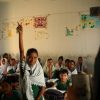
The COVID-19 Pandemic and the Reinvention of the Spirit of Solidarity and Cooperation
An invisible adversary has thrown the world – Global South and Global North alike – into disarray. The psychosocial and economic consequences of the COVID-19 crisis will remain with us long after it has been overcome. There will be no anti-viral return to the pre-coronavirus status quo, nor can we afford to idly wait for a viral transformation of our world. The future is not inevitable, abstract promise – it will depend on our collective readiness to forge it, or to be forged by it.
Public Health and Epidemics
For some time Wuhan in China and Lombardy in Italy were epicentres of the COVID-19 virus, something that has changed when the contagion is spreading fast in the US. A Lombardy in the grip of a deadly epidemic might among several Italians give rise to memories of their school days. For almost a century, Alessando Manzoni’s massive novel The Betrothed (I promessi sposi) from 1842 has been obligatory reading for all Italians during their last primary school year. A quite impressive endeavour considering that the novel is more than 700 pages long.
Only Sustainable Investment & Global Cooperation Can Counter COVID’s Blow to SDGs
We are today in a time of crisis—a time when our shared choices will shape the way history tells our story and the paradigm shift it has so forcefully provoked.
Press Freedom Needs Protection from Pandemic too
Wearing an orange jacket and face mask, Li Zehua, a Chinese freelance journalist, can be seen filming himself in a car. He is sure that state security agents have been pursuing him since he began documenting events in Hubei’s capital Wuhan, the first epicentre of the COVID-19 pandemic. A second YouTube video, circulating widely since he launched his appeal, ends abruptly when two men knock at his apartment. He has just reappeared online after two months, saying police interrogated him and put him in quarantine and that he was well looked after during this period.
The Crises of 2020 Will Delay the Transition to Clean Energy
The oil slump, global recession and uncertainty about the magnitude of the COVID-19 pandemic will fuel the appetite for cheaper fossil fuel energy and delay investments in renewables, affecting the targets of the Paris Agreement on climate change and the Sustainable Development Goals (SDGs).
Remembering Beethoven – a Genius with a Disability
Do you recognize this man? You do, of course. It is the silhouette of Beethoven, the famous composer and pianist, well known all over the world. The year 2020 marks his 250th anniversary and the UN city of Bonn, Germany is very proud of its famous son, born here, next to the river Rhine. The calendar for 2020 shows many festivals, musical events, and exhibitions, attracting tourists and people appreciating classic music from all around the globe. We all immediately recognize his famous Fifth Symphony with the sound known worldwide of ‘da-da-da-daaaa’. As Europeans we honor his Ninth Symphony, this having been chosen as the European anthem.
Governments Cautioned Not to Use COVID-19 Lockdown to Cause Harm
 The United Nations High Commissioner for Human Rights is calling on governments and leaders around the world to ensure that their respective lockdown measurements don’t end up causing harm to people by those enforcing the lockdowns.
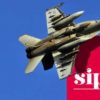
China & India Ranked World’s Biggest Military Spenders Trailing US
China and India, which went to war back in 1962 largely over a disputed Himalayan border-- and continue a longstanding battle for military supremacy in Asia-- have set a new record in arms spending.
World Press Freedom Day: The Assault on Media Freedom in Asia Worsens During COVID-19 Pandemic
May 3rd marks World Press Freedom Day around the world. During this COVID-19 pandemic, a robust media environment is critical: access to life-saving information is key in the fight against the virus. As governments impose a range of restrictions in attempts to curb the pandemic, journalists help hold authorities to account by providing analysis, engaging in debate about government actions, and creating a space for dialogue about the future we all hope to see.
WORLD PRESS FREEDOM DAY: Journalism Without Fear or Favour
 MEDIA WORLDWIDE is facing crises on multiple fronts, exacerbated by the COVID19 pandemic. Reporters without Borders released its 2020 World Press Freedom Index on April 21st, noting that the Coronavirus is being used by authoritarian governments to implement “shock doctrine” measures that would be impossible in normal times.

Understanding the Hunger Surge Caused by the COVID-19 Recession to Mitigate It Before It Is Too Late
Many uncertainties haunt the world’s campaign to counter the COVID-19 pandemic, but one thing is now sure: Global economic activity will suffer greatly, with large-scale consequences for the incomes and welfare of all, but especially for the most vulnerable food import-dependent countries.
All-of-Government, Whole-of-Society Involvement Needed to Fight Virus
The Covid-19 pandemic is now widely considered more threatening than any other recent viral epidemic. Most believe that many more have been infected or even died than officially confirmed.
As Coronavirus Spreads, No Journalist Should be Sidelined in Prison
In 2014 my husband and I were arrested in my native country, Iran, for the crime of working as journalists. I spent 72 days in Tehran’s notorious Evin prison, all of them in solitary confinement.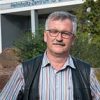
COVID-19 Stimulus Measures Must Save Lives, Protect Livelihoods, and Safeguard Nature to Reduce the Risk of Future Pandemics
There is a single species that is responsible for the COVID-19 pandemic - us. As with the climate and biodiversity crises, recent pandemics are a direct consequence of human activity – particularly our global financial and economic systems, based on a limited paradigm that prizes economic growth at any cost. We have a small window of opportunity, in overcoming the challenges of the current crisis, to avoid sowing the seeds of future ones.
SDGs: the Challenge to Improve Lives After the COVID-19 Crisis
The SDGs, with their universal scope, interlinked nature and focus on leaving no one behind will be more essential than ever during and after this crisis.
Coronavirus Shows the Urgency of Ensuring that Research gets into the Public Domain
Following the outbreak and declaration of COVID-19 as a global pandemic, there has been a flurry of scientific research and publications to address challenges posed by the virus. Publications have risen exponentially over the past few months as scientists work tirelessly to find out more about the pandemic, and the SARS-CoV-2 virus causing it.
Why the International Day of Multilateralism Must Start a New World Order
In our current COVID 19 context of suffering and fear, that may sound like a strange and spooky quote. But let’s be clear: what we have achieved so far in the present is not - and shouldn’t be - indicative of what we can achieve in the future.
Children under Lockdown get a ‘Learning Passport’
Soon schools in Timor-Leste, Ukraine, and Kosovo, where some 6.5 million children are currently at home, will hopefully start teaching their children once again -- albeit online.« Previous Page — Next Page »


The Week with IPS

NEXT STOP - SDGs
Tracking global progress towards a sustainable world
Tracking global progress towards a sustainable world
