Languages
Thursday, November 26, 2026



News and Views from the Global South
Global
MEXICO: Swine Flu Fears Take Toll on Pork Industry
Esther de Anda has stopped eating pork since the appearance of swine flu in Mexico. "They say there’s no problem in eating it, but for now I prefer fish or chicken," the homemaker told IPS.CLIMATE CHANGE: Two-Degree Rise Ever More Likely, Scientists Warn
Climate scientists are calling for a phase-out of fossil fuels because humans are now pumping so much carbon dioxide (CO2) into the atmosphere that the '2-degree-C climate balloon' will burst otherwise, new studies show.RIGHTS: Recruiters of Child Soldiers Defy U.N. Pressure
The United Nations remains virtually helpless as an increasing number of armed groups - described as "non-state actors" - continue to exploit, abuse and deliberately harm children in battle zones in Asia, Africa and the Middle East.SRI LANKA: Media Kept on Tight Leash
As the latest round of Asia’s longest-running guerrilla war winds down, scores of journalists here are experiencing intimidation and harassment for being critical of the military campaign against the separatist Liberation Tigers of Tamil Eelam (LTTE).
POLITICS-US: 100 Days of Latitude
One hundred days into his presidency, Barack Obama appears to have largely succeeded in putting U.S. ties with the rest of the world on a significantly more positive track, even as the foreign policy changes he has made thus far have been more rhetorical than substantive.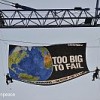
CLIMATE CHANGE: Biggest Emitters Seek an Early Consensus
A two-day meeting in Washington of the 17 nations that collectively emit three-quarters of the world's greenhouse gases concluded Tuesday with optimism that it helped provide a springboard toward more comprehensive talks on a successor to the Kyoto Protocol at the end of the year.HEALTH-ASIA: Swine Flu Threatens To Be Deadlier than Bird Flu, SARS
When the World Health Organisation (WHO) raised the influenza pandemic alert from phase three to an ominous phase four warning this week, it went beyond the alarm associated with the killer avian influenza virus in Asia.
RIGHTS: Indigenous Wisdom Against Climate Change
While industrialised countries like Canada continue to emit ever-higher levels of greenhouse-effect gases, indigenous peoples around the world are working to survive and adapt to an increasingly dangerous climate.MEXICO: Schools Closed Nationwide Due to Flu Epidemic
The deadly new influenza strain that originated in Mexico has led to the closure of schools, universities, museums, libraries, cinemas, theatres and churches here, while it continues to spread to other countries.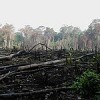
CLIMATE CHANGE: Burden Lies with Rich Polluters, Native People Say
Already suffering significant impacts from climate change, indigenous peoples at the close of an international summit here rejected the concept of carbon trading and offsets. Many also called for a moratorium on all new oil and gas exploration in their traditional territories and the eventual phase-out of fossil fuels.ECONOMY-INDIA: Tax Haven Loot Turns Election Issue*
General elections currently being contested in India have brought an unusual issue to the fore - the repatriation of more than a trillion dollars believed to have been stashed away in Swiss and other tax havens.ECONOMY: Crisis Pushing Key Poverty Goals Out of Reach
The global economic crisis has created a "development emergency" that will put at least some of the U.N.'s key poverty-reducing 2015 Millennium Development Goals (MDGs) out of reach for many countries, especially in sub-Saharan Africa and South Asia, according to a new report released Friday by the World Bank and the International Monetary Fund (IMF).HEALTH: Final Push to Control Malaria by 2015
About one million people die every year from malaria, including a child every 30 seconds. Half a billion people are infected annually. Africa alone, according to studies, loses 12 billion dollars in productivity and to treating the disease. And almost all of it is easily preventable.
Q&A: ‘‘Poor Countries Struggle to Mainstream Gender in Trade’’
Trade affects women and men differently. Women's livelihoods, in particular, can be undermined by trade liberalisation. Despite this fact, gender analysis is usually absent from trade negotiations and agreements.POLITICS-US: Overcoming Toxic Legacy of Bush-Style Democracy
A massive overhaul of U.S. development assistance is needed, says a new report from an influential Washington think tank.
ECONOMY: Struggle to Solve Crisis Moves to IMF, World Bank
Efforts to pull the global economy out of its nosedive enter a new phase this weekend amid warnings the decline is steeper than previously thought and signs the cockpit crew continue to jostle for the joystick.DISARMAMENT: New Promise of a Nuclear-Free World
Leading supporters of disarmament see new hope arising from the announcement by the U.S. and Russian presidents that they are willing to replace the Strategic Arms Reduction Treaty (START) with a new one.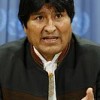
ENVIRONMENT: U.N. to Celebrate “Mother Earth Day”
"Mother Earth is not an object or merchandise. Mother Earth cannot be bought or sold," said Bolivian President Evo Morales, speaking at a heavily-attended news conference here at U.N. headquarters on Earth Day.POLITICS: Iran Hits Back at U.N. Chief Over Racism Meet
An indignant Iran has lodged a "strong protest" over critical statements made by two senior U.N. officials against President Mahmoud Ahmadinejad at an anti-racism conference in Geneva early this week.
CLIMATE CHANGE: Native Peoples Sound Dire Warning
Humanity's hot carbon breath is not just melting the planet’s polar regions, it is disrupting natural systems and livelihoods around the world, indigenous people reported this week at a global meeting on climate change in Anchorage, Alaska.RIGHTS: Racism Conference Recovers from Bad Start
The United Nations racism conference regained its momentum Tuesday with the approval of the final declaration, leaving behind the unpleasantness of the first day, when Iranian President Mahmoud Ahmadinejad made a divisive opening speech.« Previous Page — Next Page »


The Week with IPS

NEXT STOP - SDGs
Tracking global progress towards a sustainable world
