Languages
Saturday, October 17, 2026



News and Views from the Global South
Latin America & the Caribbean

Heat and Government Omissions Fuel Fires in Mexico
“This issue has been spiralling out of control year after year. The first responders are the communities themselves. There is no information explaining what a wildfire is in our native language (Mixtec), not even a pamphlet or video that can be distributed”, indigenous language education student Estela Aranda tells IPS.
Indigenous Knowledge Holders Want to Be Acknowledged
Generational lived experiences are key to confronting and living with a changing climate, say Indigenous knowledge holders and activists at the UN Climate Conference (COP30). As the first COP to be held in the Amazon region, in Belém, representatives of Indigenous communities reiterated the importance of generationally transferred knowledge and skills to adapt to and mitigate the threats posed by climate change.
‘We Want a Place at the Negotiation Table’ — Indigenous Leader
Indigenous leaders from across the Amazon region are calling on climate negotiators to base climate initiatives on the recognition of the land rights of affected Indigenous communities. From the COP30 venue in Belém, these leaders are demanding full participation in the design and implementation of proposed projects.
In the Heart of the Amazon: COP 30 and the Fate of the Planet
My recent visit to Brazil coincided partly with the Conference of the Parties (COP) 30, the 30th United Nations Climate Conference in Belém. Although I did not attend COP 30, I was very fortunate to visit the Amazon.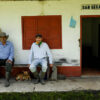
The Silent War Before COP30: How Corporations Are Weaponising the Law to Muzzle Climate Defenders
As the world prepares for the next COP30 summit, a quieter battle is raging in courtrooms. Strategic Lawsuits Against Public Participation (SLAPPs) are the fossil-fuel industry’s new favourite weapon, turning justice systems into instruments of intimidation.
Turning Indigenous Territories From ‘Sacrifice’ Zones to Thriving Forest Ecosystems
A report by the Global Alliance of Territorial Communities (GATC) and Earth Insight paints a stark picture of how extractive industries, deforestation, and climate change are converging to endanger the world’s last intact tropical forests and the Indigenous Peoples who protect them.
What’s Now Needed is Political Courage, Says UN SG Guterres at COP30
Political courage is the biggest obstacle to limiting the rise in global average temperature to no more than 1.5°C, said UN Secretary-General António Guterres.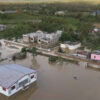
Hurricane Melissa Devastates The Caribbean As The UN Distributes Lifesaving Aid
In late October, Hurricane Melissa, a powerful Category 5 storm, made landfall in the Caribbean, causing catastrophic damage to civilian infrastructure and a devastating loss of life. Humanitarian agencies have mobilized on the ground to deliver urgent assistance to affected communities facing widespread destruction of homes, mass displacement, fatalities, and severe shortages of essential services, including food, water, medicine, shelter, and electricity.
Strengthening Indigenous Lands Rights Key in Solving Deforestation in Amazon
Strengthening Indigenous land rights will protect more forest in Brazil’s Amazon and avoid large amounts of carbon emission, according to new research released ahead of COP30.
Guatemalan Peasants Overcome Drought in the Dry Corridor
Water scarcity that relentlessly hits the rural communities in eastern Guatemala, located in the so-called Central American Dry Corridor, is a constant threat due to the challenges in producing food, year after year. But it is also an incentive to strive to overcome adversities.
Will COP30 Reenergize Nigeria’s Great Green Wall Project?
In 2017, 45-year-old Jabiru Muhammed could hardly contain his excitement when the village head of Batu in Jigawa State, northwestern Nigeria, announced that their community would work with officials from the National Agency for the Great Green Wall (NAGGW) to plant trees across a large stretch of land in the village.
New Climate Goal: To Quadruple Sustainable Fuels
Quadrupling the production and use of sustainable fuels by 2035 is the goal of a new international initiative to drive energy transition and mitigate the climate crisis, which will be launched during Brazil's climate summit in November.
Desalination is Booming in Chile, but Farmers Hardly Benefit
Desalination projects are booming in Chile, with 51 plants planned to process seawater and a combined investment of US$ 24.455 billion. However, these initiatives hardly benefit small-scale farmers, who are threatened by the prolonged drought, and cause environmental concerns.
Global Forest Loss: Far Off Track From Global Commitments
The Forest Declaration Assessment 2025 warns that global forest loss remains alarmingly high, with little sign of improvement.
Explaining Strong Credit Growth in Brazil Despite High Policy Rates
At 15 percent, Brazil’s monetary policy interest rate (called Selic) is one of the highest among major economies. Yet in 2024, bank credit grew by 11.5 percent and corporate bond issuance rose by 30 percent.
Chile Aims for Sustainable Port Expansion – VIDEO
 Maritime transport is key for Chile, which has 34 free trade agreements with countries and blocs of nations, one of the broadest trade networks in the world with access to over 86% of the global gross domestic product (GDP).
They Have Known Nothing but War—The Plight of Syria’s Out-of-School Children
The war has deprived thousands of Syrian children of their right to education, especially displaced children in makeshift camps. Amidst difficult economic conditions and the inability of many families to afford educational costs, the future of these children is under threat.
Global South Can Rebalance Climate Agenda in Belém, Says Gambian Negotiator
The Gambia's lead negotiator on mitigation believes that COP30 presents a unique opportunity to rebalance global climate leadership.
UNICEF Calls for Global Support to Protect Displaced and Starving Children in Haiti
New figures from the United Nations Children’s Fund (UNICEF) show that displacement has surged significantly in Haiti, deepening existing security and humanitarian crises in a country where nearly 90 percent of the capital is controlled by armed gangs.
‘No Solution Will Work If the Institutions Responsible for Abuses Remain in Charge of Implementing It’
CIVICUS discusses enforced disappearances in Mexico with a member of the International Network of Associations of Missing Persons. The crisis of disappearances in Mexico has reached alarming proportions, with over 52,000 unidentified bodies in morgues and mass graves. On 1 July, the Mexican Congress approved controversial changes to the General Law on Disappearances, which promise to modernise the search process through a national biometric system, but which human rights organisations and victims’ groups claim could establish an unprecedented system of mass surveillance.

Explainer: COP30’s ‘Granary of Solutions’ Will Be Showroom of World’s Best Climate Fixes
Once a year, the COP presidency or the role held by the Minister of Environment from the host government at a Conference of the Parties (COP) meeting, sets out on an ambitious, year-long journey in hopes of delivering the climate deal of a lifetime.« Previous Page — Next Page » *#*


The Week with IPS

NEXT STOP - SDGs
Tracking global progress towards a sustainable world
Tracking global progress towards a sustainable world

