Languages
Tuesday, November 17, 2026



News and Views from the Global South
Middle East & North Africa
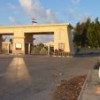
MIDEAST: Egypt Softens Towards Hamas
Two months since the ouster of longstanding president Hosni Mubarak, Egypt's new transitional government is turning its attention to unpopular Mubarak-era foreign policies - with the ongoing Israeli-Egyptian blockade of the Gaza Strip top of the list.
Gaddafi Accepts AU Plan to End Fighting
Muammar Gaddafi, the Libyan leader, has accepted a "road map" for a ceasefire with rebels, according to a delegation of African leaders.EGYPT: Shia Hope for New Chapter
The political currents that sweep across the Middle East often surge out of Iran, form treacherous eddies in Lebanon and Iraq, then slam into the front door of Ahmad Rasem El-Nafis' apartment in the northern Egyptian city of Mansoura.LIBYA: U.N. Experts Probe Human Rights Abuses
The international commission of inquiry established by the U.N. Human Rights Council to investigate alleged violations of human rights in Libya will start its mission next week, and report on all crimes, committed by anyone, including foreign powers.
Israel Hits Roadblock over Dismissal of War Crimes Charges
The Israeli government and South African jurist Richard Goldstone may be heading for a political confrontation over war crimes charges against Tel Aviv and a subsequent selective retraction of some of those charges.Privatisation Aided Egypt Revolt, Army Says
Anger at Egypt’s privatisation programme, involving the transfer of billions of dollars worth of public assets to private hands, aided the Egyptian revolution that elbowed the Western-backed Hosni Mubarak out of office in February, a top army general said.Bahrain’s Hospital of Ghosts
Salmaniya Medical Complex, once one of the most renowned medical facilities in the Gulf and a jewel in the crown of Bahrain's public healthcare system, has been transformed into a virtual ghost town.Migrant Workers Caught in Whirlwind of ‘Arab Spring’
Migrant workers caught in the crossfire of the ongoing upheavals in Bahrain and Libya highlight the need to develop international migration policies based on migrants' rights rather than the economic interest of labour sending and receiving countries, knowledgeable sources say.Arab Uprisings Break Down Media Stereotypes
Exhaustive media coverage of the wave of popular revolts sweeping the Middle East and North Africa has helped to dispel myths and stereotypes of Arabs and Muslims, and foster better cultural understanding, media experts said during a conference in Cairo on Wednesday.U.S.: Libya Splitting Republicans in 1990s Redux
In something of a replay of the infighting among Republicans over Washington's military interventions in the Balkans in the 1990s, U.S. involvement in the civil war in Libya is exposing serious splits among self-described conservatives.World Bank Chief Calls for Economic Reforms in Mideast
World Bank President Robert Zoellick on Wednesday pressed a Middle East and North Africa in the midst of the "Arab Spring" to promote vibrant civil societies and urged international financial and development institutions to hold its client governments in the region more accountable, if sustainable growth rates and more integrated economies are to take hold.Oil Giants Need To Think Beyond Profits
The uprisings in the Middle East and North Africa have shaken the petroleum industry, triggering oil price hikes and forcing the sector to go on the defensive. But critics say the industry carries some of the blame for the current crisis.Maliki’s Doubts Threaten Post-2011 Troop Presence Plan
President Barack Obama has given his approval to a Pentagon plan to station U.S. combat troops in Iraq beyond 2011, provided that Iraqi Premier Nouri al-Maliki officially requests it, according to U.S. and Iraqi sources.MIDEAST: Turkey Relishes Role as Mr. Fixit
In the course of 24 hours earlier this week, Turkish Foreign Minister Ahmet Davutoğlu met a top envoy from Libya, dispatched a senior Turkish official to Tripoli and traveled to Bahrain and Syria, all struggling to survive the pro- democracy Arab spring.NATO Vows to Protect Misurata Amid Criticism
NATO has vowed to protect Libya's civilian population and give priority to the besieged city of Misurata, a day after rebel fighters accused the military alliance of acting too slowly.U.S. Treads Cautious Line on Yemen Protests
United States officials reaffirmed their support for a peaceful transition of power in Yemen, but stopped short of publicly calling for President Ali Abdullah Saleh's immediate abdication as clashes between protesters and Yemeni security forces, which began in late January, violently escalate.
LIBYA: Prisoners on Both Sides at Risk
After a month and a half of conflict in Libya, the situation of political prisoners and prisoners of war on both sides is uncertain, and their fundamental rights are at risk.MIDEAST: Israel Aiming Punitive Measures at Soft Targets
As the international community becomes increasingly critical of Israel's discriminatory treatment of Israeli-Arabs and the brutal occupation in the Palestinian West Bank, the Israeli authorities are venting their anger against soft targets such as Arab-Israeli parliamentarians and Palestinian and Israeli non-violent peace activists.EGYPT: Cracks Appear In Mubarak-Era Labour Body
The state-controlled trade union federation that for over half a century was employed by Egyptian rulers to suppress workers' protests and mobilise voters for sham elections appears to be crumbling with the recent ouster of president Hosni Mubarak.MIDEAST: Goldstone’s Volte-Face Gladdens Israelis, Angers Palestinians
Israelis have breathed a national sigh of relief following the publication of an absolutely unexpected article in last Friday's Washington Post. The column's title and author said it all.OP-ED: Misunderstanding Bahrain’s Shia Protesters
Listening to the rhetoric coming out of Tehran, one might assume that Bahrain's Shia opposition is relying on help from its co-religionists next door. But, in fact, the opposite is true: the Shia opposition wants nothing more than for Tehran to stay out of the sectarian dispute unfolding in the tiny kingdom.« Previous Page — Next Page »


The Week with IPS

NEXT STOP - SDGs
Tracking global progress towards a sustainable world
Tracking global progress towards a sustainable world
