Languages
Friday, August 21, 2026



News and Views from the Global South
Newsbriefs
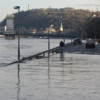
EUROPE: Floods Are Here to Stay
Record floods in Central and Eastern Europe have highlighted some of the challenges of climate change for the continent, as well as the floods’ potential to spur populist politics.
TerraViva Comes to FAO
Dear Reader: TerraViva, a special publication of the IPS news agency, the leader in coverage of development issues, civil society and the emerging South, is once again circulating, this time in the meeting rooms and hallways of the FAO building.World Needs New Indicators for Assessing Education
Addressing the United Nations Secretary-General Ban Ki-moon’s Global Education First Initiative (GEFI), a programme aimed at improving the quality of education worldwide, a group of panelists at the United Nations Tuesday highlighted the urgent need to tackle what they called the global learning crisis by improving the quality of learning in schools as well as ensuring children all over the world have access to quality education.Adding Billions to the World’s Population
A report released Thursday by the United Nations Department of Economic and Social Affairs (UN DESA) predicts that the current world population will increase from 7.2 billion to 8.1 billion in 2025—an increase of almost one billion in 12 years.New U.N. Initiative Nudges Environmental Issues into Poverty Alleviation Policies
Should countries change the way they think about their development? This is the central question of the new joint initiative between the United Nations Development Programme (UNDP) and the United Nations Environmental Programme (UNEP), called The Poverty-Environment Initiative.
Cairo’s Poor Convert Kitchen Waste Into Fuel Savings
The bio-gas digester on the roof of Hussein Farag’s apartment in one of Cairo’s poorest districts provides a daily supply of cooking gas produced from the kitchen waste his family would otherwise discard in plastic bags or empty into the clogged sewer below his building.
Scales Tip Towards Women in Jewish Religious Rights Struggle
The struggle for gender equality and Jewish pluralism took a highly symbolic turn on Sunday at the Western Wall, Judaism’s most revered site and emblem of unity, as a group of women known as “Women of the Wall” prayed legally and in a way they saw fit.AIDS and Development: An Agenda for the Future
AIDS has been a global issue for the longest time because of its pervasive effect towards all demographics throughout the world. The central questions of handling the AIDS epidemic would be: how the international community can create an AIDS-free generation and its current problems preventing such generation from existing in the future.Creating political Will is the biggest challenge, say experts
The word Hiroshima instantly conjures up images of nuclear mushroom clouds, toxic fumes, wreckages of buildings, charred bodies, death, devastation and destruction.
Egypt’s Presidency, Judiciary Brace for Showdown Over Draft Law
The post-revolution struggle between Egypt’s judiciary and President Mohammed Morsi, the country’s first Islamist head of state, finally seems to be coming to a head over controversial draft legislation regulating judicial authority.
Cuba Kicks Off Cyclone Season with ‘Good’ and ‘Bad’ Rains
The new cyclone season in Cuba is forecast to be highly active, and it announced its arrival with intense rains that caused rivers to burst their banks and flooded extensive areas in the western province of Pinar del Río. However, Andrea, the first named tropical storm of the year, did not reach hurricane force.
Communication Blackout, Rights Abuses in Nigeria’s Emergency States
Residents in the three Nigerian states where a state of emergency has been declared are living in fear as food prices soar and government soldiers conduct door to door campaigns to root out terrorists.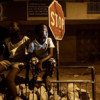
Sierra Leone’s Child Trafficking to Blame for Street Kids
On a street corner in downtown Freetown, Sierra Leone’s capital city, 12-year-old Kaita sits with a friend on a peeling steel railing watching the headlights of motorbikes cruising through the otherwise silent streets. It is after midnight, and motionless human forms lie curled up in doorways or stretched out on pavements nearby. For Kaita, these streets are home, and have been for almost six years.OPED – Austerity Bad for Recovery
No wonder the Euro zone countries, including Germany, are witnessing growing protests against the severe austerity measures. The unemployment rate in the Euro zone has exceeded 12% with close to 20 million people, mostly young, without a job.
Mexico’s Institutions Overwhelmed by Scale of Forced Disappearances
Mexican police officer Luis Ángel León Rodríguez disappeared along with six other officers and a civilian on Nov. 16, 2009, in the western Mexican state of Michoacán. Six days later, his mother, Araceli Rodríguez, began her ceaseless search.“There is nothing heroic about war”
A mother holds on to a blood-soaked pair of jeans her son was wearing when he was gunned down during a battle.Pew Survey Shows Deep Global Divisions on Attitudes Towards Homosexuality
"Should Society Accept Homosexuality?" A global Pew Research Centre survey was released yesterday, finding a wide variety of regional opinion on the question. Pew found that generally more positive attitudes were observed amongst younger people, and that in countries where a gender gap was observed, women tended to be more accepting than men.
Gay Parents in Cuba Demand Legal Right to Adopt
Many lesbians and gays in Cuba find different ways of achieving their dream of becoming mothers and fathers and forming families. But this is complicated in a country where neither civil unions nor adoption by non-heterosexual persons are legally recognised.Workers Strike in Support of Turkey Protests
(Al Jazeera) - Thousands of public sector workers in Turkey are on a two-day strike in support of anti-government demonstrations.Platform for Rape Victims in Great Lakes Region
The increasing importance for women to have a voice in times of conflict has been the focus in the latest discourse of peace building throughout the globe.Poverty No Longer Explains School Dropout in Argentina
Poverty no longer explains the high secondary school dropout rate in Argentina, one of the richest countries in Latin America.« Previous Page — Next Page »


The Week with IPS

NEXT STOP - SDGs
Tracking global progress towards a sustainable world
Tracking global progress towards a sustainable world
