Languages
Thursday, August 27, 2026



News and Views from the Global South


Continued Airstrikes Threaten Civilians and Aid Workers in Lebanon
As Israel continues its siege on the southern borders of Lebanon, concerns among humanitarian organizations grow as the frequency of attacks rise. Lebanon’s Ministry of Public Health reports that approximately 2,169 people have been killed and over 10,212 have been injured in the past year. Humanitarian Coordinator for Lebanon, Imran Riza, has described this conflict as one of the deadliest in recent memory.
Abortion is a Fundamental Human Rights Issue
The right to abortion is a human rights issue that no government agency, courts, local and state legislators, or anyone else has the right to violate or impede in any shape or form. It is a fundamental right that every woman must be free to exercise with impunity, in consultation with her doctor only, who acts based on his/her professional ethics and responsibility.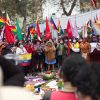
Stigmatization is the Entry Door for Repression and Violence
Information manipulation and misinformation are not new phenomena, but they have taken on exaggerated importance, especially with the massive use of social media.
WORLD FOOD DAY – 2024

The world's farmers produce enough food to feed more than the global population. Yet around 733 million people are facing hunger in the world.

Child Exploitation on the Internet Threatens the Next Generation
On October 11, the United Nations (UN) and its affiliated organizations hosted a conference discussing the increasingly dangerous and exploitative environment that plagues the internet and what can be done to protect children from being exposed to it. Speakers at this conference detailed the developing technologies that threaten children, such as Artificial Intelligence (AI), which often facilitates sexual abuse, exploitation, and human trafficking. In a world that is centered around digitization and innovation, it is crucial to keep the internet a safe space for the most vulnerable population, children.
UN Goal to End World-Wide Hunger by 2030 is Destined to Miss the Target
A landmark report released last July by five UN agencies— the World Health Organization (WHO), the Food and Agriculture Organization (FAO), the International Fund for Agricultural Development (IFAD), the World Food Programme (WFP) and the UN children’s agency UNICEF—outlined the setbacks in fighting global hunger and warned that the world has fallen behind by more than 15 years in its relentless battle against food scarcities, with levels of undernourishment comparable to those in 2008-2009.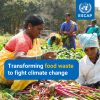
Building Resilience Against Climate Risks: The Transformative Role of Social Protection
While the impact of COVID-19 and the war in Ukraine on food system disruptions was widely covered, underlying food system vulnerabilities across Asia and the Pacific had been steadily growing long before these crises unfolded.
When Will World Food Day be a Day to Actually Celebrate?
World Food Day seems like it should be a time to celebrate. A day to eat delicious meals and enjoy the rich traditions and cultures of food around the globe.
Building Water Security for the Next Generation in the Pacific Territories
The Pacific Islands region is both the frontline of the wrath that climate change is lashing on the environment and human life and the drive for innovation and solutions to stem the destruction and strengthen island environments for the future. The survival of life, even nations, in the Pacific depends on it.
Guterres Congratulates Nihon Hidankyo For Nobel Prize For Efforts To Rid Humanity of Nuclear Weapons
The United Nations Secretary General António Guterres congratulated grassroots Japanese organization Nihon Hidankyo on being awarded the 2024 Nobel Peace Prize.
IPBES Calls for Holistic Solutions, Transformative Change in Tackling Biodiversity Loss
A holistic approach and transformative change of systems are needed to tackle biodiversity loss and to put the world on a sustainable path, an assessment by the Intergovernmental Science-Policy Platform on Biodiversity and Ecosystem Services (IPBES) has recommended. The world is facing an interconnected crisis of unprecedented biodiversity loss, food insecurity, and environmental degradation that can no longer be tackled through fragmented and piecemeal solutions, a forthcoming assessment by IPBES will show, calling for holistic approaches instead.
Afghan Girls Share Their Despair and Visions for the Future Under Taliban Rule
In line with the 2024 International Day of the Girl theme, ‘Girls’ vision for the future’, a dozen Afghan girls speak up to express their hardships and resilience. They also share their visions for the future.
It’s High Time to Turn the “Right to Foods” for a Healthy, Nutritious & Affordable Diet into Reality
This year the theme for World Food Day is “Right to Foods for a Better Life and a Better Future.” It’s a timely reminder that all people have the right to adequate foods. But how do we get from a right to a reality? And why is it so important to think about not just having sufficient food, but also the diversity of diets?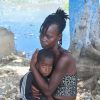
Haitians Blame Government After Massacre in Pont-Sondé
Last week, on October 3, a violent gang attack on the residents in the central Haitian city Pont-Sondé resulted in 115 deaths and spread fear among communities. This attack was described as one of the deadliest massacres in recent history in Haiti. Pervasive gang violence threatens to destabilize Haiti as the environment grows more dangerous by the day.
What do Russia and Israel Share in Common?
Russia is pursuing, during these contemporary times, a new form of economic architecture, non-hegemonic policies and simultaneously portraying its first-class military power in the world. Russia's development paradigm is distinctively different and largely oriented towards Global South.
Higher Education Course Rescues Indigenous Guarani Culture in Argentina
A few years ago, Bernardo Olivera moved to Posadas, the capital of the Argentinean province of Misiones, to study mathematics at the public university. Interested in numbers and keen to progress, he felt, however, that the education system put a barrier in his way because of his indigenous origin.
Azerbaijan Turns into a “Massive Open-Air Prison” before UN Climate Change Conference
On November 20, 2023, Ulvi Hasanli, director of AbzasMedia —an independent media outlet in Azerbaijan—was arrested when he was about to board a taxi to Baku airport. Meanwhile, uniformed officers raided AbzasMedia's headquarters in the Azerbaijani capital, claiming to have found 40,000 euros in cash, which was used as evidence to accuse Hasanli of currency smuggling.
In Zimbabwe’s Rural Areas, Bicycles Keep Girls in School
Rejoice Muzamani is studying in preparation for her next paper during the end-of-term examinations at Mwenje Primary School in Chiredzi, southeast Zimbabwe. The 13-year-old girl, who is in Grade 7 or final year of primary school, is not worried about leaving school early to make the 7-kilometer journey back home before dusk, risking attacks from wild animals.
With Climate Change, Government Apathy, Who Should Kerala’s Fishworkers Turn To?
Every morning before dawn, fishworkers along the shores of Kochi, Kerala, head out to sea, casting their nets in the shadow of the iconic Cheenavala—the Chinese fishing nets that have become a symbol of their community. I witnessed this time-honored tradition, once a reliable means of survival, now a daily gamble, a fight against unpredictable seas and shrinking fish populations.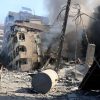
Death Toll Rises During Israel’s Siege in Lebanon
One week has passed since the beginning of Israel’s invasion of Lebanon. Over the past three weeks, Lebanon has seen a considerable uptick in hostilities from the Israeli armed forces. Routine bombardments have resulted in significant civilian casualties as well as the failure of several critical infrastructures. The United Nations warns that displacement continues to grow as shelters approach maximum capacity.
Amazonian Bioeconomy: An Essential Path for Sustainable Development
The Amazon is at a critical juncture. Despite its abundant biodiversity, cultural richness, and immeasurable environmental value, it faces serious threats that endanger its future and the communities that depend on it.« Previous Page — Next Page »


Want to keep up with the latest news and views from the Global South? Sign up for IPS Daily News Report for daily emails with our top stories about international development, climate change, gender and more. (Formerly IPS TerraViva since 1993).

The Week with IPS

NEXT STOP - SDGs
Tracking global progress towards a sustainable world
Tracking global progress towards a sustainable world
