Languages
Monday, August 17, 2026



News and Views from the Global South

From Recovery to Resilience: Transforming Tourism for a Sustainable Future
Tourism is back – and stronger than ever. With 1.4 billion international tourist arrivals recorded globally in 2024, the sector has bounced back to pre-pandemic levels, signalling a recovery from its worst crisis.
Shutting Down USAID Threatens to Endanger World’s Poorer Nations
The Trump administration’s decision to dismantle the US Agency for International Development (USAID), the US government’s primary channel for humanitarian aid and disaster relief, is expected to have a devastating impact on the world’s developing nations. The 2025 Budget Request, under the former Biden administration, amounted to a staggering $58.8 billion in US foreign aid for this year.
Race Against Time as Hunger, Poverty Rise Amid Growing Global Uncertainties
Nearly one in 11 people in the world and one in five people in Africa go hungry every day, a crisis primarily driven by chronic inequality, climate change, conflict and economic instability. At the current pace, hunger and extreme poverty rates show little sign of drastically receding by 2030.
Sexual Violence and Displacement: Disproportionate Threats to Children in Haiti
As ongoing gang violence and unrest bring down the living conditions in Haiti, humanitarian groups sound the alarm on human rights violations and the increasing challenges they dace in providing relief efforts.
Legal Amendments in Iraq Threaten Rights of Women and Girls
Efforts to end child marriage in Iraq are facing a serious threat, with the Iraqi Council of Representatives’ approval of amendments to Iraq’s Personal Status Law raising grave concerns that it risks permitting child marriage for girls.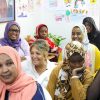
Gender Inequality in Science Limits Progress Towards Solving Complex Global Challenges
Today is the International Day of Women and Girls in Science and a time to take stock of progress, successes, and setbacks towards open and gender-inclusive science. Gender equality remains elusive in science, as only one in three scientists is a woman. Not only do these inequalities hold women back, but they also limit scientific progress.
Climatic Change Pushes Pakistan’s Promising Trout Fish Farming Towards Brink of Collapse
Pakistan’s once-thriving trout fish farming industry, a vital source of livelihood for communities in the country’s mountainous northern region, is now on the verge of collapse due to the devastating impacts of climate change.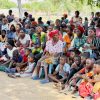
Namibia’s Drought Crisis: Building Resilience for Women and Girls
Communities in the Kavango West region of northern Namibia have firsthand experience of the severe impacts of climate change. The dry, cracked soil and emaciated livestock provide a constant reminder of the lack of access to water in this part of the country.
Imperialism (Still) Rules
Many in the West, of the political right and left, now deny imperialism. For Josef Schumpeter, empires were pre-capitalist atavisms that would not survive the spread of capitalism. But even the conservative Economist notes President Trump’s revival of this US legacy.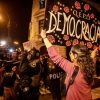
What is Not Good for Democracy in Peru is Not Good for Women
"We are facing a deeply conservative government that is opening the doors to all kinds of setbacks. We have a failed state with a democracy that is no longer a democracy," said Gina Vargas, a Peruvian feminist internationally recognized for her contributions to women's rights.
Belarus: Brutal Repression Continues Post Presidential Election, Say Human Rights Groups
In the months leading up to presidential elections at the end of January, Belarus’s authoritarian leader Alexander Lukashenko ordered the release of hundreds of political prisoners. Some observers saw this as a sign that the man who had led the former Soviet state for the last three decades could be planning a relaxation of his regime’s brutal repressions in return for a lessening of Western sanctions.
Decoding Africa’s Energy Journey: Three Key Numbers
At night, when the world lights up, large swathes of Africa remain cloaked in darkness—a stark reminder of the continent’s lack of reliable access to electricity.
Online Education: A Lifeline for Afghan Girls Amid Taliban Restrictions
Since the Taliban regained power in Afghanistan in 2021, girls and women have been systematically banned from education, making Afghanistan the only country in the world that denies schooling to girls over the age of 12. The situation continues to deteriorate, with even primary school enrollment for girls in decline, according to UNESCO.
Belarus: A Sham Election That Fools No One
Alexander Lukashenko will soon begin his seventh term as president of Belarus. The official result of the 26 January election gave him 86.8 per cent of the vote, following an election held in a climate of fear. Only token opposition candidates were allowed, most of who came out in support of Lukashenko. Anyone who might have offered a credible challenge is in jail or in exile.
WFP, FAO Warn of the Severity of the Climate Crisis and Food Insecurity
Over the past few years, climate shocks have become more frequent and have devastated economies and agriculture systems, exacerbating widespread malnutrition and hunger. It has become increasingly apparent that the utilization of sustainable agriculture practices and disaster risk management systems are crucial to fulfill growing needs as natural resources continue to dwindle.
Forcing Palestinians Out of Gaza is A Recipe for Unimaginable Disaster
Even after Trump declared that he wanted to take back the Panama Canal, acquire Greenland by force, if necessary, and rename the Gulf of Mexico to the Gulf of America, I could not, like many others, imagine that his madness could reach a new unfathomable height.
Tanzanians with HIV Left in Crisis as USAID Funding Ends
At 9 a.m. on Monday, Mariam Msemwa clutched her clinic card tightly as she stood in line at Bagamoyo District Hospital’s HIV Clinic in Tanzania’s coastal region. The 19-year-old had been here many times before, picking up monthly doses of antiretroviral (ARV) drugs that kept her alive. But today was different.When she reached the counter, the nurse flatly told her. “There’s no more free medication, ” she said. “You’ll have to buy it yourself.”
The Challenge of the “Carbon Aristocracy”
For centuries, innumerable countries were ruled by an entrenched, typically inherited, political class: the “aristocracy.” The term comes from the Ancient Greek words “aristos”, meaning best, and “kratia,” meaning power. As a result of long and hard-fought democratic struggles, these aristocracies have largely dwindled worldwide (albeit, not everywhere).
Ending FGM Requires Strengthening Partnerships and Advocacy Efforts
February 6 is the International Day of Zero Tolerance for Female Genital Mutilation (FGM). A practice deemed a gross violation of human rights, tragically the practice persists across multiple countries in Africa, the Middle East, and Asia. Over 230 million women and girls alive today have been subjected to this gruesome practice, and experts warn that at least 27 million more could endure this by 2030.
Goma: What Have We Done to God to Deserve All This?
Zawadi Delphine is a soldier's wife and mother of three. She and her family live in Camp Katindo, east of the city of Goma, the provincial capital of North Kivu. Recalling what happened on the night of Sunday, January 26, 2025, she says that her husband had come from the front, north of the city of Goma, visibly angry and in a hurry. Without telling her what was really going on, he had told her that they would only meet again by "divine grace."
Tax the Super-Rich. We have a World to Win
Why can’t there be education for every child? Why can’t there be healthcare for everyone who needs it? Why can’t everyone be freed from hunger and deprivation? Though these are promised to all as rights, people are repeatedly told that there is no money.« Previous Page — Next Page »


Want to keep up with the latest news and views from the Global South? Sign up for IPS Daily News Report for daily emails with our top stories about international development, climate change, gender and more. (Formerly IPS TerraViva since 1993).

The Week with IPS

NEXT STOP - SDGs
Tracking global progress towards a sustainable world
Tracking global progress towards a sustainable world
