Languages
Friday, August 21, 2026



News and Views from the Global South


Armed Drone Attacks on Humanitarian Aid Efforts Put Future at Risk
Humanitarian aid operations in some places may become impossible in the future, experts have warned, as a new report shows a dramatic rise in the use of armed drones in conflict zones.
Laureates Call For Moonshot Innovation Effort to Avert Hunger Catastrophe
Neglected indigenous crops, rich in nutrition and resilient to climate change, are key to tackling global hunger only if governments invest in research and development (R&D) to tap the potential of such innovations. More than 150 Nobel and World Food Prize Laureates are calling for investment in moonshot technologies to realize the potential of innovative solutions such as these hardy crops, warning that without swift action, there is a "food insecure, unstable world.”
How US Media Hide Truths About the Gaza War
A few days before the end of 2024, the independent magazine +972 reported that “Israeli army forces stormed the Kamal Adwan Hospital compound in Beit Lahiya, culminating a nearly week-long siege of the last functioning hospital in northern Gaza.”
Violence Flows in Parts into Mexico from the United States
The case of a man arrested in Texas, in the south of the United States, for shipping arms parts to Mexico immediately caught the attention of authorities in both countries. But it was only one thread in a web that continues to become more and more tangled.
The Year 2024: Hopes & Despairs
Thank God, we have survived another year of genocide, war, destruction and climate crisis. The passing year of 2024 has been a mixture of hope and despair. It began with some hope as the International Court of Justice (ICJ) ruled in favour of South Africa’s case against Israel for committing genocide and ordered Israel to take all measures within its power to prevent the commission of all acts within the scope of Article II of the Genocide Convention, and to take immediate and effective measures to enable the provision of urgently needed basic services and humanitarian assistance to address the adverse conditions of life faced by Palestinians in the Gaza Strip.
Nature Goes to Court
Nature is taking the stand as courtrooms worldwide become battlegrounds for Earth’s rights. The rise in climate litigation shows how the environment can take centre stage as a plaintiff, demanding justice and accountability, benefiting us all.
Malala: ‘Honest Conversations on Girls’ Education Start by Exposing the Worst Violations’
“She was at her brilliant best, speaking fearlessly and boldly about the treatment of women by the Afghan Taliban, robbing an entire generation of girls their future, and how they want to erase them from society,” said educationist and one of the speakers, Baela Raza Jamil, referring to the speech by Nobel Laureate and education activist Malala Yousafzai.
Trade Partnerships Offer Hope Against Deforestation
In Indonesia’s forests today, we can breathe a sigh of relief. At the conclusion of our dry season, during a time when climate change impacts are increasing in frequency and severity, there were no giant fires with plumes of smoke choking our region.
Unlocking SDG Success: How Better Data Can Develop Africa
That one in three Africans will not be counted as countries failing to meet census deadlines is a huge setback for development planning.
Geopolitical Uncertainties Cloud World Economic Prospects, UN Report Says
In the past few years, the world economy has made significant strides in mitigating inflation, unemployment, and poverty. Despite this, global growth has yet to regain its pace from before the pandemic.
The Challenges Facing the World’s Fifth Largest Economy
India has surged forward as the world's fifth-largest economy and has now surpassed China to claim the title of the most populous nation. However, this rapid ascent is not without its challenges; rising unemployment and inflation loom large, threatening demographic dividend and its ambitious goal of sustaining a 7 to 8% GDP growth.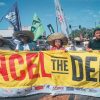
Developing Countries are Being Choked by Debt: This Could be the Year of Breaking Free
The debt disaster is back. Indeed, the aid agency Cafod reports that developing countries today face “the most acute debt crisis in history”.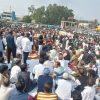
India: Protests Erupt Over Hazardous Waste Disposal of Bhopal Gas Tragedy
An eerie calm prevails over Pithampur, a town 250 km (155 miles) away from Bhopal, the capital of the central Indian state of Madhya Pradesh. This town witnessed widespread protests for three days last week following the transportation of large quantities of toxic waste from the site of one of the world's worst industrial disasters in Bhopal.
Colombia’s Historic Child Marriage Ban
Colombia has just marked a historic milestone in the global campaign against child marriage, with the Senate passing one of Latin America and the Caribbean’s most comprehensive bans on child marriage and early unions. In a country where one in five girls under 18 and one in 10 under 14 are married or live in marriage-like conditions, the new law raises the minimum age to 18 with no exceptions, eliminating a 137-year-old Civil Code provision that allowed children over 14 to marry with parental consent. This achievement aligns with goal 5 of the Sustainable Development Goals (SDGs), which has a target of eliminating harmful practices like child marriage by 2030. The new law now awaits the signature of President Gustavo Petro to come into effect.
Erratic Sales and Government Apathy Hurt Telangana Weavers
The southern Indian state of Telangana has always been home to exquisite cotton and silk weaves. But in recent years, lack of market access, expensive inputs, and government apathy have taken their toll on the weaving community. As a result, the younger generation is refraining from pursuing this traditional occupation and opting for more lucrative pursuits.
Sudan’s Humanitarian Crisis Expected to Worsen in 2025
As the Civil War rages on in Sudan, the nationwide humanitarian crisis continues to worsen. Armed conflict has caused an escalation in civilian casualties and displacement in the past few months. Additionally, famine looms in the nation’s most conflict-impacted areas, which is exacerbated by tightened restrictions that impede humanitarian aid deliveries. Despite numerous calls for a cessation of hostilities by the international community, relief efforts are severely underfunded.
Our Health is at Stake: The Solutions SIDS Need to Fight Climate Change
Climate change is one of the most serious global threats to the future of the world’s population. Its impact extends far and wide, from the economy to governance to the very health and well-being of society.
Genocidal President, Genocidal Politics
When news broke over the weekend that President Biden just approved an $8 billion deal for shipping weapons to Israel, a nameless official vowed that “we will continue to provide the capabilities necessary for Israel's defense.” Following the reports last month from Amnesty International and Human Rights Watch concluding that Israeli actions in Gaza are genocide, Biden’s decision was a new low for his presidency.
Is Bangladesh’s Currency Reprint Pressing Delete on Bangabandhu’s Legacy?
History seems to be chasing Bangladesh even while the interim government is grappling with real issues of administering a country thrown into chaos. In July last year, this south Asian country faced an upheaval when a students’ movement drove out Prime Minister Sheikh Hasina from office.
Financing for Development Priorities Today
The forthcoming fourth United Nations Financing for Development conference must address developing countries’ major financial challenges. Recent setbacks to sustainable development and climate action make FfD4 all the more critical.
The most Secret Memory of Men and the Disgraceful Condemnation of Two African Authors
In 2021, the Senegalese novelist Mohamed Mbougar Sarr became the first writer from sub-Saharan Africa to be awarded the Prix Goncourt, France’s oldest and most prestigious literary prize.« Previous Page — Next Page »


Want to keep up with the latest news and views from the Global South? Sign up for IPS Daily News Report for daily emails with our top stories about international development, climate change, gender and more. (Formerly IPS TerraViva since 1993).

The Week with IPS

NEXT STOP - SDGs
Tracking global progress towards a sustainable world
Tracking global progress towards a sustainable world
