Languages
Saturday, August 22, 2026



News and Views from the Global South


COP29: Advancing work for Climate Finance and for Climate-Adapted Agri-Food Systems
Frustrations over the pace of climate action and the size of the finance target agreed in Baku are valid from the perspective of low-income countries, especially Small-Island Developing States (SIDS). It is also important to recognize that there has been real progress in some countries at the agri-food-nutrition-climate-water-nature-livelihoods intersection, and this seems to be particularly the case in some countries in the Alliance of Champions for Food Systems Transformation (ACF).
Breaking Latin America’s Cycle of Low Growth and Violence
Violent crime and insecurity have a disproportionate impact on Latin America and the Caribbean, with severe consequences for socioeconomic development.
When Ousted Leaders Seek Safe Havens to Escape Jail Time & Hangman’s Noose..
When some of the leaders in the Middle East and Asia are dethroned and driven into exile, the cynics jokingly ask: Is he politically dead or is he dead and buried? The distinction between the two seems significant because the fluctuating political fortunes of some leaders-- and their will to survive against heavy odds-- have always defied Western logic.
It’s the Greed, Stupid!
The available data is self-explanatory: business-prompted human activities have already altered over 70% of the Earth’s lands, with 24 billion tonnes of fertile soil lost due to industrial agriculture, the excessive use of chemicals, overgrazing, deforestation, pollution and other major threats.
Once Scattered by Colonialism, Today United in Urgent Pursuit of Climate Justice
The Seychelles consider the ongoing public hearings at the International Court of Justice (ICJ) both timely and critical “for the people of the small island developing state in the middle of the Indian Ocean,” Flavien Joubert, Minister for Agriculture, Climate Change and Environment of the Seychelles, told the court today.
Nature Can Help Africa Make the Most of COP29 Outcomes
Despite mixed reactions to the outcomes of COP29, Africa has the opportunity to take the lead in harnessing nature to tackle the effects of climate change and secure a resilient future.
Redefine Business Success to Include Nature
Sustaining nature is not just an environmental goal—it is an essential component of sustainable business—and requires that we redefine business success to include the wise stewardship of nature.
Micro-Dams Spark a Wave of Water Sustainability in Brazil – VIDEO
 They look like attempts to copy the moon’s surface, in some cases, as craters multiply in the grasslands. But they are actually micro-dams, barraginhas in Portuguese, which have spread in Brazil as a successful way to store water and prevent soil erosion in rural areas.
FAO Renews Its Commitment to Right to Food Guidelines
The Food and Agriculture Organization (FAO) launched its newest report on the Right to Food Guidelines on December 10, which focuses on that focused on the urgency of food security as well as the measures that will be taken by the organization to eradicate hunger and malnutrition in the coming decade.
Water Shortages Hit Zimbabwe Towns as Country Struggles To Overcome Impact of El Niño
At a borehole not far from Mpopoma High School in Bulawayo, Zimbabwe’s second largest city, 48-year-old Sakhile Mulawuzi balances a white 25-liter bucket of water on her head as she holds another 10-liter blue bucket filled with water. She trudges these back home along a narrow pathway leading to her house in Mpopoma, one of the high-density areas here.
To What Extent is Bangladesh’s Hindu Population Under Attack?
Bangladesh has been in the midst of a deepening political crisis and a significant social divide since August 5 when the former Prime Minister Sheikh Hasina fled the country following a mass uprising led by students. Diplomatic relations between India and Bangladesh have since soured and given way to a considerable amount of disinformation, especially surrounding the persecution of the Hindu population.
Africa’s Time – Delivering Transformation via Innovation
Africa, the world’s youngest continent is brimming with creativity, talent and innovation. With more than 60% of its population under the age of 25, Africa’s youth are fueling entrepreneurship and job creation across the region.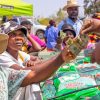
In Zimbabwe, Women Are Leading the Battle Against Climate Change
When Susan Chinyengetere started to focus on farming in her home village in south-eastern Zimbabwe, she wondered if she could earn a living and raise her children. With climate catastrophes ravaging the country, her hesitation on rain-fed agriculture worsened. But two years later, the 32-year-old mother of two from Mafaure village in Masvingo, about 295 km from the capital Harare, is now a champion in farming.
India Bangladesh Relations on the Edge?
Even as India’s Foreign Secretary Vikram Misri reached Bangladesh amid strain in ties over attacks on Hindu minorities, he carried with him a bag of complaints: it sure was not a good will mission. It was one where India has focused on its discomfort, rather anger, over the persecution of Hindus under the new regime in Bangladesh.
This Year Saw Most of the World Repressed – but in Civil Society there is Hope
Today is International Human Rights Day, Normally, it should be an occasion to celebrate the work of those who strive to create peaceful, just, equal and sustainable societies. But conditions for human rights defenders and their organisations to operate freely are extremely challenging around the world.
No State Is Truly Independent if It Suffers Significant Injury Without Consequence—Palau
After many decades of colonial rule, Palau was the last country to emerge from the UN Trusteeship. Palau celebrated 30 years of independence in October 2024 “and takes seriously the rights and responsibilities of independence. Independence should mean that Palau is free to build its own future and be responsible for the security, safety, and well-being of its own people,” said Gustav N. Aitaro, the Minister of State of the Republic of Palau at the International Court of Justice (ICJ).
Central American Countries Backtrack on Metal Mining Ban
Metal mining has a renewed momentum in Central America, encouraged by populist rulers who, in order to soften environmental damage, claim they can develop it in harmony with nature, which is hard to believe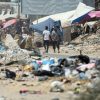
Israel-Gaza War: Deaths, Injuries and Destruction with No Plan for Peace
After the Hamas-led attack on Israel on 7 October 2023, Israel retaliated with a war in Gaza involving bombings, shootings and blockades but with no explicit plan for achieving peace with the Palestinians.
Protect the Rights and Future of Youth, Right Now, From Addiction and Harm
As the world commemorates UN Human Rights Day December 10, with the theme, “Our Rights, Our Future, Right Now,” it’s time to ask: Are we truly listening to what the youth envision for their present and future?
Pacific Community Calls Out Urgency of Climate Loss and Damage Finance for Frontline Island Nations
Advancing development of the new Climate Loss and Damage Fund was a key call by Pacific Island nations at the COP29 United Nations Climate Change Conference being held in Azerbaijan in November. For Pacific Island Countries and Territories, the fund represents a critical step towards addressing what they consider a gross climate injustice: despite contributing less than 0.03 percent of global greenhouse gas (GHG) emissions, they bear the brunt of climate change's devastating impacts.
‘For the Human Race, Ignoring the Climate Emergency Is No Longer an Option’
At the International Court of Justice (ICJ), no matter if the country had high Himalayas, was a small island nation or was experiencing armed conflict, they all agreed that the due diligence principle and the obligation of states to prevent harm caused by climate change, especially for high greenhouse gas emitters, were non-negotiable.« Previous Page — Next Page »


Want to keep up with the latest news and views from the Global South? Sign up for IPS Daily News Report for daily emails with our top stories about international development, climate change, gender and more. (Formerly IPS TerraViva since 1993).

The Week with IPS

NEXT STOP - SDGs
Tracking global progress towards a sustainable world
Tracking global progress towards a sustainable world
