Languages
Saturday, August 22, 2026



News and Views from the Global South


‘My Father Was Arbitrarily Arrested and Convicted for Denouncing Government Corruption’
CIVICUS speaks with Ramón Zamora, son of Guatemalan journalist José Rubén Zamora, about restrictions on press freedom and the challenges of defending human rights in Guatemala.

A Most Heinous -Yet Unprosecuted- Crime: Inequality
Planet Earth is drying up, relentlessly. Over three-quarters of all lands have become permanently drier in the last three decades. This is not jut a statistic but a stark scientific fact. But while such an ‘existential crisis’ affects nearly every region, guess where -and who- are the most hit?
Interlinked Solutions Key to Tackling Biodiversity, Water, Food, Health and Climate Change, says IPBES
Biological diversity is on the decline worldwide, and current approaches to address its loss have been piecemeal and ineffective in tackling the crisis facing nature—this is despite estimates that over half of global GDP (USD 58 trillion of economic activity in 2023) is generated in sectors that are moderately to highly dependent on nature, a new report by the Intergovernmental Platform on Biodiversity and Ecosystem Services (IPBES) finds.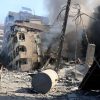
In Times of War: Tough Ethical Questions and Inner Turmoil
Sixty-four days of unrelenting war machine by Israel against Lebanon put my entire beliefs and ethos to a painful test: my sincerity in promoting social justice, human rights, integrity, patriotism, spirituality and, philosophically speaking, universal human values of love, peace and non-violence.
America’s Climate Carousel
The rhythmic swing of American climate policy has taken another dramatic turn. With Donald Trump’s return to the US presidency in mid-January next year, the international climate community will find itself bracing for what many fear will be another American exodus from the Paris Agreement.
UNCCD COP16 Spotlights Drought But Fails to Agree on a Legally Binding Protocol
The 16th meeting of the Conference of the Parties to the UN Convention to Combat Desertification (UNCCD COP 16) concluded early hours of Saturday with a renewed focus on building drought resilience globally. However, the COP also failed to agree on bringing a legally binding drought protocol. Like the biodiversity and climate change COPs held earlier in the year, COP16 also failed to finish in time and ended by postponing several key decisions to COP17 scheduled to be held in 2026.
New Geopolitics Worse for Global South
The new geopolitics after the first Cold War undermines peace, sustainability, and human development. Hegemonic priorities continue to threaten humanity’s well-being and prospects for progress.
Bangladesh in Crisis: Which way out?
This piece is not about the crisis or the chaos that the country is now facing after successfully toppling the autocratic regime of Sheikh Hasina. Rather, it is about the crisis of confidence and social capital or trust — interlinked, nonetheless.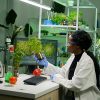
How an African Bioeconomy Can Strengthen Agrifood Systems in the Context of a Changing Climate
From increased pests and diseases to lower crop yields and extreme weather events, the adverse impacts of climate change on agriculture in Africa cannot be overstated.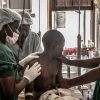
Bridging the Gap in Africa’s Surgical Care Crisis
For decades, preventable deaths, lifelong disabilities, and disfigurements presented devastating consequences for over 90% of the population in Africa, where surgical care remains largely out of reach.
Camps of Death, Terror: Syrian Survivors Face Long Road To Recovery
Detained without trial for over three years for trial for allegedly treating "terrorists" (as opponents of former Syrian President Bashar al-Assad were deemed), Alaa al-Khalil, a 33-year-old nurse from the Syrian city of Hama, recounts the agony of her time in a prison cell she shared with at least 35 women.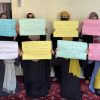
Afghan Women Vow To Resist Taliban Oppression Until Freedom Is Achieved
Three years after the Taliban regained control of Afghanistan, women continue to face oppressive laws and systemic marginalization.
Small Island States Put Faith in International Court’s ‘Wayfinding’ Advisory Opinion
The “crazy, weird and at some point (what seemed like) insurmountable” plan to ask the International Court of Justice for an advisory opinion on the obligations of UN member states regarding climate change was a success, Vishal Prasad, a representative for the. Pacific Islands Students Fighting Climate Change (PISFCC) said at a post-hearing press conference today (December 13).
Standing Up for Science with Science Communication
New research shows that AI-generated summaries of scientific writing made the information more approachable and easier to understand, and thus created more public engagement with the information. This is notable because most scientists aren’t trained in science communication tactics and so their jargon affects many people’s ability to understand and trust scientific papers and findings.
Intra-Regional Relations the Key To Sustainable Development in the Horn of Africa
The Horn of Africa holds the resources and potential for lasting development and resilience. The countries in the subregion and development partners need to come together to invest in regional cooperation and resource management.
The Fall of The Assad Regime: The Rebels’ Prospect for Success or Failure
The fall of the Assad regime is a historic watershed event that will have significant regional and international ramifications. The question is, will the rebels fulfill their promise to be inclusive and lift the Syrian people out of their misery, and what can the US and Israel do to help shape the trajectory of the new regime?
Mahrang Baloch—Feted Worldwide, Persecuted at Home
"This recognition by a media outlet highlights the painful stories of abductions, torture, and the genocide of the Baloch people," said 31-year-old political activist Mahrang Baloch, speaking with IPS over the phone from Quetta, Balochistan, in reference to her inclusion on the BBC’s annual list of 100 most inspiring and influential women from around the world for 2024.
‘We Will Not Go Quietly Into the Rising Sea,’ Tuvalu Tells International Court of Justice
Rising sea level caused by greenhouse gas emission-fueled climate change is threatening existence in coastal communities and island nations. At the International Court of Justice (ICJ), on Thursday, December 12, 2024, small island states, including Tuvalu and a Pacific-based fisheries agency detailed their ongoing existential threats caused by the climate change-induced sea level rise and impacts on fishery-based livelihood.
Escalation of Violence in Sudan Raises Concern of Nationwide Collapse
On December 9, a wave of bombardments hit a market district in Sudan, killing at least 127 people. Over eight barrel bombs were launched on the North Darfur town Kabkabiya, marking the latest attacks on densely populated areas that occurred throughout the course of the Sudanese Civil War. Both the Rapid Support Forces (RSF) and the Sudanese Armed Forces (SAF) have received immense criticism from humanitarian organizations for committing abuses against civilians that constitute violations of international humanitarian law.
New Law in Cuba Makes Investing in Renewable Energy Sources Mandatory
With Decree 110, published on 26 November, Cuba made it mandatory for major consumers, whether they are state or private entities, to invest in the use of renewable energy sources, while the energy crisis facing the country worsens.
Nobel Peace Prize Forum Breaks Down Nuclear Risks and Solutions
The existential threat that nuclear weapons present remains as pertinent as ever, even when they have not been deployed in war for nearly 80 years. As some countries seek out nuclear weapons or to upgrade and modernize their existing warheads, global voices in nuclear politics and disarmament warn of the potential risk of a new nuclear arms race amid the weakening of nuclear treaties that prohibit the proliferation and use of nuclear arms.« Previous Page — Next Page »


Want to keep up with the latest news and views from the Global South? Sign up for IPS Daily News Report for daily emails with our top stories about international development, climate change, gender and more. (Formerly IPS TerraViva since 1993).

The Week with IPS

NEXT STOP - SDGs
Tracking global progress towards a sustainable world
Tracking global progress towards a sustainable world
