Languages
Saturday, November 21, 2026



News and Views from the Global South
Africa

SIERRA LEONE: A Women's Issue That Women Are Wary of Campaigning About
Female genital mutilation (FGM) can make sex painful, complicate childbirth, lead to urinary tract infections, enable the transmission of HIV - and induce a host of other ills. So, promising to fight this practice should be a winning strategy for someone hoping to be elected to parliament this Saturday in Sierra Leone - where about 90 percent of girls and women undergo FGM, according to rights watchdog Amnesty International.
Q&A: "In Sierra Leone They Just Cut You, And There's Not Much Problem With That"
Certain comments resonate long after they are made, and Shirley Yeama Gbujama's reported threat to "sew up the mouths of those preaching against Bondo" is certainly one of them.DEATH PENALTY-RWANDA: Abolition Spurs Quest for Justice
Rwanda has moved swiftly to capitalise on the international approval it received for its recent abolition of the death penalty, and signalled that it will now actively seek the extradition of suspects in the 1994 genocide known to be hiding out abroad and evading justice.SUDAN: Rebels Unite for Talks, Key Leaders Still Absent
Leaders of Darfur's fractious rebel groups have settled on a common negotiating position following a four-day round of talks in Tanzania, United Nations and African Union mediators announced Monday.
POLITICS-SIERRA LEONE: Making a Voting Right a Voting Reality
Having the right to vote is one thing; using it properly, or indeed at all, is quite another, as Sierra Leone has shown ahead of general elections this Saturday.WEST AFRICA: Stock Farmers Migrate From Difficulties, To Difficulties
No more grass for livestock to graze on. No more water, either. More than 50 stock animals dead. For farmer Samba Diallo, staying in Burkina Faso was no longer an option.DEVELOPMENT-BURKINA FASO: A Province Too Popular For Its Own Good
Kompienga, in eastern Burkina Faso, is the country's most verdant province - but for how long?DEVELOPMENT-ZIMBABWE: The City of “Passport Size” Ablutions
The City Council of Bulawayo, Zimbabwe’s second largest city, has issued a warning to residents of a possible outbreak of disease following a massive cut in the city’s water supply. This is the first time in Bulawayo's history such a health warning has been issued.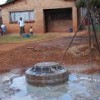
DEVELOPMENT-ZIMBABWE: Water Shortages in Capital Leave Residents Desperate
Taps in the Zimbabwean capital, Harare, are running dry even though the city’s main supply dams are more than 60 percent full, according to figures from the Zimbabwe National Water Authority (ZINWA). With more than half of Harare's three million inhabitants now experiencing water shortages, residents are resorting to desperate measures to find supplies.
DEVELOPMENT-UGANDA: A Dam That Activists Simply Can’t Make Peace With
As preparations for construction of the Bujagali dam on the Nile River in Uganda gain momentum, a local civil society coalition is calling on the World Bank and the African Development Bank (AfDB) to reconsider their decision to release funds for this hydro-electric project - which the World Bank estimates will cost 799 million dollars.
RIGHTS-KENYA: A Moment of Joy Turned to Ashes
Josephine, young and pregnant, had just felt her water break. She arrived at the doors of St. Mary's Hospital in Langata, Kenya ready to give birth to her first child. But the throbbing pain of delivery was just the start of her troubles.
SOUTHERN AFRICA: Blind, Translucent, Vulnerable – And Important For Your Health
An unexpectedly rich variety of organisms can be found in groundwater, a source that more than 37 percent of people in Southern Africa are dependent on, according to the Southern African Development Community's Water Sector Co-ordinating Unit. And, an Australian scientist visiting South Africa believes these tiny animals should be studied more intensively to monitor the quality of groundwater.RIGHTS-MOZAMBIQUE: Law to Stop Human Trafficking
Over 1,000 Mozambicans, including children, are trafficked to South Africa every year where they are forced into prostitution or to provide free or cheap labour. In response, Mozambique’s government last week approved a new law which will make human trafficking a crime punishable with long prison sentences.RIGHTS-ZAMBIA: Cyberspace Casts Light on the Lives of Death Row Inmates
"Can governments solve urgent social or political problems by executing a few or even hundreds of their prisoners?" asks Benjamin Mawaya, sweltering on death row in Zambia’s Mukobeko high security prison in Kabwe, 150 kilometres from the capital of Lusaka.
MOZAMBIQUE: Agriculture Input Fairs – A Chance to "Live in Dignity"
Despite a chain of misfortunes, 75-year-old Gonçalves Mandlate faithfully works his plot soon after sunrise each day, hoping that his life, and those of the five grandchildren who live with him, will improve.DEVELOPMENT-NAMIBIA: No Water In Babylon
Cardboard and rickety tin structures jostle for space on a barren outcrop in the sprawling suburb of Katutura in Namibia’s capital Windhoek. A putrid smell hangs in the still, afternoon air as flies wing their way over the debris.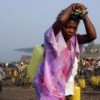
SOUTHERN AFRICA: Unequal Water Resources Present a Challenge
Water resources are unevenly distributed throughout the countries of Southern Africa. The region boasts of some of the world’s largest lakes and rivers, but is also a land of vast deserts.ENVIRONMENT-NIGERIA: Rich in Oil, Dependent on Firewood
It is a paradox of note: the fact that while Nigerians live in the world's sixth-largest oil producer, most of them still rely on wood for their fuel.POLITICS-MALI: Bracing for “Zero to Six” in Parliamentary Elections
A fear has been voiced that the number of women in Mali's parliament could be more than halved during legislative elections that wrapped up Sunday.HEALTH-ZIMBABWE: Running Errands of Mercy in the Age of AIDS
Priscilla Ndlovu feels like she has seen it all. She works as a member of one of myriad community home-based care groups, the prevalence of which shows the extent of HIV/AIDS in Zimbabwe, highlighting the country’s struggle to control the pandemic.DEVELOPMENT-TANZANIA: More Women Dying Preventable Deaths
"I began walking when I felt contractions. I delivered on the roadside five kilometres from the hospital," says the 22-year-old Veronica Joseph.« Previous Page — Next Page »


The Week with IPS

NEXT STOP - SDGs
Tracking global progress towards a sustainable world
Tracking global progress towards a sustainable world
