Languages
Monday, July 13, 2026



News and Views from the Global South
Europe
UKRAINE: Punished for Fighting AIDS
Drug users and doctors legally prescribing substitution drugs to addicts -- a key tool in the battle with the country's growing HIV epidemic -- are facing illegal police intimidation and imprisonment, HIV/AIDS activists in the Ukraine say. Fears are rising that the country's approach to the disease could be changing for the worse.HUNGARY: Austerity Fatigue sends IMF Home
Hungarian Prime Minister Viktor Orbán has slapped IMF in the face, shocking an international community used to news of economic difficulties coming from this small Central European nation. But most Hungarians have welcomed it, at least so far.GREECE: Society Begins to Crack Under Harsh Measures
Every working day, more than a hundred people crowd around the entrance of the merchant and passenger boats' reconstruction industry, well known as 'The Zone', in the southern suburb of Attiki.Lack of Funds Hampers Global Fight Against AIDS
The global conference on AIDS in Vienna last week will be remembered for "Broken Promises Kill", a slogan echoed by a coalition of activists who had gathered from around the world.BULGARIA: Refuge Can Get Worse Than Rejection
A protest to close down Busmantsi, a detention centre for undocumented migrants in Sofia, highlighted the obstacles faced by refugees and asylum- seekers in Bulgaria.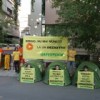
ROMANIA: Digging Gold With a Cyanide Lining
Canadian company Gabriel Resources has managed to resurrect a cyanide-based gold exploitation project which had been declared illegal in courts, and is opposed by most Romanians.EUROPE: ‘No’ to GM Could Conceal a ‘Yes’
Genetically modified (GM) foods will be introduced more quickly in Europe as a result of a new proposal, some Brussels officials fear.BALKANS: Economic Crisis Takes Harsh Toll
It's been quite a while since Mevliha Cebo enjoyed the job she was educated for: a pre-school teacher in her native Sarajevo.
ICELAND: The Ash Comes Down Like a Blessing to Some
"It's unbelievable, the eruption has had a very good effect on the grass," says farmer Finnur Tryggvason in Raudafell, just beneath the Eyjafjallajokull glacier that erupted in April and continued till late May.CZECH REPUBLIC: Women Resist All-Male Cabinet
Women’s rights campaigners say the Czech Republic’s new government has effectively told women they have no relevance to the country’s future after the new cabinet was formed – without a single female minister.KGB Back in Fashion in Ukraine
Regular police torture of suspects, a crackdown on press freedom and the right to assembly, and a return to KGB methods of intimidation and forced collaboration are part of "alarming" breaches of human rights in the Ukraine, international and domestic rights groups have warned.Swiss Knives Out for Migrants
The disputed 'black sheep' placards may soon return to Swiss streets. The country's Federal Council and parliament have validated a right-wing initiative calling for the automatic deportation of criminal foreigners.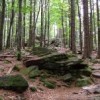
GERMANY: Nature vs. Nurture in Forest Recovery
Amidst criticism and applause from environmentalists and experts, a programme is emerging in Germany to expand the total area covered by forests -- to as much as five percent of national territory. The debate centres on just how much human intervention there should be.‘This Is Worse Than Guantanamo’
A former Guantanamo Bay prisoner at a refugee detention centre in Slovakia has said he is prepared to die in hunger strike after living five months in conditions he says are worse than in the infamous U.S. prison.EAST EUROPE: Healthcare Ails as Doctors, Nurses Emigrate
Senior medical figures in Eastern Europe have issued stark warnings that the region's healthcare sector is both unstable and unsustainable as health workers continue to leave in droves for jobs abroad.
Q&A: Laying to Rest the Ghosts of the Past – With Truth
This year marks 15 years since the bloody war in Bosnia - Herzegovina (BH) ended. Apart from the 44-month siege of the capital of Sarajevo by Bosnian Serb forces there was the massacre of some 8,000 Bosniak Muslim men and boys after the United Nations-protected enclave of Srebrenica fell into their hands.
FRANCE: Migrants’ Remittances Are a Cash Cow
Immigrants in France send some eight billion euro (9.6 billion US dollars) a year back to their countries of origin, often paying exorbitant fees - though the French government has announced moves to lower tariffs.Corporate Greenwash at EU Environment Meet?
Coca-Cola, recently indicted for causing serious damage to water and soil in India, might seem like an odd champion of environmental protection.Teenage Pregnancies Soar as Church Looks the Other Way
Pressure from the Catholic Church to effectively stop sex education in schools is threatening the health of tens of thousands of teenagers who fall pregnant every year because they have little or no knowledge of safe sex, education groups in Poland have warned.
ITALY: Building a Sustainable Future With Straw and Wood
Pescomaggiore village, destroyed by the earthquake that hit the mountain region of L'Aquila in central Italy on Apr. 6, 2009, is now being rebuilt by its 40-odd inhabitants with straw and wood.ITALY: Daring to Put Mafia Assets to Social Utility
In the small town of Corleone in central Sicily, 13 people, five of whom suffer from psychiatric distress, run a farm on lands confiscated from the Cosa Nostra, the Sicilian mafia.« Previous Page — Next Page »


The Week with IPS

NEXT STOP - SDGs
Tracking global progress towards a sustainable world
Tracking global progress towards a sustainable world
