Languages
Sunday, October 25, 2026



News and Views from the Global South
Global

Youth Speak Out Against Big Tobacco
Each year, millions of children worldwide fall prey to the targeted tactics of the tobacco industry in its attempts to lure new customers. This year’s World No Tobacco Day (May 31), aptly themed “Protecting children from tobacco industry interference”, saw global youth unite to confront the pervasive influence of Big Tobacco.
Quiet Revolution Underway as IFAD’s Innovative Solutions Rise to Global Rural Challenges
Technology and innovation are at the center of the International Fund for Agricultural Development’s strategy to fulfill its global mission to eradicate poverty and hunger in the developing world, IFAD’s President Alvaro Lario told IPS in an exclusive interview.
European Nuclear Deterrent a Harebrained Illegal Proposal
It is quite astonishing and clearly insane, that Manfred Weber, the German leader of the European Union’s center-right European People’s Party, now expected to come in first in the European Parliament election scheduled on June 6-9th, is calling for the EU’s own nuclear “deterrent”—arguing that the US-stationed nuclear weapons in five NATO states, Germany, Italy, Belgium, the Netherland, and Turkey, may be inadequate protection for Europe’s security should Trump, that great friend of Russia, be elected!
World Environment Day: UN Secretary-General Reckons with ‘A Moment of Truth’ on Climate Action
Coming at a time of record-breaking global temperatures over the last twelve months, the UN chief calls on world leaders, including the G20 and G7 members, to commit to their climate action goals as laid out in the Paris Agreement. Experts across multiple industries are also encouraged to do their part to mitigate the impact of the climate crisis.
Peace or No Peace, Israel Stands Accused of Genocide & War Crimes in Gaza
The Biden administration, which is frantically attempting to finalize a shaky peace agreement between Israel and Hamas, is being stymied by at least two far right-wing politicians in Netanyahu’s cabinet—Foreign Minister Bezalel Smotrich and National Security Minister Itamar Ben Gvir—and also by the Israeli Prime Minister himself who wants to totally eradicate Hamas before he agrees to a cease-fire.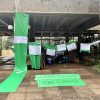
Biodiversity Meetings in Nairobi End, All Eyes Are Now on COP16
Regions struggling to revise and update their National Biodiversity Plans aligning them with the Global Biodiversity Framework adopted at COP15, will now be given the technical and scientific support to develop and submit their plans on time. This was one of the key decisions of the 4th meeting of the Subsidiary Body on Implementation (SBI)—the crucial pre-COP meetings of the United Nations Convention on Biodiversity (UNCBD)—to review the status and challenges of implementing the Global Biodiversity Framework (GBF), which started on May 22 and ended in Nairobi late in the evening of May 29, 2024.
The Dilemma for Small Island Developing States: Recovery or Development?
“We are facing unenviable decisions, between the recovery of today or the development of tomorrow”. These were the words of Fiamē Naomi Mataʻafa, of Samoa at the opening of the 4th International Conference on Small Islands Developing States (SIDS4).
Why Protection & Participation of Children Must be Elevated at the UN Summit of the Future
The United Nations will hold the Summit of the Future on September 22—23 this year, during its annual General Assembly. Heads of state and government and their representatives will gather at the UN headquarters in New York, to discuss, agree on, and endorse a multilateral, action-oriented “Pact for the Future” intended to “protect and enshrine the rights of future generations”.
Plastic Soup, Plastic Islands: How Small Island Developing States can end Plastic Pollution
Scattered over the vast area of our oceans, Small Island Developing States (SIDS) are often pictured as blue, serene and beautiful paradises. However, we are risk losing the beauty of these islands, due to the triple threats of climate change, loss of biodiversity, and pollution, especially marine plastic debris.
South Suffering Due to Powerful Nations’ Policies
The World Bank expects the international economic slowdown to be at its worst in over four decades in 2024. This is mainly due to powerful Western nations’ contractionary macroeconomic and geopolitical policies.
To Tackle Climate Crisis, the World Bank Must Stop Financing Industrial Livestock
Last week, the World Bank Group released a new report that highlights the urgent need to drastically reduce GHG emissions to address the climate crisis and calls on countries to act. However, while the World Bank’s acknowledgment of the damaging climate impacts of industrial agriculture is a crucial step forward, it’s simply not enough.
Let the Dead Speak: Forgotten Workers
Immigration policies are among the most hotly debated topics in Europe. Xenophobia, combined with curbing immigration, have become the main reason to why ever-increasing large crowds of voters are supporting populist parties.
Explainer: Understanding Carbon Trading and its Rationale
Carbon trading has gained growing popularity on the African continent and is considered by many governments as a viable way to achieve their climate targets while building communities. IPS takes a look at what's behind the carbon market.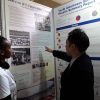
Lessons From Youth-Focused ‘Future Action Festival’ Ahead of UN Summit of the Future
The world has crossed the halfway point to the end of the Sustainable Development Goals (SDGs) era amid multiple, unprecedented, and significantly destructive global shocks. Two of the most pressing global challenges are the climate crisis and the threat of nuclear armament. Of serious concern is a severe lack of youth engagement on issues of critical global importance. Speaking to IPS during the 2024 UN Civil Society Conference, the outcome of which will inform high-level discussions when the UN hosts hundreds of world leaders, policymakers, experts, and advocates in September at the Summit of the Future in New York, Tadashi Nagai stressed the importance of coalition and movement building and youth engagement to escalate progress towards attainment of the SDGs.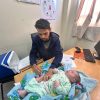
International Community Urged to End Impunity for Violence Against Healthcare in Conflicts
Governments and international agencies must do more to end impunity for violence against healthcare, campaigners have urged, as a new report shows that attacks on healthcare during conflicts reached a new high last year.
Small Island Developing States can be Nature-Positive Leaders for the World
Small island developing states (SIDS) are scattered across the globe, dotting the Pacific Ocean, the Caribbean, the west and east coasts of Africa and the Indian Ocean.
ICC War Crimes Charges a Milestone but Falls Far Below Expectations
The ICC Prosecutor’s applications for arrest warrants regarding the Situation in Palestine represent a milestone. But they are of little credit to Prosecutor Karim Khan.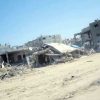
ICC Move to Seek Warrants for War Crimes in Gaza Triggers a Backlash from US
The International Criminal Court’s (ICC) decision to seek warrants on Israeli Prime Minister Benjamin Netanyahu and his Defense Minister Yoav Gallant has triggered a strong backlash both from the Biden administration and a group of pro-Israeli Senators in the US Congress. The names in the ICC arrest warrants also include Yahya Sinwar, Mohammed Diab Ibrahim Al-Masri (Deif) and Ismail Haniyeh—all leaders of Hamas.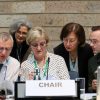
Biodiversity Meet Suggests New Guidelines on Synthetic Biology Amid Persisting Questions
After a week-long discussion by delegates from 196 countries, the 26th meeting of the Subsidiary Body of Scientific, Technical, and Technological Advisors (SBSTTA) of UN Biodiversity has concluded with a set of recommendations on several issues, including living modified organisms (LMOs) and synthetic biology. All nations must consider the recommendations, discuss them, and possibly adopt them at the Biodiversity COP in October. However, many questions remain unanswered and unclear.
International Diplomat Erik Solheim on Politics, Climate Change, Much-Needed UN Reform and Trump
Erik Solheim, a senior internationally renowned politician and diplomat, has long been an advocate for combining development assistance with private investment and better taxation systems in recipient countries.
Billions will Vote this Year – LGBTIQ+ People Must not be Excluded
This year has been called the ‘super election’ year, with 3.7 billion people potentially going to the polls. This historic political moment is also an opportunity to reflect on what these billions of voter experiences will look like. Who will vote, who can run for office and who might be excluded from the political process?« Previous Page — Next Page »





The Week with IPS

NEXT STOP - SDGs
Tracking global progress towards a sustainable world
Tracking global progress towards a sustainable world
