Languages
Thursday, October 15, 2026



News and Views from the Global South
Latin America & the Caribbean
Latin America & the Caribbean in 2024: Renewable Energy and Early Warning Systems Offer Hope Amid Climate Extremes
Hope in the face of climate extremes. That is the overarching message about the State of the Climate in Latin America and the Caribbean in 2024.
Royalties, a New Indigenous Right for Hydroelectric Damages in Brazil
Indigenous peoples in Brazil have won a new right: a share in the profits of hydroelectric plants that cause them harm when built on or near their lands.
Food Security and Water, a Priority for Border Towns in Central America
The hope of Salvadoran Cristian Castillo to harvest tomatoes in a municipality of the Central American Dry Corridor hung by a thread when his well, which he used to irrigate his crops, dried up. However, his enthusiasm returned when a regional project taught him how to harvest rainwater for when the rains begin in May.
Award Winning Women Goat Herders in Chile Confront Climate Change
Women goat herders in the municipality of Ovalle, in northern Chile, are confronting climate change by defending their heritage through improvements in the quality and variety of their products, which has led some to win international awards for their cheeses.
Argentina is Experiencing an Oil Boom, with Bright Spots and Shadows
For about three years now, Argentines have been hearing almost every month that oil production is breaking new records. Looking ahead, the country is projected to become a major global supplier of what remains the most sought-after energy source.
Surges in Violence in Haiti Push Basic Services to the Brink of Collapse
In 2025, the humanitarian crisis in Haiti has grown increasingly dire amid the ongoing gang wars. With rates of displacement, child recruitment, food insecurity, physical violence, and sexual violence having skyrocketed in the past year alone, the national police have found it difficult to keep gang activity under control.
Solar Energy Sustains the Development of Amazonian Communities in Brazil – VIDEO
 Electricity is essential for the well-being and prosperity of traditional riverside communities in the Amazon, as demonstrated by the experience of the Santa Helena do Inglês community, located on the right bank of the Negro River in northern Brazil.
Brussels Show Offers Diverse View of Art History
It’s like walking through several psychedelic halls of history, where bold colours, electrifying compositions and contagious rhythms hit the senses all at once.
Water Supply Issues Keep Flowing in Cuba
Problems such as hydraulic network breakdowns, water lost through leaks, power outages, and even fuel shortages are making access to water supply services difficult for the population in Cuba
Hortolandia Emerges as an Energy and Environmental City in Brazil
Almost everything seems new or under construction in the southern Brazilian city of Hortolandia, from its wide avenues and cable-stayed bridge to its large buildings and riverside parks.
Mexican Electric Vehicles Struggle to Accelerate
Mexico has seen several attempts at assembling electric vehicles (EVs), powered by rechargeable batteries, which have faced challenges related to industrial scale, supply chains, and competitiveness
The Caribbean Mourns Loss of a Singular Writer
Jamaican writer Velma Pollard provided a special kind of sunlight in the Caribbean literary space. Known across the region for her warm personality and welcoming nature, she also defied simple classification as she shone beyond genre. The work she has left behind encompasses short stories, poetry, academic writing, and novellas. She was also a keen naturalist photographer.
CARICOM Leaders Take Steps to Tackle Crime, Climate, Trade and Food Crises
CARICOM leaders wrapped up a crucial meeting on February 21, reaffirming their commitment to tackling pressing regional challenges with unity and resolve. From crime and security to education, trade and climate change, the leaders highlighted the need for decisive action amid global uncertainties.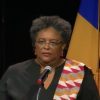
Food, Water, Crime, Climate Change: CARICOM Leaders Begin 48th Conference with Commitment to Joint Action on Critical, Common Concerns
Leaders of the Caribbean Community (CARICOM) are meeting in Bridgetown from Feb. 19-21, as the world grapples with multiple crises, including escalating geopolitical conflicts, climate change and rising food insecurity.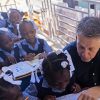
Sexual Violence and Displacement: Disproportionate Threats to Children in Haiti
As ongoing gang violence and unrest bring down the living conditions in Haiti, humanitarian groups sound the alarm on human rights violations and the increasing challenges they dace in providing relief efforts.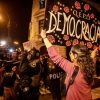
What is Not Good for Democracy in Peru is Not Good for Women
"We are facing a deeply conservative government that is opening the doors to all kinds of setbacks. We have a failed state with a democracy that is no longer a democracy," said Gina Vargas, a Peruvian feminist internationally recognized for her contributions to women's rights.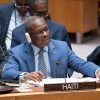
Haitian Government Faces Criticism for its Response to Gang Attack in Kenscoff
The humanitarian situation in Haiti continues to deteriorate as armed gangs expand their control in Port-Au-Prince and escalate acts of violence throughout the nation. Due to heightened insecurity, civilian displacement has reached new peaks, with hunger, disease, and the economic crisis having grown worse. With access to basic services diminished, approximately 5.5 million Haitians are dependent on humanitarian aid for survival. However, relief efforts have been severely hampered due to safety risks, restricted mobility and the vast scale of needs.
Venezuela: The Democratic Transition That Wasn’t
Venezuela stands at a critical juncture as Nicolás Maduro begins a controversial third term as president. His 10 January inauguration, following a post-election period marked by widespread protests against election fraud and heightened repression, represents a significant setback for democratic aspirations in a country devastated by years of economic collapse and political oppression. Maduro’s confirmation at the helm is the latest chapter in a decades-long process that has transformed Venezuela from a beacon of leftist democratic aspirations into a full-blown authoritarian regime, where the last shred of legitimacy – popular election – has now vanished.
Mexico’s New Economic Plan Lacks Energy
This January, Mexico has embarked on a new industrial path for the next six years, where the viability of its energy component faces fundamental challenges that put it at risk.
Brazil to Free Classrooms from the Invasion of Mobile Phones
It was necessary to repel the "invasion" of mobile phones in Brazilian classrooms, even to spark a debate about the use of technology in education, according to Silvana Veloso, an educator with extensive experience on the subject.
The “Fierce Urgency of Now”– to Reverse Course in Haiti
As we commemorated Dr. Martin Luther King Jr.’s Day on January 20, 2025—a day that also marked America welcoming its newly elected president—we honor the legacy of this civil rights leader by reflecting on his powerful words: “We are confronted with the fierce urgency of now.”« Previous Page — Next Page »





The Week with IPS

NEXT STOP - SDGs
Tracking global progress towards a sustainable world
Tracking global progress towards a sustainable world

