Languages
Monday, October 19, 2026



News and Views from the Global South
Azerbaijan

Mercury Pollution: A Global Threat to Oceans and Communities
Mercury pollution from burning coal is contaminating our oceans and seafood, threatening global health.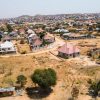
Housing for Tomorrow: Sustainable Solutions from Habitat for Humanity
In the face of a growing climate crisis, the connection between housing and environmental sustainability is becoming increasingly urgent.
Money Talks: Why COP29 New Collective Quantified Goal on Climate Finance Matters
The industrial revolution set the ball rolling towards global warming. Today, developing nations are on the frontlines of a climatic carnage and its snowballing effects. Developed nations bear a financial responsibility to provide climate finance to developing nations, as financing the transition to a low-carbon economy is an urgent, critical matter.
Explainer: Taxes on Cryptocurrencies and Plastics To Boost Climate Finance
The global climate aid fund is not the only option discussed at the World Climate Change Conference (COP29). Imposing a new tax on cryptocurrencies and the plastics industry could help close the money gap needed to address the impacts of climate change, especially in the countries of the Global South.
The Soil Mechanic: A Farmer’s Tale to Save Soil and Lives
In the heart of southern India lies an inspiring tale of determination, resilience, and an unyielding commitment to sustainable farming. This is the story of Anand Ethirajalu, who turned his childhood curiosity about food adulteration into a life mission to transform agriculture and protect human lives.
Survival at Stake: Caribbean Calls For Just, Fair Financing For Small Island States at COP
Communities living in Small Island Developing States (SIDS) pay the price of climate change in lives, livelihoods, and stunted sustainable development. Representatives from Caribbean islands have repeatedly expressed this ongoing concern at COP29.
Rebuilding Trust, Dialogue, Collaboration Key to COP29’s Success, Says Barbados Minister
"This Finance COP has to deliver. I think this is a crucial moment for the COP process," said Shantal Munro-Knight, Barbados Minister in the Prime Minister’s Office. Barbados, a nation at the forefront of climate advocacy, continues to push boundaries at COP29, the so-called Finance COP. Knight shared her views on the state of negotiations, the urgency of climate finance, and the innovative solutions her country is championing.
Methane Mitigation at COP-29—Pathways to Climate Action
Methane emissions have emerged as a focal point of discussion as global leaders congregate at COP29 in Baku to tackle the escalating climate crisis.
COP29 Must Set New Global Climate Finance Target, Says UNDP Adaptation Head
Empowering communities, fostering innovation and integrating socio-economic contexts into climate strategies are crucial for effective adaptation to climate change, says Srilata Kammila, Head of Climate Change Adaptation at the United Nations Development Programme (UNDP). In an exclusive interview with Inter Press Service, Kammila shed light on the agency’s pioneering approaches to locally-led climate adaptation.
Peace Talks—Delegates Turn To Climate Summit for Insights Into What Really Makes People Safe
At a time when the COP29 summit is primarily focused on climate finance as a tool to cool catastrophically high global temperatures and reverse consequences for all life on earth, delegates—alarmed and concerned by the state of world peace and stability—are seeking ways to enhance safety.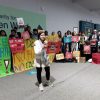
Youth Protest at COP29: ‘We Will Not Standby to Inherit Dead Planet’
“We cannot rely on capitalistic logic to serve our fight for liberation. More investments will not build houses after floods because it's not profitable. Corporations will not overthrow the industrial-agricultural complex that is completing our assault.”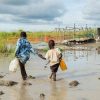
Children’s Needs Due to Climate Change, Conflict Often Ignored in Negotiations
As the world grapples with ongoing armed conflicts, from Ukraine to Gaza, advocacy for a more proactive approach to understanding and effectively responding to the needs of children affected by both armed conflict and climate-induced crises is growing.
Breakthroughs, Setbacks in COP29’s First Week of Ambitious Pursuit of Climate Consensus
It has been a high-profile packed agenda in Baku, Azerbaijan, marked by milestone events designed to complete the first enhanced transparency framework and the new collective quantified goal on finance, among other top priority matters.
Climate Change Threatens Our Existence, Says Indian Spiritual Leader Sadhguru
A sudden flurry of activity as Jagadish Vasudev, known widely as Sadhguru, emerges from an interview room in the COP29 media centre. It's early days of the conference and there is energy and excitement at the venue in Baku.
Climate Finance Loans a Disaster for Climate-Burdened African Communities
African environmental activists at the ongoing climate summit (COP29) in Baku have called on climate financiers to stop suffocating poor countries with unbearable loans in the name of financing climate adaptation and mitigation on the continent.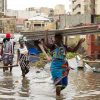
Robust Negotiations Still Needed to Push Rich Countries to Honor Financial Commitments
The irony is that whatever the stakes, finance always features as the “crying onion” at each COP. Hence for the COP29, dubbed the finance COP, no wonder we reach an ocean of tears—especially in view of the current geopolitics, when the world is facing the likelihood of having its historically biggest financial contributor on climate pull out.
Women, Indigenous Communities Must Lead Climate Finance Allocations at COP29—Plan International Global Director
Plan International, a global leader in advocating for children’s rights and gender equality, sees the need for women and Indigenous people to be at the forefront of climate negotiations.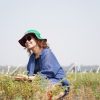
CGIAR Developing Farmers’ Resilience in the Face of Climate Shocks
As COP29 negotiations continue in Baku, agricultural leaders are pitching the need for climate-resilient and data-driven solutions to support marginalized farmers and low-income communities.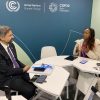
Building Resilience: Spotlight on Poorest, Rural Communities Amid COP29 Competing Priorities
Life in remote, marginal areas, drylands and deserts is increasingly becoming difficult because rural people are in the crosshairs of an unprecedented climate onslaught. A substantial number of lives and livelihoods are on the line, as nearly half of the world's population, 3.3 billion, lives in rural areas and 90 percent of them are in developing countries.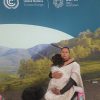
Walking with Wisdom: Whaia’s Mission to Bring Indigenous Knowledge to COP 29
Kaitiaki! Whaia says she is at COP29 to bring indigenous wisdom to influence policy and to provide guardianship (kaitiaki) of the climate negotiations.
From the Biodiversity COP16 to the Climate COP29: Building Equitable Accountability, Alignment, and Adequacy on Finance
The United States just went through its most consequential election. While the outcome raises questions about what the re-election of Trump means for U.S. engagement in global climate talks moving forward (in view of his previous stunt), the game is still on, with or without him. Despite the challenges, local communities, cities, states, private actors, and the public more broadly have embarked on an unstoppable journey—upholding the spirit of the Paris Agreement.« Previous Page — Next Page »





The Week with IPS

NEXT STOP - SDGs
Tracking global progress towards a sustainable world
Tracking global progress towards a sustainable world
