Languages
Friday, October 23, 2026



News and Views from the Global South
City Voices: The Word from the Street
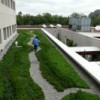
MEXICO: Green Therapy on the Rooftops
In the last two years a Mexico City hospital, kindergarten and municipal government office building have experimented with plant-covered rooftops. Today, workers and visitors are enjoying the benefits.ARGENTINA: Kidnappings, Threats Target Child Rights Campaign
Youngsters involved in a network of social organisations working with street kids and disadvantaged youths, as part of its "Hunger Is a Crime" campaign, have been the targets of eight kidnappings and dozens of death threats in the last 16 months.
U.S.: Levee Uncertainty Weighs on Katrina’s Displaced
Today, the population of New Orleans is still about 175,000 people fewer than it was before Hurricane Katrina hit four years ago next month. Along with concerns about jobs and housing costs, the city's vulnerability to flooding has weighed heavily on the minds of many evacuees, many of whom have not returned.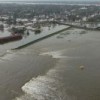
U.S.: Four Years Post-Katrina, Levee Protection Still Elusive
Four years after Hurricane Katrina, there have been some significant improvements to the levees of New Orleans. However, even with work scheduled to be completed in 2011, advocates say the U.S. government has left the standard of protection at dangerously low levels.
ENVIRONMENT-BRAZIL: Red Card for Porto Alegre?
The southern Brazilian city of Porto Alegre, a pioneer in participatory budgets and environmental policies, and habitual host of the enormous World Social Forum, has returned to the international stage.ENVIRONMENT-BRAZIL: Take the Squeaky Clean Hydro Bus
The government of the state of Sao Paulo in southern Brazil has launched the first hydrogen-fuelled bus in Latin America - the first step towards environmentally sustainable public transport of the future.HEALTH-ARGENTINA: H1N1 Flu Puts Cheek Kiss Greeting on Hold
These days, people in the Argentine capital are largely avoiding the traditional greeting: a peck on the cheek. Doctor's orders, amidst the fast spread of the H1N1 influenza virus, otherwise known as swine flu.CHILE: Alternative Media Have Their Network
The recently created People's Media Network of Chile seeks to forge links that will strengthen newspapers, web sites and radio and TV stations that give a voice to those who are basically ignored by the mainstream media.LABOUR-URUGUAY: Stitching a Future Together
The group of women cross this Uruguayan town every morning, some on bike and some on foot, on their way to CODEMUR, a women’s cooperative that resurrected a garment factory abandoned by its owners.
BRAZIL: Women ‘Peace Workers’ in the Favelas
It’s another day marked by gunfire in the Morro da Providencia "favela", one of the most dangerous slums in this Brazilian city, and the only area where people can move around in relative safety is in the lower part of the neighbourhood, towards the foot of the hill.MEDIA-CHINA: Government Attempts to Block “Harmful Content” Thwarted
Beijing’s last minute climb-down on its latest Internet-censorship effort this week highlights the possibility that Chinese communist mandarins’ main challenge in the future lies not in quelling political dissent, but reigning in its tech-savvy educated elite.
ARGENTINA: Huge Loan to Flow into ‘Open Sewer’ River
Local residents and environmentalists are eyeing with cautious optimism a major loan from the World Bank to the Argentine government to clean up the Matanza-Riachuelo river that runs through Buenos Aires - the country's most polluted waterway.HEALTH-BRAZIL: Birth Centres vs. Hospitals
The recent closure of a birth centre, which offered a more "human" touch with its focus on natural childbirth, in this Brazilian city revived the controversy over such practices, which have the backing of the Health Ministry but are opposed by the medical associations.
MEXICO: Scientists and Communities Forge Eco-Alliances
Graciela González answers phone calls, organises meetings and gives interviews as part of her work to save a river from ecological disaster. Thousands of kilometres away, farmer Gonzalo Rodríguez helps take air samples in a region polluted by petrochemicals.
ARGENTINA: Out of the Frying Pan and Into the Engine
A town in Argentina has launched a programme that requires restaurants and other food producers to hand over their used vegetable oils to be distilled into biodiesel, which will be used to run the city's vehicles and public transportation.
BRAZIL: Nature Paths Instead of Wall for Rio Slum
Representatives of the Rocinha slum and the Rio de Janeiro government have agreed to replace a high wall, intended to prevent this densely populated hillside neighbourhood from spilling into the forest, with ecological paths, parks and low walls.ARGENTINA: Drumming Up Black Awareness
Argentina’s small black community, ignored by historical constructions that have traditionally focused on the influence of European immigration, is now fighting for recognition of its contribution to culture in the Argentine capital.
SOUTH KOREA: Schoolgirls at Forefront of Street Protests
Hundreds of teenagers, many of them female, were out on the streets Wednesday demanding a public apology from the Lee Myung-bak government for the tragic death of former president Moo-hyun Roh, who committed suicide last month.EDUCATION-URUGUAY: Teaching Kids Forced to Grow Up Early
Tough and aggressive, 13-year-old José is a leader among his peers, and his classmates steer clear of him when he’s in a bad mood. When IPS visited his school in the Uruguayan capital, he wasn’t in his sixth-grade classroom with the rest of the students, but alone on the patio, which his head hanging down.
DEVELOPMENT: Local Currencies Really Can Buy Happiness
In the face of an economic system which seems to be premised on environmental harm and profit-driven growth, a handful of communities across the U.S. and the globe have begun experimenting with alternative forms of local currency as a pathway to sustainability.
EGYPT: ‘They Ogle, Touch, Use the Filthiest Language Imaginable’
As night falls over Egypt’s capital, youth gather along the banks of the Nile where a carnivalesque atmosphere prevails.« Previous Page — Next Page »





The Week with IPS

NEXT STOP - SDGs
Tracking global progress towards a sustainable world
Tracking global progress towards a sustainable world
