Languages
Friday, October 23, 2026



News and Views from the Global South
ICTs and Clicks
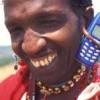
AFRICA: ‘Welcome to My Taxi – Let’s Do Business with My Cellphone’
In cities across Africa, being an entrepreneur requires no office, business card or investors. All it takes is a cell phone, according to Adele Botha, a researcher at the Council for Scientific and Industrial Research (CSIR) in South Africa.BRAZIL: Young Indigenous Hero Teaches History in Video Game
Computer game technology can have an impact on the way we view the world. In a new video game developed in Brazil, a young indigenous boy named Jeró helps break down the stereotypes of the worldwide video game industry while teaching about the history of colonialism.
SINGAPORE: Drumming Up Youths’ Support in Anti-trafficking Campaign
A small group of students gathered, drawn like butterflies to the sweet sound of soft rock and pop music. Home to one of the most vibrant student communities in Singapore, Ngee Ann Polytechnic is no stranger to loud music and louder fashion sense. What was unusual for the crowd, though, was the concert’s mission – to drum up youths’ support against human trafficking.THAILAND: Three Years On, Cyber Crime Law Stifling Debate – Critics
Many netizens worldwide have long realised that the Internet is not completely without fetters, but those in Thailand say a three-year-old law is now practically choking Thai self-expression and right to information in cyberspace.THAILAND: ‘Reforms’, Emergency Situation Weigh Heavily on Media
Thailand's media are not very happy these days, and it's not only because of an emergency decree that turns three months old next week.CHINA: Cyberlives Thrive Under the State’s Watchful Eyes
Twenty-four-year-old Li Jun sits where he sits most nights of the week, in front of a computer in his local Internet cafe in the east of the Chinese capital, playing ‘World of Warcraft'.MALDIVES: Education Reforms Herald Digital Learning, Radical Changes
When students walk into the Majeediya Boys School in this capital of the Maldives every morning, they are invariably drawn to the digital notice board in the courtyard that carries important announcements.URUGUAY: Incubating Businesses and ICT Job Prospects
"Without this opportunity, I might never have been able to get a higher education," says Paolo Carabajal, one of the beneficiaries of a digital development plan in this city in northwestern Uruguay.ASIA: English-Language Media a Double-Edged Sword?
The English language, as a medium for reporting in the region, is both a boon and a bane for many countries in the Asia-Pacific region in terms of getting ‘heard' or generally being ignored by the global community.MEDIA-ASIA: Parents Try to Keep Up with Net-savvy Youngsters
Many parents are scratching their heads as they watch youngsters in the Asia- Pacific region create often-private online worlds, feeling lost over how to be a part of it and oversee their Internet lives.THAILAND: Media Crackdown a Mistake, Say Analysts
For press freedom advocates, it was bad enough, though not totally surprising, to hear that the government had shut down the opposition media amid the state of emergency in the Thai capital. But alarming to them is the gagging even of independent news sites.CUBA: Skilful Surfing by Digital Culture Project
Buoyant in the storm and sailing for new horizons, the Cuban cultural project Esquife (Skiff) has spent over a decade navigating the rough waters of thought-provoking digital journalism, stirring up opinions rather than wallowing in complacency.ZAMBIA: Bringing Phones to the Countryside
Cellular phones have quickly become a popular and effective means of communication in Zambia, but their use has been concentrated in urban areas. Government and NGOs are now trying to extend these services to rural people.SPAIN: A Princely Prize for Creators of Email, Cell-Phones
U.S. engineers Martin Cooper and Raymond Tomlinson, considered the fathers of the mobile phone and email, respectively, received Spain's prestigious Prince of Asturias Award for Technical and Scientific Research from Crown Prince Felipe on Friday.
DEVELOPMENT: Rural India Set to Ring in 3G Mobile Technology
As India prepares to roll out third-generation (3G) mobile services in the world's fastest growing telecom market, there are high expectations that it will benefit people in the vast, impoverished rural hinterland most.ENVIRONMENT-SOUTH AFRICA: Opportunities Spring From e-Waste
There was an audible gasp when Kirsten McIntyre told the audience that e-waste is the third fastest growing waste stream in the world, with between 40 and 50 million tons of computers, TVs and washing machines being "thrown away" each year.
MEDIA-ASIA: Senior Citizens Log On to the Wide, Wired World
They may be in their twilight years but Asia's senior citizens are not ready to be left behind — and forgotten — by the wide, wired world.Q&A: "Blogmailing" to Foment Debate on Cuban Filmmaking
Blogging has taught him to share his deepest concerns with people who think differently, to treat others and himself more compassionately, to learn from even the most impassioned disputes, and above all, to show that far from being the sole possessor of truth, he is desperately seeking it.
PERU: Rural Highlands Communities Coming Online
Little by little, rural communities in southern Peru are beginning to take advantage of the internet to acquire new knowledge and increase their income. But the use of computers in rural areas faces numerous challenges, from illiteracy to fear of the unknown or questions about the sustainability of these new communications initiatives once they are left in local hands.EDUCATION: Liberty, e-Quality, Humanity
This city of 100,000 people in the southernmost Brazilian state of Rio Grande do Sul is named after the leader of the 1835-1845 Revoluçao Farroupilha (Ragged Revolution), which under the slogan "Liberty, Equality, Humanity" resulted in the independence of the state from the Brazilian empire. At an international conference here today, peaceful revolutionaries are furthering similar ideals.
URUGUAY: Schoolgirls Access Computers but Can’t Shake Gender Stereotypes
The girls who attend the school of Villa García, a township on the outskirts of the Uruguayan capital, are still playing dolls and dress up - only now they do it on their laptop computers.« Previous Page — Next Page »





The Week with IPS

NEXT STOP - SDGs
Tracking global progress towards a sustainable world
Tracking global progress towards a sustainable world
