Languages
Wednesday, April 29, 2026



News and Views from the Global South
IPS UN Bureau Report
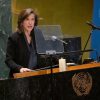
Antisemitism On The Rise Among Younger Generations
The United Nations (UN) held the annual Holocaust Memorial Ceremony on January 27 with the theme "Holocaust Remembrance for Dignity and Human Rights". This year - 2025 - marks the 80 year anniversary of the end of World War II and the liberation of Nazi concentration camps that resulted in the deaths of over 6 million Jews. This event included testimonies from Holocaust survivors, underscoring the importance of understanding and remembrance. With Holocaust denial and attacks on Jews on the rise, it is important to take meaningful steps as a society to combat racism and antisemitism.
Davos Leaders Pledge Support for Bangladesh Reform Agendas
As Bangladesh Chief Adviser Professor Muhammad Yunus emerged from a meeting during the World Economic Forum (WEF), Timor-Leste President Jose Ramos-Horta came forward to greet him, a demonstration of how warmly the global leaders and dignitaries received the person tasked with leading the interim government.
Rising Opposition Movement Looks to Political Renewal, Stemming Erosion of Democracy in Hungary
The Central European nation of Hungary is officially a democracy. But civil society, the media and democratic norms have increasingly come under threat as the Fidesz-KDNP coalition government, led by Prime Minister Viktor Orbán, has entrenched autocratic rule over the past 14 years. Now a new wave of energy and popularity is driving the younger opposition movement into the spotlight ahead of next year’s parliamentary election.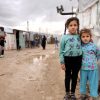
Report Exposes Silent Global Emergency as More Crises-Affected Children Need Urgent Education Support
A report released today on the International Day of Education sounds alarm as the number of school-aged children in crisis worldwide requiring urgent support to access quality education reaches a staggering 234 million—an estimated increase of 35 million over the past three years fueled by intensifying armed conflict, forced displacements, more frequent and severe weather and climatic events, and other crises.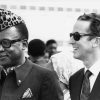
Should King Baudouin, DRC’s Last Sovereign, Be Beatified?
During his visit to the Kingdom of Belgium in September 2024, Pope Francis was full of praise for King Baudouin, who ruled Belgium for more than 40 years. The pontiff announced the start of the beatification process for the man who, on the Belgian side, ratified the Congo's act of independence on June 30, 1960.
A Dream Deferred: Why Is Traveling Across Africa So Hard for Africans?
Aliko Dangote, Africa’s richest man, carries his frustration as visibly as he carries his passport. To travel across the continent he calls home, he needs 35 visas—each a bureaucratic hurdle and a reminder of the barriers to free movement and trade in Africa.
Fallen Black South African Soldiers From World War I Finally Remembered
It was a solemn ceremony on a bright sunny day on the southern tip of Africa, in Cape Town’s company gardens, amid the grass wooden structures that stand out. The 1,700 carefully constructed brown wooden carvings are standing in a line. These structures represent a new Commonwealth War Graves Commission (CWGC) memorial, which honors the contribution of the hundreds of Black South African military laborers of the First World War. The CWGC remembers the fallen soldiers of both World Wars equally with this first permanent redress tribute.
The First Phase of Israel-Palestine Ceasefire Begins
On January 15, 2025, the long-awaited ceasefire proposal between Israel and Hamas was approved, bringing the first bout of relief for the people of the Gaza Strip after 15 months of conflict. This has allowed for the exchange of prisoners and hostages between the two nations as well as a greater flow of humanitarian aid to be directed to Gaza. Although this only accounts for the first phase out of the three phase plan, it is uncertain if Israel will continue to uphold the negotiations of a truce after the first phase is completed.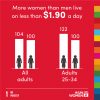
A World Where Rich Get Richer, Poor Get Poorer — and Billionaires Rise
Perhaps one of the UN's most ambitious and longstanding projects – the launching of 17 Sustainable Development Goals (SDGs)-- is aimed, among other things, at helping developing nations eradicate extreme poverty by 2030. But that elusive goal has made little or no significant progress.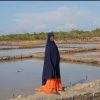
Pemba’s Woman Salt Farmers Forge Livelihoods Amid Climate Woes
As the cool morning breeze sweeps across the Indian Ocean beach in Tanzania’s Pemba archipelago, Salma Mahmoud Ali begins her day. With her brightly coloured Kikoi cinched tightly around her waist and a dark blue scarf framing her face, she walks barefoot toward her salt ponds. The humid air hangs, but Ali wades through ankle-deep water with courage.
Photo Essay: Kashmir’s Ingenious Climate-Responsive Architecture.
India's average temperature has risen by 0.7°C since 1901, bringing more frequent and intense heat waves, erratic rainfall patterns, and a marked decline in monsoon consistency since the 1950s.
Journalists Behind Bars: China, Israel & Myanmar the Worst Offenders in 2024
The year 2024 has been one of the most devastating for journalists covering conflicts worldwide-- with 361 behind bars, the second highest since the global record of 370 imprisoned back in 2023.
Israel and Palestine Secure Ceasefire Agreement After 15 Months of Conflict
A ceasefire agreement between the states of Israel and Palestine was reached on 15 January, 2025 , effectively putting an end to hostilities in the Gaza Strip. This comes after nearly 15 months of conflict, which has caused immense damage to Palestinian infrastructure, development, and civilian life. The three-phase plan proposed for the ceasefire agreement consists of the return of Israeli hostages, Palestinian refugees returning home, and the reconstruction of Gaza. Additionally, the ceasefire is expected to essentially put an end to the Israel-Hamas War and significantly mitigate the humanitarian crisis occurring in the Gaza Strip.
UN Claims to Strengthen Battle Against Racism in Workplace—Amid Reservations
As the United Nations plans to commemorate its 80th anniversary later this year, it is “reflecting on the steps taken to advance implementation of the Secretary-General’s Strategic Action Plan for addressing racism in the UN Secretariat. The UN’s Anti-Racism Office, which was created in 2023, has hosted several online events that reached over 13,500 participants and generated 2,000 comments, and welcomed 2,700 visitors to its iSeek page (accessible only by staffers)—possibly a reflection of the rising complaints and concerns of UN staffers.
African Countries Urged to Plug Wealth Loss, Stop Illicit Financial Flows
Africa loses billions of dollars annually through illicit financial flows, resulting in the continent failing to improve the lives of millions of people despite vast mineral wealth, according to experts. Agencies say more needs to be done to turn the continent's natural resources into prosperity at a time governments are struggling to address challenging economic conditions that have spawned high poverty levels.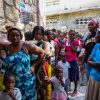
2024 Marked An Escalation in Brutality for Haiti’s Gang War
2024 was a transitional period in Haiti’s history, marked by rampant political instability, brutal gang violence, and widespread civilian displacement. Since the eruption of hostilities in March 2024, the Caribbean nation has been in a state of emergency. In response, the United Nations (UN) Security Council approved The Multinational Security Support (MSS) Mission in Haiti to assist the Haitian government in deposing gang activity and restoring order. However, the support mission has been largely ineffective as gangs continue to seize more areas in Haiti.
Armed Drone Attacks on Humanitarian Aid Efforts Put Future at Risk
Humanitarian aid operations in some places may become impossible in the future, experts have warned, as a new report shows a dramatic rise in the use of armed drones in conflict zones.
Laureates Call For Moonshot Innovation Effort to Avert Hunger Catastrophe
Neglected indigenous crops, rich in nutrition and resilient to climate change, are key to tackling global hunger only if governments invest in research and development (R&D) to tap the potential of such innovations. More than 150 Nobel and World Food Prize Laureates are calling for investment in moonshot technologies to realize the potential of innovative solutions such as these hardy crops, warning that without swift action, there is a "food insecure, unstable world.”
Malala: ‘Honest Conversations on Girls’ Education Start by Exposing the Worst Violations’
“She was at her brilliant best, speaking fearlessly and boldly about the treatment of women by the Afghan Taliban, robbing an entire generation of girls their future, and how they want to erase them from society,” said educationist and one of the speakers, Baela Raza Jamil, referring to the speech by Nobel Laureate and education activist Malala Yousafzai.
Unlocking SDG Success: How Better Data Can Develop Africa
That one in three Africans will not be counted as countries failing to meet census deadlines is a huge setback for development planning.
Geopolitical Uncertainties Cloud World Economic Prospects, UN Report Says
In the past few years, the world economy has made significant strides in mitigating inflation, unemployment, and poverty. Despite this, global growth has yet to regain its pace from before the pandemic.« Previous Page — Next Page »


The Week with IPS

NEXT STOP - SDGs
Tracking global progress towards a sustainable world
Tracking global progress towards a sustainable world
