Languages
Saturday, November 7, 2026



News and Views from the Global South
IPS UN Bureau
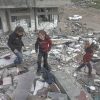
Essential Supplies Run Critically Low in Gaza While Displacement Soars
Since the deterioration of the ceasefire agreement between Israel and Hamas in March, the Israeli Defense Forces (IDF) have issued numerous evacuation orders and bombardments on the Gaza Strip, resulting in exacerbated rates of displacement and a significant amount of civilian casualties. Roughly two million Palestinians within the enclave struggle to stay alive amid repeated blockages of humanitarian aid.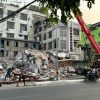
Shaken and Strained: Myanmar’s Earthquake Adding to the Misery of 4 Years of Conflict
As I walked through the streets of Sagaing and Mandalay, the scenes unfolding in the wake of the 7.7 earthquake were hard to comprehend. Tall buildings and hundreds of homes are now lying in rubble. Of those that are still standing, many are lurching at dangerous angles, defying gravity for now, but could collapse at any moment.
Four Rare Snow Leopards Spotted Together on Pakistan’s Northern Peaks
In a remarkable conservation achievement, four rare and elusive snow leopards have been spotted together in the rugged peaks of northern Pakistan, highlighting the success of the ongoing global efforts aimed at protecting this critically endangered species and preserving its fragile habitat.
Hooves Vs. Habitats: Striking a Sustainable Balance Between Livestock and the Environment Is Crucial to Africa’s Future
In my country, Senegal, almost 70 percent of our land is used to graze livestock. Here and across Africa, pastoralists and livestock keepers sustain herding systems which are closely bound up with our landscapes and crucial to nationwide food security, economic growth, and ecological balance.
Bringing Resilience to the Table to Achieve Development Goals
The global risk landscape is evolving at an unprecedented pace, posing significant threats to attaining the Sustainable Development Goals (SDGs). As extreme weather, macroeconomic shocks, conflict, and other risks intensify and intertwine, they can create ripple effects that amplify existing vulnerabilities and put both human and development progress in peril.
France to Break Away from UK & US While Recognizing Palestine as Nation State
France, a veto-wielding permanent member of the Security Council, the most powerful political body at the UN, is planning to break ranks with the other two Western members, the US and UK-- and recognize Palestine as a nation state. French president Emmanuel Macron was quoted as saying that France would recognize a Palestinian state within months, and suggested he could do it alongside a UN conference in New York in June.
Smallholder Farmers Are Not ‘Beneficiaries’, but the ‘Co-Creators of Change’
Eliud Rugut comes from generations of farmers, yet his family expected him to move out of their home and pursue another career.
Amputated Limbs, Enduring Pain: The Suffering of Syria’s War Wounded
The Syrian war has left countless Syrians with devastating injuries, ranging from limb amputations and burns to the loss of sensory functions. These injuries have profoundly impacted their lives, compounded by the limited attention and support they receive from civil society organizations.
The ‘Plastic Man’: Turning Trash into Treasure
In a quiet corner of Medina Gounass, on the outskirts of Dakar, Senegal, one man has taken it upon himself to breathe new life into a place many had abandoned.
ECOSOC Forum Highlights the Importance of Educational and Economic Empowerment for Youth
This year, the Economic and Social Council (ECOSOC) Youth Forum’s theme is “Youth at the Forefront: Leveraging Science and Social Inclusion for Sustainable Development”, bringing together government representatives, young leaders and policymakers among other relevant stakeholders, to deliberate over youth involvement in the ongoing efforts to implement the 2030 Sustainable Development Goals (SDGs).
While India’s RAMSAR Sites Tally Rises, Wetlands Remain Endangered
Late in February, India’s noted ornithologist and conservationist, Asad Rahmani, wrote a letter to a wildlife warden in north India expressing his satisfaction about the availability of water in four important wetlands in Kashmir, where migratory birds from central Asia and Europe arrive annually for wintering.
Food Insecurity an Unprecedented Crisis Worldwide
Last year, 343 million people were experiencing acute food insecurity, according to the World Food Programme (WFP). That’s 10 percent higher than in 2023.
Standing Firm: Civil Society at the Forefront of the Climate Resistance
The recent US court case that ordered three Greenpeace organisations to pay damages of over US$660 million to an oil and gas company was a stunning blow against civil society’s efforts to stop runaway climate change and environmental degradation. The verdict, following a trial independent witnesses assessed to be grossly unfair, came in reaction to Indigenous-led anti-pipeline protests. It’s vital for any prospects of tackling the climate crisis that Greenpeace’s appeal succeeds, because without civil society pressure, there’s simply no hope of governments and corporations taking the action required.
Genocide Prevention & Responsibility to Protect
April marks Genocide Prevention and Awareness Month, a time to reflect on the history, causes and victims of past genocides and to mobilize the necessary resolve to confront risks facing populations around the world today who face the threat of genocide and other mass atrocity crimes not for anything they have done, but for who they are.
Europe Is Now the Fastest Warming Continent—Report
It is now official that the European continent is experiencing the fastest rate of global warming, according to a new scientific report released by Europe’s Copernicus Climate Change Service and the World Meteorological Organization (WMO). Last year record temperatures, heatwaves, and floods unleashed a massive toll on infrastructure, cities, economies, and people’s lives and livelihoods in the region.
Andean Women Farmers in Peru Face Climate Crisis with Green Practices
"Up here in the highlands, there’s a lot of frost, and everything seems bleak. But I’m so happy since I got my greenhouse and started growing vegetables in a healthy way. I feel like we’re overcoming the challenges of the weather," Anacleta Mamani, a Quechua farmer from the community of Poques (about an hour’s drive from Cusco, the former imperial capital of Peru), told IPS.
CGIAR Gender Accelerator: A Tool to Advance Gender Equality Research in Agri-Food Systems
To advance the participation of women, the youth, and minority communities in the agricultural sector, measures must be taken to recognize and break down the barriers that hold them back. Experts in the agricultural sector agree that even as they constitute a significant percentage of the agricultural workforce, women face persistent challenges. The picture that emerges is a lack of due recognition of their presence and their challenges, such as limited access to resources and knowledge.
Want To Fix the World, Ubuntu (Humanity to Others) Can Help
The world needs an urgent fix and humanity could just be it.
Turkey’s Democratic Uprising: A Generation Takes a Stand
In the heart of Istanbul, a remarkable transformation is underway. What began as student protests following the politically motivated arrest of Mayor Ekrem İmamoğlu has evolved into Turkey’s most significant pro-democracy mobilisation in years. The streets that once pulsed with the routine of daily life now throb with the energy of millions demanding a return to democratic governance.
Netanyahu Refuses Calls to End the Gaza War as Palestinians Struggle to Survive
Since the breakdown of the ceasefire agreement between Israel and Hamas, the Gaza Strip has been subjected to significant bombardment and blockages of humanitarian aid. With aid deliveries having been halted from entering the Gaza Strip for over one month, roughly two million Palestinians have been relying on dwindling resources, facing heightened risks of malnutrition and disease.
Reflections on CGIAR’s Week-Long Discussions on Food System Science
More than 13,600 participants from around the world registered for the inaugural CGIAR Science Week at the UN Complex, Nairobi, April 7-12, 2025. Dr. Ismahane Elouafi, the organization’s Executive Managing Director, said, “This is a testament that people are thirsty for science and for good news.”« Previous Page — Next Page »





The Week with IPS

NEXT STOP - SDGs
Tracking global progress towards a sustainable world
Tracking global progress towards a sustainable world
