Languages
Sunday, October 4, 2026



News and Views from the Global South
Iran
Netanyahu Budging Slightly on Iran
Israel keeps urging the group of six major powers to agree nothing less than a full dismantlement of Iran’s nuclear capability. Yet Israeli Prime Minister Benjamin Netanyahu might have to come to terms with settling for an agreement which, though sustainable, falls short of his longstanding demand.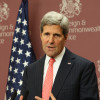
For U.S. in the Mideast, the Ice Is Getting Thinner
New and unexpected strains in Washington’s ties with two of its closest Middle Eastern allies -- Saudi Arabia and Turkey -- have underlined the difficult challenges the administration of President Barack Obama faces in navigating its way in the region’s increasingly treacherous and turbulent waters.OP-ED: The End of the Beginning
The talks between Iran and the P5+1 countries last week bring to mind Winston Churchill’s 1942 description of World War II: “It is not even the beginning of the end. But it is, perhaps, the end of the beginning.”
Iran Hawks Down but Not Out After Geneva Talks
Hopeful statements emerging from this week’s talks between Iran and the great powers have clearly set back foes of any détente between Washington and Tehran, but they are far from giving up the fight.
OP-ED: Collapsism
U.S policymakers indulge in a variety of child’s play called collapsism. They close their eyes when they want a particularly despised adversary to go away. And poof! Kim Jong Eun’s North Korea eventually disappears. Raul Castro’s Cuba eventually vanishes.
Iran Nuclear Deal May Have its Beginnings in Geneva
Talks between Iran and world powers known as the P5+1 over Iran’s nuclear programme wrapped up here Wednesday with expressions of encouragement and hope, a commitment to reconvene in just three weeks, and several welcomed “firsts”.
Geneva Talks Open amid High Hopes in Iran
Iran offered a new proposal in much-anticipated talks over its nuclear programme here Tuesday in a meeting with the P5+1 negotiating team comprising the United States, Britain, France, Russia and China, plus Germany.BOOKS: Containing Iran Is the “Least Bad Policy” for U.S.
The day that the much-heralded new round of nuclear talks between Iran and the P5+1 world powers opens might seem like the wrong day to pick up Unthinkable, Kenneth Pollack’s new exploration of what to do if talks fail.
Iran Talks to Resume Amid Guarded Optimism
Almost exactly four months after the election of Iran’s new president, Hassan Rouhani, talks over the Islamic Republic’s controversial nuclear programme will resume here on Tuesday.
Israeli Claim of Iranian ICBM Exploits Biased U.S. Intel
In an effort to provoke any possible opposition in U.S. political circles to a nuclear deal with Iran, Israeli Prime Minister Benjamin Netanyahu has returned to exploiting an old claim that Iran is building intercontinental ballistic missiles that could hit the United States.
Neoconservatives Despair Over U.S.-Iran Diplomacy
A week that began with a blistering denunciation by Israeli Prime Minister Binyamin Netanyahu of Iranian duplicity ended with diminished prospects for Israel to take direct action to address Iran's nuclear capabilities.OP-ED: Saudis Should Welcome a U.S. Move Toward Iran
Shortly after President Obama’s startling telephone conversation with Iran’s new president, Hassan Rouhani, a Saudi Arabian journalist wrote that “The phone call between Obama and Rouhani shocked the Gulf states, Jordan, Turkey, Israel, and other countries.” No matter which president initiated the call, he wrote, “What is important to know is what stands behind the conversation and how deep the ties are between America and Iran.”
Netanyahu Stakes Out Maximalist Position on Iran
Like the proverbial skunk at the garden party, Israeli Prime Minister Benjamin Netanyahu used his turn at the podium at the U.N. General Assembly Tuesday to pour scorn on Iran’s new president, 96 hours after a smiling Hassan Rouhani departed New York after a momentous four-day stay that raised unprecedented hopes for détente with the United States and the West.OP-ED: The U.S.-Iran Wrestling Match
From Tehran’s perspective, the current negotiations between Iran and the United States may be best described as a wrestling match.
U.S., Iran Trade Cautious Overtures at U.N.
While the U.S. and Iranian heads of state have yet to meet, the 68th session of the United Nations General Assembly may mark a new era between the two countries.
Speculation over Iran-U.S. Détente Continues Apace
On the eve of a possible – if seemingly accidental – encounter between U.S. President Barack Obama and Iranian President Hassan Rouhani in the corridors of the U.N. Secretariat building Tuesday, speculation over the possibility of détente between Washington and Tehran has become rampant.Hard Times for Iran Hawks
Just three weeks ago, Washington’s hawks, particularly of the pro-Israel neo-conservative variety, were flying high, suddenly filled with hope.
Mutual Interests Could Aid U.S.-Iran Détente
In the wake of a renewed diplomatic push on the Iranian nuclear front, shared interests in Iran’s backyard could pave the way for Washington and Tehran to work toward overcoming decades of hostility.OP-ED: Syria Has Become Iran’s Vietnam – Let’s Help It Escape
As if the Iran nuclear issue was not already difficult enough, it became even more complicated when Bashar al-Assad unleashed his chemical weapons across Damascus suburbs last month. Suddenly, the Syria issue is overshadowing all other factors concerning Iran.Syria Crisis Yet to Derail Iran Nuclear Talks
Even with potential U.S. strikes against Iranian ally Syria looming, Washington and Tehran appear to be preparing for the resumption of nuclear talks.Iran Looms over Syria Debate for Pro-Israel Groups
With Congress still deliberating over Barack Obama’s request for authorisation to take military action against Syria, the powerful Israel lobby here has taken the lead in pressing the president’s case.« Previous Page — Next Page »


The Week with IPS

NEXT STOP - SDGs
Tracking global progress towards a sustainable world
Tracking global progress towards a sustainable world
