Languages
Friday, September 18, 2026



News and Views from the Global South
Iraq

IRAQ: Religious Minorities Hit From All Sides
In the months leading up to the U.S. invasion of Iraq in March 2003, scholars from around the world urged the war planners in Washington to take steps to protect Iraq's priceless archaeological heritage.
IRAQ: A Little Easier to Occupy from the Air
Many Iraqis believe the dramatic escalation in U.S. military use of air power is a sign of defeat for the occupation forces on the ground.
POLITICS: Arms for Arab Authoritarians, As U.S. Turns Back Clock
Just 25 months after Secretary of State Condoleezza Rice denounced 60 years of U.S. support for authoritarian governments in Arab world, she and Pentagon chief Robert Gates are on their way to the Middle East bearing arms and an uncannily familiar strategic vision to the same regimes.ASIA: Iraq’s Fairytale Journey Gives Football a Shot in the Arm
Asia's premier football championship received unprecedented global coverage thanks to the fairytale journey of the national team from war-ravaged Iraq. On Sunday night, Iraq's footballers were crowned the new heroes of the region after defeating the more fancied Saudi Arabians in Jakarta.
POLITICS-US: Symbolic Vote Rejects Permanent Bases
A bill that would ban permanent U.S. military bases in Iraq overwhelmingly passed the House of Representatives on Wednesday.
FILM-US: A Blurry Line Between Propaganda and News
A shocking thing happens midway through Norman Solomon's documentary film "War Made Easy".IRAQ: Football Succeeds Where Politics Fails
An Iraqi football victory seems to have united Iraqis across the country where politicians only divide it.POLITICS-US: Bush Line Distorts Iran's Real Interest in Iraq
As U.S. and Iranian diplomats met in Baghdad Tuesday for a second round of talks on Iraq, the domestic U.S. political climate appears decidedly more supportive of an aggressive U.S. posture toward Iran than just a few months ago, reflecting the apparent triumph the George W. Bush administration's narrative on Iran's role in Iraq.IRAQ: Baquba Denied the Healing Touch
Diyala General Hospital in the provincial capital Baquba has been hit by severe lack of supplies amid ongoing attacks by militants.
HEALTH-US: Vets Sue Gov’t for “Shameful Failures”
Two veterans' groups sued the U.S. Department of Veterans Affairs (VA) in federal court in San Francisco Monday for alleged "shameful failures" to help tens of thousands of Iraq and Afghanistan war veterans who suffer from post-traumatic stress disorder, or PTSD.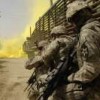
IRAQ: Living Becomes Hard in a Dead City
Life in the violence-plagued capital city of Iraq's Diyala province has become a struggle for day-to-day survival.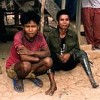
DISARMAMENT: Will U.S. Finally End Cluster Bomb Exports?
At the end of June, a few members of the U.S. Congress made a discreet move to limit this country's exports of cluster bombs, a weapon that has been used around the world since the Second World War to devastating humanitarian consequences.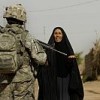
POLITICS-US: Partisan Lines Harden in Iraq Debate
After a week and a half of Senate debate, including an all-night session Tuesday, the possibility that legislation to de-escalate U.S. military intervention in Iraq soon could be adopted by a strong bipartisan majority appears to have receded, at least until mid-September, if not well into next year.POLITICS: Pakistani al Qaeda a Real Threat – US Intelligence
The United States intelligence community’s latest assessment of al Qaeda and the threat it poses to the homeland appears to have both renewed questions about the wisdom of invading Iraq and returned the spotlight to an increasingly strife-ridden Pakistan.IRAQ: Women Face Increased Violence in Kurdistan
Shawbo Rauf Ali, 19, clearly did not know that the picnic she was headed for would become a death trap. When she got there, her husband and several other men beat her to death on suspicion of extra-marital relations.IRAQ: Mass Graves Dug to Deal With Death Toll
The largest morgue in Diyala province is overflowing daily. Officials told IPS they have had to dig mass graves to dispose of bodies.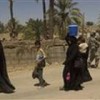
IRAQ: Partition Fears Begin to Rise
Many Iraqis are now beginning to see the rising sectarian violence as part of a larger plan to partition the country.IRAQ: Al-Qaeda Escapes U.S. Assault
Air strikes have destroyed civilian homes rather than al-Qaeda targets under the U.S. military operation in Baquba, residents say.RIGHTS-CHILE: UN on the Offensive Against Iraq Mercenaries
Mercenary recruitment agencies that send former soldiers to Iraq have been accused in Chile of human right abuses, illegal association, possession of explosives and unauthorised use of army weaponry, and are the target of a special United Nations mission.TURKEY: Traffic Lights to Arbil Back on Red
It seems now certain: No invasion of Northern Iraq by the Turkish army before the legislative elections scheduled for Jul. 22. Disappointed? Many in Turkey are, not least the military. Surprised? Not a bit. Prime Minister Recep Tayyip Erdogan's fingers are expert at navigating between buttons of the yellow and red traffic lights of the road to Arbil.
MIGRATION: Iraq Exodus Fuels Rise in Refugees, Displaced
For the second year in a row, violence and persecution in Iraq fuelled a sharp rise in the number of people worldwide who were forced to flee their homelands, according to the latest edition of "World Refugee" released here Wednesday by the U.S. Committee for Refugees and Immigrants (USCRI).« Previous Page — Next Page »


The Week with IPS

NEXT STOP - SDGs
Tracking global progress towards a sustainable world
Tracking global progress towards a sustainable world
