Languages
Thursday, September 17, 2026



News and Views from the Global South
Iraq
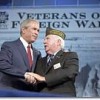
POLITICS-US: Bush Campaigns to Sustain Military "Surge"
Opening a new campaign to sustain his "surge" strategy in Iraq, President George W. Bush Wednesday compared Washington's ongoing struggle there to both World War II and the Vietnam War where, he said, Washington's withdrawal led to disaster for "millions of innocent citizens."IRAQ: Another U.S. Military Operation, More Unrest
New U.S. military operations across Iraq appear to be worsening the situation.
POLITICS-US: High-Level Support Ebbs for Surge
Washington's policy makers are growing dissatisfied with the George W. Bush administration's troop surge in Iraq and a majority agrees that the world is becoming more dangerous for the United States, according to a poll released Monday.IRAQ: Caught Between the U.S. and Al-Qaeda
The major U.S. military operation in Baquba city north of Baghdad has ended, but it has left continuing suffering for residents in its wake.DEVELOPMENT: Singapore and Iraq – Contrasts in Water Management
As the world faces new threats of water scarcity, triggered by phenomena like global warming and bioenergy demands, Singapore and Iraq have been singled out as two political extremes in water management.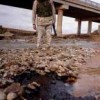
IRAQ: Between the Two Rivers, Lack of Water Kills
The collapse of Iraq's infrastructure has created a worsening water crisis that is killing untold numbers of Iraqis.HEALTH-US: Defence Contract Workers Fall Through Insurance Cracks
New statistics from the United States Department of Labour offer greater insight into the number of defence contractors killed in Afghanistan and Iraq, but questions remain about compensation for injured or dead contract workers and their families.
IRAQ: U.S. Tags Iran for Casualties from Its Own Attacks
When a top U.S. commander in Iraq reported last week that attacks by Shiite militias with links to Iran had risen to 73 percent of all July attacks that had killed or wounded U.S. forces in Baghdad, he claimed it was because of an effort by Iran to oust the United States from Iraq, referring to "intelligence reports" of a "surge" in Iranian assistance.IRAQ: Iran Ties Weaken Government Further
Iraqi Prime Minister Nouri al-Maliki's increasing ties with Iran have triggered a splintering of his government.POLITICS-US: Anbar "Turnaround" Undercuts War Rationale
In hailing what he has called an "almost breathtaking" turnaround in Anbar Province that has weakened al Qaeda as a triumph for his new military strategy in Iraq, Gen. David Petraeus has put a favourable spin on a development which actually challenges the central rationale for continued U.S. military occupation of Iraq.POLITICS: UN Staff Oppose Proposed Iraq Resolution
The U.N. Staff Council, representing 25,000 staff members, unanimously passed a resolution Tuesday calling on Secretary General Ban Ki-moon not to deploy any additional staff members to Iraq and to remove those currently serving at the duty station in Baghdad.US/MIDDLE EAST: ‘Plan Against Iran May Trigger Arms Race’
The new United States plan to sell arms to Saudi Arabia and other allies in the Middle East to counter growing Iranian influence could trigger an arms race and worsen instability in an already volatile region, say experts.DISARMAMENT: Chemical Weapons – One-Third Down, Two-Thirds To Go
The director general of the Organisation for the Prohibition of Chemical Weapons (OPCW), Rogelio Pfirter, urged the United Nations Conference on Disarmament Tuesday to recover the dynamism that led to the adoption of the convention against these weapons.IRAQ: Sectarianism Splits Security in Diyala
Militia from the Shia organisation Badr have taken over the police force in Diyala province north of Baghdad, residents say.SWEDEN: Refugees Test Progressive Claims
Rejected Afghan and Iraqi asylum-seekers have launched nationwide protest against a stricter migration policy.IRAQ: Greece ‘Failing Refugees’
Sixteen Greek NGOs have launched a campaign against redirecting Iraqi refuges to Turkey.
Q&A: EU Promoting Democratic Globalisation
The European Union (EU) is a world power, the largest import market, and the biggest donor of development aid, which puts it in a position to promote democratic globalisation characterised by peace and social justice, according to Enrique Barón Crespo, a member of the European Parliament’s International Trade Committee.
IRAQ: A Nail in Maliki Government's Coffin?
The recent resignations of Iraq's Army Chief of Staff and several of his council military leaders underscore a continuing decomposition of Iraq's U.S.-backed government.
FINANCE-US: As Iraq Costs Soar, Contractors Earn Record Profits
In a report to lawmakers earlier this week, the non-partisan Congressional Budget Office found that the war in Iraq could cost U.S. taxpayers over a trillion dollars when the long-term costs of caring for soldiers wounded in action, military and economic aid for the Iraqi government, and ongoing costs associated with the 190,000 troops stationed in Iraq are totaled up.BOOKS: When the "Good Fight" Is Anything But
Few political debates have changed as rapidly over the last four years as the one surrounding humanitarian military intervention.POLITICS: U.S. Demanding Iran Restrain Shiite Groups
A little-noticed statement by U.S. Ambassador Ryan Crocker after last week's U.S.-Iran meeting revealed that the main demand of the George W. Bush administration to Iran is not to stop supplying weapons to Shiite militias but to use its influence with Shiites in Iraq to reduce their attacks on occupation forces.« Previous Page — Next Page »


The Week with IPS

NEXT STOP - SDGs
Tracking global progress towards a sustainable world
Tracking global progress towards a sustainable world
