Languages
Wednesday, September 2, 2026



News and Views from the Global South
Latin America: Dictatorships Meet Justice
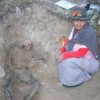
RIGHTS-PERU: Three More Bodies Found at Accomarca
The bodies of three civilians, victims of a 1985 massacre perpetrated by Peruvian soldiers in the highlands village of Accomarca, were disinterred by their families and judicial authorities. They may be the last to be exhumed by judicial order.RIGHTS-CHILE: Ten Years of the ‘Pinochet Effect’
The arrest of Chilean dictator General Augusto Pinochet (1973-1990) a decade ago in London set the justice system in motion in Chile and in other countries in the world, stimulated the attempt to get at the truth about atrocities, and sent out a strong message to a number of notorious human rights violators.RIGHTS-MEXICO: Tlatelolco Massacre – 40 Years of Impunity
The rivers of ink that have been spilled in investigations, trials and the collection of testimony on the Oct. 2, 1968 massacre of student demonstrators in Tlatelolco square in Mexico City have made it clear that the state was responsible. But not one person has been sentenced, and no one even knows exactly how many young protesters died.RIGHTS-ARGENTINA: New Methods to Identify Dictatorship’s Missing Children
DNA testing and court resolutions in Argentina have been key factors in speeding up the work of establishing the true identities of the children who were stolen from their parents, victims of forced disappearance, and given to other families to raise during the 1976-1983 military dictatorship.RIGHTS-PERU: Declassified US Documents Undermine Fujimori’s Claims
U.S. State Department documents that have been kept secret until now contradict former Peruvian President Alberto Fujimori’s claims that he did not know about human rights abuses committed by the country's intelligence services during his two terms of office, from 1990 to 2000.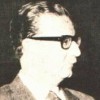
CHILE: Salvador Allende – Greatest Chilean, by Popular Acclaim
The late socialist President Salvador Allende, who was overthrown by the armed forces on Sept. 11, 1973, was elected the "greatest Chilean in history" in a viewers' poll organised by a television programme that stirred up controversy.
RIGHTS-PERU: Military Wants to Keep Massacres Buried
The Peruvian army continues to withhold information from the legal authorities who are investigating the murders committed by members of the military during the country’s 1980-2000 armed conflict.ARGENTINA: Children of Exile – Strangers Still
While perpetrators of human rights violations during Argentina’s 1976-1983 military dictatorship have begun to be sent to prison, a new study has shed light on a less conspicuous aspect of the regime's legacy: the problems faced by the children of former exiles who are struggling to integrate into Argentine society.RIGHTS-PERU: Another Blow to Military Impunity
The reopening of the investigation into the death of Marco Barrantes, a second lieutenant in the Peruvian army accused of spying by the military, revived his family’s hopes for justice and may lead to the filing of a lawsuit against the state by the widow of the Ecuadorean soldier murdered along with him.RIGHTS: Treaty Languishes on State Terror
They have vanished, but are not forgotten. Whether they have been killed or are being kept in secret, dark, and unknown prisons, their relatives, family members and human rights activists want to know.RIGHTS-ARGENTINA: Life in Prison for Two Retired Generals
Retired Argentine General Antonio Domingo Bussi was sentenced to life in prison for a crime against humanity committed in 1976. But he won't be going to prison for now.RIGHTS-PARAGUAY: President Apologises to Victims of Dictatorship
Paraguayan President Fernando Lugo apologised Thursday in the name of the state to the victims of human rights violations committed by the 1954-1989 dictatorship of Alfredo Stroessner.PERU: Courts Move Closer to Clarifying Accomarca Massacre
"They entered the village and called all the peasants together, tortured them to make them say who were terrorists, and killed them because they didn't talk," testified former soldier José Contreras, one of those involved in the 1985 killing of 69 people in the southern Peruvian village of Accomarca.RIGHTS-ARGENTINA: No House Arrest for Elderly Former General
Former Argentine General Luciano Benjamín Menéndez, one of the most notorious of the military commanders who led the "dirty war" waged by the country’s 1976-1983 dictatorship, was handed a life sentence Thursday for human rights violations committed 31 years ago.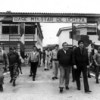
RIGHTS-PERU: Aprista Party Members Under Investigation for ’80s Crimes
The Peruvian justice system is to prosecute members of the governing American Popular Revolutionary Alliance (APRA, or Aprista Party) for creating the Rodrigo Franco Commandos (CRF), a paramilitary unit alleged to have murdered five people during the first administration of current President Alan García (1985- 1990).
PERU: Montesinos Defends Fujimori, Then Clams Up
Vladimiro Montesinos, the second most powerful person in the regime of former President Alberto Fujimori in Peru (1990-2000), has admitted in court that crimes were committed during intelligence operations he directed.EL SALVADOR: President’s ‘Path to Peace’ Award Draws Outcry
The decision by a Catholic foundation with links to the Vatican to award its highest distinction to Salvadoran President Antonio Saca drew a wave of protests from local analysts and representatives of civil society in this Central American country.PERU: Acquittals for Lawmakers Accused of Taking Bribes
A court in Peru acquitted nine former lawmakers accused of taking bribes to switch party allegiance and vote with the government of former President Alberto Fujimori (1990-2000), so as to assure him majority support for his initiatives.
RIGHTS-PERU: Unburying the Evidence of Biggest ‘Dirty War’ Massacre
It was not hard to find the remains of the victims, some of whose bones were actually exposed to the elements. But it took 24 years for the people of the highlands village of Putis in southern Peru to get a response to their insistent requests for exhumation and identification of the remains.RIGHTS-CHILE: Amnesty Report Highlights Impunity
The Amnesty International Report 2008 on the state of the world’s human rights, released Wednesday, expresses disappointment in Chile’s delay in seeking truth, justice and reparations for the victims of crimes committed during the dictatorship of General Augusto Pinochet (1973-1990).RIGHTS-CHILE: Historic Mass Arrest of Soldiers
In an unprecedented decision, Chilean Judge Víctor Montiglio ordered the arrest of 98 former members of the security forces in connection with the abduction and killing of 42 leftists in 1974.« Previous Page — Next Page »


The Week with IPS

NEXT STOP - SDGs
Tracking global progress towards a sustainable world
Tracking global progress towards a sustainable world
