Languages
Friday, October 23, 2026



News and Views from the Global South
Pakistan
U.S.: Pakistan "Greatest Single Challenge" to Next President
Calling Pakistan the "greatest single challenge" to the next U.S. administration, a bipartisan group of South Asia experts recommends cutting aid to the Pakistani army unless it commits itself to the counter-insurgency struggle against the Taliban and al Qaeda.RIGHTS-PAKISTAN: Civil Society United Against 'Honour' Killings
The current campaign against "honour" killings in Pakistan led by anti-death penalty NGOs has support from lawmakers and lawyers pressing for modifications of Islamic law to prevent perpetrators from evading justice.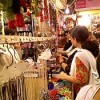
PAKISTAN: Eid Shopping Marred by Inflation, Fear of Violence
As the Muslim holy month of Ramadan draws to a close, the shopping frenzy around Pakistan increases in preparation for Eid, the joyous three-day festival of thanksgiving to celebrate the end of a period of abstinence, including dawn-to-dusk fasting.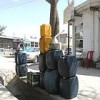
AFGHANISTAN: Subsidised Fuel Trail Winds Back to Pakistan
In a teeming petrol market on the outskirts of Kabul, black market traders sell fuel to everyone from individual customers to large business groups. Although much of this petrol comes from Iran or the Central Asian countries, a good amount also hails from Pakistan, where government subsidies have made the fuel much cheaper than in Afghanistan.
PAKISTAN: Tax Payers Pay for Subsidised Fuel to Afghanistan
Petrol pumps in Pakistan’s border regions do brisk business. Jerry cans of fuel are carried both clandestinely and openly across the porous frontier for sale in neighbouring Afghanistan.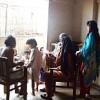
RIGHTS-PAKISTAN: Rape Survivor Families Struggle Against Odds
Rape and sexual violence are endemic in Pakistan, but cases are rarely registered. Few survivors and their families can withstand the pressure to compromise with the assailants over the years the cases drag on.
PAKISTAN: ‘Militants Are Not Taliban, We Are’
The world knows the Taliban as armed fighters who have unleashed a wave of violence in Afghanistan and neighbouring Pakistan including devastating suicide bomb attacks, the most recent on the luxurious Marriot Hotel in high-security Islamabad last week.RIGHTS-NEPAL: ‘Inter-Country Child Adoption Policy Weak’
When reports in the Nepali and international media exposed a market in orphans, and the taking away from this country of children without the consent of biological parents, the government responded with a ban on inter-country adoptions.POLITICS-PAKISTAN: No Military Solutions to Suicide Bombings
Political analysts have long been warning the United States and Pakistan governments that there are no easy military solutions in prosecuting the global ‘war on terror’ which may now have become inextricable from ‘home-grown’ militancy.
POLITICS-INDIA: Polls Uncertain With Jammu Divided From Kashmir
Plans by the central government to conduct elections in Jammu and Kashmir, due originally in November, remain uncertain because of the serious regional and religious differences that have cropped up between the two main regions that make up the composite territory.POLITICS-US: Vested Interests Drove New Pakistan Policy
The George W. Bush administration's decision to launch commando raids and step up missiles strikes against Taliban and al Qaeda figures in the tribal areas of Pakistan followed what appears to have been the most contentious policy process over the use of force in Bush's eight-year presidency.PAKISTAN-POLITICS: Testing Times for Democracy
Political opposition against President Asif Ali Zardari -fuelled by the recent U.S. military incursions into Pakistani territory and rising food prices - appears to be tempered by the realisation that the only alternative to the current democratically elected dispensation is military rule.
US/MIDEAST: Obama Advisor Stresses Carrots Over Sticks
Dr. Susan Rice, senior foreign policy advisor to Democratic presidential nominee Barack Obama, says the U.S. would make every effort to avoid resorting to a military attack on Iran under an Obama administration.
RIGHTS-PAKISTAN: Live Burial of Women – Activists Demand Action
Prominent civil rights activists are demanding that the government act against those responsible for the burial alive of five women in Balochistan, in July, that politicians from the province have defended as an age-old custom.POLITICS-US: Intel Council Warned Against Raids in Pakistan
The National Intelligence Council, the U.S. intelligence community's focal point for estimating future developments, warned the George W. Bush administration last month that a decision to launch commando raids by U.S. troops against al Qaeda-related targets in Pakistan's North-West Frontier region would carry a high risk of further destabilising the Pakistani military and government, according to sources familiar with the intelligence community's response to the issue.PAKISTAN: Zardari – Victim of Many Prejudices
After sweeping Pakistan's presidential elections, Asif Ali Zardari, husband of the late, twice-elected prime minister Benazir Bhutto, called his triumph the ‘’victory of democracy’’. But this triumph follows a flood of criticism against Zardari in the domestic and foreign media.US/PAKISTAN: Raid May Herald More Confrontational Policy
An apparent raid into Pakistani territory by U.S. forces stationed in Afghanistan has prompted angry denunciations from Pakistani officials and renewed questions about the future of the war against the Taliban in the region.
RIGHTS-INDIA: Kashmiris See Power in Peaceful Protests
Firefights between India's armed forces and separatist militants, a feature of life in Jammu and Kashmir state, have now given way to a different type of confrontation - paramilitary troops facing mass protests by peaceful, unarmed demonstrators demanding freedom.
PAKISTAN: Outlawed Taliban Have Free Run of Media
Taliban factions in the North West Frontier Province (NWFP) and tribal areas have been outlawed and their accounts frozen by the Pakistan government. But that has not in the least bit altered their presence in the media.
PAKISTAN: Giving Democracy a Chance
As Pakistan appears to lurch from one political crisis to another, there may be a silver lining in the army continuing to keep its distance from politics and the political leadership affirming the democratic process, despite the setbacks.
POLITICS-PAKISTAN: 'Putting Musharraf on Trial is Pointless'
Pervez Musharraf resigned as Pakistan's president on Aug. 18 to escape certain impeachment. But now there are calls from various quarters to have the former military dictator prosecuted for actions committed during his nine eventful years in office.« Previous Page — Next Page »





The Week with IPS

NEXT STOP - SDGs
Tracking global progress towards a sustainable world
Tracking global progress towards a sustainable world
