Languages
Tuesday, July 28, 2026



News and Views from the Global South
Peru
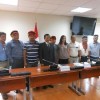
Native Peoples Say: No Consultations, No Concessions
Representatives of native communities in the Amazon region of Peru, where the first ever "prior consultation" about a project affecting their territory will be held, have pressured the authorities into promising that their views will be taken into account every step of the way. But the government's word is no longer enough to assuage their mistrust.
Investments Go Green in Peru
Peru’s economic growth is largely dependent on its wealth of natural resources, which provide over 50 percent of the country’s gross domestic product (GDP) and 80 percent of exports. In view of this fact, the government is developing a project for the valuation and protection of this natural bounty.
Native Communities in Peru Take Charge of Environmental Monitoring
At the end of every month, with the skill of an environmental engineer, Wilson Sandi prepares a work plan that will be used by Achuar indigenous people, like him, to document the scars left by 40 years of oil drilling in the Peruvian Amazon region of Loreto.
Indigenous Consultations in Peru to Debut in Amazon Oil Region
Peru will debut a new mechanism for prior consultation with indigenous peoples by seeking their approval for a new stage of oil drilling operations in the infamous Lot 1AB in the northeastern Amazon region of Loreto.
PERU: Anti-Mining Protesters Shot Amid Climate of Fear
In under two days, five demonstrators were gunned down by security forces in the northern Peruvian highlands region of Cajamarca, where a state of emergency has been declared.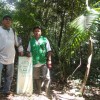
Peru – Megadiverse, and Biodiversity-Aware
One of every two Peruvians knows what "biodiversity" means, and most would stop buying products that are not socially or environmentally responsible, according to an international survey that for the first time included this megadiverse South American country.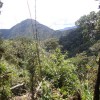
Who Will Deal with the Thousands of Abandoned Oil Wells in Peru?
Peru has thousands of abandoned oil wells that continue to pollute their surroundings, with 269 considered to pose a serious hazard. But the government has yet to carry out an inventory in order to identify and subsequently clean up and seal them, despite a law passed in 2007 for this purpose.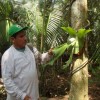
More Transparent Forest Governance in Peruvian Amazon
In Peru, where over half of the national territory is covered by forests and the logging industry is marred by corruption, transparency and good forest management are closely linked.
PERU: Time to Adapt to Climate Change Impact on Women’s Lives
This year’s unusually rainy season in Peru is having a negative effect on the wellbeing and health of women in rural areas who are forced, for example, to spend three times as much time walking to collect firewood and water. But the authorities continue to turn a blind eye to the problems they face.
Airwaves Cut Distances in Rural Peru
The Onda Rural communication for development initiative in Peru has come up with a range of strategies to get information out to remote villages, to help them with decision-making on questions like climate change adaptation or disaster preparedness.
Airwaves Cut Distances in Rural Peru
The Onda Rural communication for development initiative in Peru has come up with a range of strategies to get information out to remote villages, to help them with decision-making on questions like climate change adaptation or disaster preparedness.Native Peruvians See Loopholes in Prior Consultation Law
Indigenous communities in Peru have a long list of comments and objections to the proposed regulations for the law governing prior consultation on initiatives affecting their territories.« Previous Page


The Week with IPS

NEXT STOP - SDGs
Tracking global progress towards a sustainable world
Tracking global progress towards a sustainable world
