Languages
Wednesday, October 21, 2026



News and Views from the Global South
Preventable Diseases - Africa
DEVELOPMENT-UGANDA: Looming Problems With Kampala's Water
The water supply for two million residents of the Ugandan capital Kampala is threatened by a combination of ill-planned urbanisation and changing rainfall patterns.HEALTH-UGANDA: Fight Against AIDS Faltering?
Uganda's approach to the fight against HIV/AIDS is under scrutiny by activists. The country has won international acclaim for its 20-year campaign against the AIDS pandemic, but the latest numbers lead some activists believe Uganda is now losing ground.
HEALTH-SWAZILAND: AIDS Creating a Society in Distress
In a narrow and still winter-brown valley, little more than a crevice between rocky mountains, Gogo Ndlovu looks after her five young orphaned grandchildren.
Q&A: Denying Antiretrovirals To Migrants Hurts Us All
South Africa has become a destination for people from across the continent and beyond. But in spite of migrants having a legal right to free antiretroviral treatment (ART) for HIV, they are being turned away from government clinics.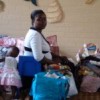
HEALTH-SOUTH AFRICA: Refugees Denied Access to Health Care
Refugees and migrants do not have adequate access to health care services in South Africa, aid organisations and NGOs say. This is particularly detrimental for those who are HIV-positive and in need of continuous antiretroviral (ARV) medication: interrupted treatment can mean illness, development of drug-resistance and ultimately death.VIETNAM: Mekong Delta Farmers on Bird Flu Alert
The bustling city of Can Tho is the capital of southern Vietnam’s fertile Mekong Delta and one of the country’s two main rice baskets. Good food in abundance makes it an ideal place to raise ducks and chickens, but this also means it is also one of the most high-risk areas in the country for bird flu.HEALTH-KENYA: Malaria Rises to Highland Areas
The end of June marks the start of the malaria season in East Africa. After the long rains, conditions in lowland swamps and coastal regions are more conducive for mosquito breeding. But in recent years malaria has also appeared in the highland areas where it was previously unheard of.
DEVELOPMENT-ANGOLA: Stressing the Importance of Clean Water
A survey of Angolan households has revealed less than half of caregivers always treat water with a reliable method before giving it to children. And one third of those interviewed by Population Services International (PSI) believes water is blessed by God and does not need to be sterilised before use.
DEVELOPMENT-ANGOLA: Absorbing Lessons on Clean Water
Playing happily in the sand with her twin sister, it's hard to believe Vivia Paulino was only months ago on the brink of death.ECONOMY-AFRICA: HIV/AIDS Reduces Children’s Education Chances
Children who live in communities with an HIV prevalence rate of 10 percent or more have half a year of schooling less than children in other communities.
DEVELOPMENT-KENYA: Water Studies – But Where Are the Water Supplies?
The road leading to the informal settlement of Korogocho is narrow and winding. Here, in Nairobi's third largest slum, up to 150,000 people are crammed into an area of just over one square kilometre, their shanties made of cardboard, wood or metal.
HEALTH-AFRICA: UNICEF Reports Five Million Child Deaths Every Year
When four-year-old Alice Were suddenly developed a fever, her mother Miriam took her to the local medicine woman close to her house in Kangemi, a poor, cramped settlement on the outskirts of the Kenyan capital, Nairobi. Two days later, Alice was unconscious. Her frantic mother rushed to hospital with the child in her arms. But it was too late. Alice died of malaria.HEALTH-SOUTH AFRICA: Suffer the Little Children
Located high in the Drakensburg Mountains of the Eastern Cape Province in South Africa, Sterkspruit is a picturesque rural area that includes several tribal villages. In the midst of this natural beauty, however, a tragedy has been unfolding over recent months.HEALTH-KENYA: Months After Dump Scare, Problems Persist
Every day, the Dandora dumpsite in the eastern part of Nairobi receives 2,000 tonnes of rubbish - about half of the waste generated daily by the capital's 4.5 million people. The 12-hectare site is a low mountain of smouldering trash. Vultures and marabou storks circle overhead in anticipation of a meal.MOZAMBIQUE: Officials Master Floods – But Battle To Contain Diseases That Follow
More people have died of cholera following recent floods in Mozambique than the number of those who perished in the rising floodwaters. Most rivers in central and northern Mozambique burst their banks after heavy rains in December, January and February, and as a result of Cyclone Jokwe - which hit in early March.Q&A: Circumcision an “Opportunity To Take Great Strides Forward” Against HIV
Results from trials in South Africa, Kenya and Uganda in 2006 showed that male circumcision reduced the transmission of HIV from women to men by up to 60 percent. On the basis of these results, the Joint United Nations Programme on HIV/AIDS and the World Health Organisation have recommended that countries encourage men to be circumcised.
HEALTH-TANZANIA: A Hazardous Route to the Cradle
Tatu Shabani Tumbo's first born was diagnosed with strength-sapping anaemia, and died a toddler. Doctors had no medical explanation for the sudden death of her second child at age one. She then tried to get pregnant a third time, initially without success.DEVELOPMENT-MALAWI: Water Utility Over-Stretched and Under-Maintained
Long known as a peaceful and quiet city, especially at night, Blantyre is steadily losing its reputation for tranquility. Residents now find themselves waking up to the hustle and bustle of women carrying metal and plastic buckets as they move around the city most nights and early mornings in search of water.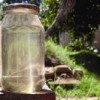
HEALTH-SOUTH AFRICA: Too Few Trained Personnel. Too Much Aluminium?
The precarious state of water distribution in Grahamstown, a city in the south-east of South Africa, was highlighted again this month when taps ran dry for almost two days (Feb. 8 and 9) in a large section of the city. Grahamstown's reticulation system has failed residents several times over the last fourteen months in terms of water quality and reliability of supplies.POLITICS: Bush Bids Farewell to Africa
In an attempt to polish his image and advance U.S. interests in the twilight of his presidency, George W. Bush is visiting Africa.
Q&A: "Vitamin A and Zinc Should Be an Essential Part of Malaria Control Strategies"
Malaria continues to cut a swathe through Africa, which accounts for most cases of the disease and the majority of malaria-related deaths. Globally, more than a million people die from malaria each year. In the case of children, this translates into a death every 30 seconds, according to the World Health Organisation.« Previous Page — Next Page »





The Week with IPS

NEXT STOP - SDGs
Tracking global progress towards a sustainable world
Tracking global progress towards a sustainable world
