Languages
Saturday, October 17, 2026



News and Views from the Global South
Preventable Diseases - Africa
HEALTH-AFRICA: Maximising the Benefits of AIDS Funding
Significant new investments in the fight against the AIDS pandemic could have positive impacts on broader health systems in Africa if governments handle them right.ZIMBABWE: Cholera Drowns Christmas Spirit
On Christmas Day, Robson Nzuza and his family usually drive to their village in Silobela, in the Midlands Province, to spend a week with members of the extended family and throw a big party.AIDS-SOUTH AFRICA: Balancing Individual Rights Against Public Health
Public health and individual human rights are poor friends. What may be good for society may be bad for the individual, or the other way round. And nothing sharpens this tension as starkly as AIDS.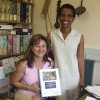
Q&A: South Africa Suffers Sanitation Backlog
Sanitation is a key element of health, and hygiene a basic need for survival. Yet, millions of South Africans, especially those living in rural areas, do not have access to basic services, such as clean, running water and sanitary toilet systems.HEALTH-AFRICA: Breaking the Cycle of HIV Transmission
According to the United Nations Children's Fund, early diagnosis and treatment greatly increase survival rates for HIV-positive newborns. but fewer than one in ten infants born to HIV-positive mothers in 2007 was tested for HIV within two months of birth.HEALTH-AFRICA: Research and Policies Lack Civil Society Input
Health experts and activists have heavily criticised African governments for failing to collaborate with civil society organisations (CSOs) on health research and health policy development.HEALTH-AFRICA: Cervical Cancer Strikes Poor Women Hardest
Of the 490,000 women worldwide who are diagnosed with cervical cancer each year, 80 percent live in the developing world. Every year, 55,000 women in sub-Saharan Africa alone develop this disease, which is ten times more likely to affect women living with HIV.Q&A: Major Challenges Will Be Met
When Barbara Hogan replaced South African health minister Manto Tshabalala-Msimang in September, her appointment was praised from all quarters. Hogan, who previously chaired Parliament’s finance portfolio committee, is known as an intellectual who stands up for what she believes in and finding hands-on approaches to solving difficult political issues.HEALTH-DR CONGO: Malaria Remains Biggest Killer
With almost 200,000 people dying of malaria each year in Democratic Republic of Congo (DRC), the disease remains the country's biggest killer.HEALTH: Swaziland About To Eliminate Malaria
Hot on the heels of Mauritius, health experts predict Swaziland will be the second country in the Southern African Development Community (SADC) to eliminate malaria.HEALTH-SOUTH AFRICA: New HIV Vaccine Trials Raise Hopes
After two HIV vaccine trials were halted for safety reasons last year, a new trial is set to commence within the next few months in South Africa and the United States. Scientists will test a new vaccine formula produced in South Africa. It will be the first time a HIV vaccine manufactured in a developing country will be trialed in the developed world.
HEALTH-ZIMBABWE: Activists Say Cholera Due to Failed Leadership
"In my nine years as a nurse, I have never been so devastated. You know how discouraging it is to see people dying before your eyes. And you know very well there is nothing you can do to help them."HEALTH-AFRICA: Time for Joint Action on HIV/AIDS and Violence
The war against HIV/AIDS, it is emerging, will not be won unless sexual and gender-based violence is tackled.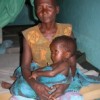
HEALTH-MALAWI: Help for Women with Obstetric Fistula
A group of 138 unhappy and mostly destitute women from Malawi’s lake district of Mangochi have something to look forward to this week: They will have a chance to restore their dignity and pride by accessing a medical service usually not available to them.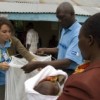
HEALTH-AFRICA: Renewed Fight Against Old Killer
The key to a new multi-billion dollar strategy to eliminate malaria deaths worldwide by 2015 is to widen availability of existing diagnostic and preventative treatments.DEVELOPMENT-ANGOLA: Building Sustainable Water Systems
Angola may be emerging as an African super power with its plentiful oil exports and a booming property market. But look behind the façade of this boom and real entrenched poverty continues to blight millions of lives.
EDUCATION-ZAMBIA: Food Insecurity Hits Schools
"Sometimes there is barely any food at home, so I only eat at school, at lunch," said Justin Banda, a 12 year old student, at Chikumboso school in Lusaka’s Ngombe township.
TRADE-AFRICA: Art Creating Hope in the Midst of Death and Disease
Zulu artists working at the Ardmore Ceramic Studio in South Africa’s coastal province of KwaZulu Natal have gone from poverty to international acclaim.
SOUTH AFRICA: Nurse Shortage Cripples Health System
In the impoverished informal settlement of Du Noon, 20 kilometres north of Cape Town, sick residents rely on a single clinic staffed by six nurses to meet their health needs.
Q&A: Zimbabwean Women Have Had ‘‘More Trauma'' After Independence
Zimbabwean women have experienced higher levels of trauma, including violence and lack of food, after the country's independence from Britain in 1980 than before.RIGHTS-SWAZILAND: Women Challenge King Mswati
Hard on the heels of the signing of the Gender Protocol at the Southern African Development Community (SADC) heads of state summit, Swazi women have challenged King Mswati III on the monarchy's lavish lifestyle in the face of abject poverty and disease.« Previous Page — Next Page »





The Week with IPS

NEXT STOP - SDGs
Tracking global progress towards a sustainable world
Tracking global progress towards a sustainable world
