Languages
Monday, September 28, 2026



News and Views from the Global South
Troubled Waters
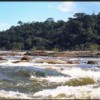
BRAZIL: Small Hydroelectric Dams Not So Green
The combined impacts of numerous small hydroelectric dams in one river basin can be at least as harmful as one large dam, warn experts, environmental activists and indigenous groups, who face a flood of new projects along the rivers of the western Brazilian state of Mato Grosso.IRAQ: Iran Gains From Power Cuts
The crisis over electricity failure grows as summer temperatures climb and a drought plagues Iraq. It is a crisis Iran is using to help Iraqis where the U.S. has failed.ENVIRONMENT-THAILAND: River Diversion Plans For Whose Benefit?
Thai Prime Minister Samak Sundaravej’s plans to divert water from rivers in neighbouring Laos to help feed agricultural production faces stiff opposition from activists, who argue the ambitious projects could threaten the environment and local people’s lives.CLIMATE CHANGE: Wetlands Loss Fuelling CO2 Feedback Loop
Wetlands are dangerous, scientists say, in the sense that they are ticking carbon bombs best left alone. To help stave off extreme climate change, existing wetlands should be enhanced and new wetlands created so they could capture more carbon.DEVELOPMENT-MADAGASCAR: Not Enough Money for Basic Water
Safe drinking water is a scarce resource in Madagascar. Considerable financial investment is needed to improve sanitation and water treatment and distribution for the population of this large island.
DEVELOPMENT-MAURITIUS: Water – Waste Not, Want Not
The 1.2 million-strong population of Mauritius presently enjoys plentiful piped potable water from the 2000 mm average annual rainfall that falls over the island annually. But large amounts of water are wasted, and with growing demand from new development, the island's water security may come under pressure in the near future.
MIDEAST: Sewage in Water Threatens Gazans
Gaza is being forced to pump 77 tonnes of untreated or partially treated sewage out to sea daily due to the Israeli blockade of the coastal territory. The fear is that some of this is creeping back into drinking water.CHINA: ‘Within a Generation Beijing Will Cease to Exist’
Few in the Chinese capital are aware of the price their city would pay for staging the world’s first ‘green Olympics’ in August. The fabulous capital of Chinese emperors and the epitome of modern China’s ambitions is being driven to extinction by its chronic lack of water. And the Olympic games are expediting the city’s slow demise, according to experts.HEALTH-SOUTH AFRICA: Bleak Future For the Country's Water
Earlier this month, a private pilot reported to a Johannesburg radio station that while flying over the Kruger National Park, in the far eastern reaches of the country, he had spotted the carcasses of several large crocodiles floating in the Olifants River. This was unusual because the crocodiles within the country's largest game reserve are protected from hunting.
HEALTH-MALAWI: Water Woes in Model Hospital
Gladys Mawera's face is contorted with pain -– both she and her newborn baby survived a complicated birth three days ago - but she has not been able to take the painkillers and antibiotics prescribed to her by the medical personnel at the Chiradzulu District Hospital in southern Malawi. The hospital has been without water for five days.CORRUPTION: Graft Sapping Precious Water Resources
The world's growing water crisis - with nearly 1.2 billion people lacking a steady water supply and more than 2.6 billion without adequate sanitation - is fundamentally a crisis of governance, with corruption as one root cause, says a new report by Transparency International.
DEVELOPMENT-CHINA: Temblor Throws Shadow on Big Dam Ambitions
China’s deadly earthquake last month appears to have shifted more than just tectonic plates in the country’s picturesque Sichuan province. The May 12 temblor has given a boost to China’s green lobby that has been calling for a review of Beijing’s zealous dam-building programme and may tilt the balance of public opinion in favour of such appeals.DEVELOPMENT: Water Flowing Back Into Public Hands
The announcement by the Paris municipality that water services will return to public hands by 2010 is in line with a global trend of ending privatisation of such services.
DEVELOPMENT-ANGOLA: Absorbing Lessons on Clean Water
Playing happily in the sand with her twin sister, it's hard to believe Vivia Paulino was only months ago on the brink of death.
ENVIRONMENT-US: "Water Is Alive, It Hears Our Words"
Native Americans and others completed a 10-day "Walk for the Water" this week along the Chattahoochee River, which some estimates say will dry up completely by 2025 due to pressure from the rapidly growing city of Atlanta.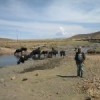
BOLIVIA-PERU: Titicaca Truths Revealed
Nobody doubts that Lake Titicaca, a watershed and resource shared by Bolivia and Peru, is polluted. But a half-century after the two governments realised there was a problem there are still no detailed studies of the state of its waters.IRAQ: Animals Too Struggle for Survival
Amidst the huge and growing death toll, it has been easy to forget that animals, in their own way, are finding it hard to survive in Iraq.DEVELOPMENT: Blessed and Cursed by Water
Millions of people are threatened by poor, unreliable, or non-existent water resources, and climate change could make things worse. IPS looked at some of the issues before participants at a World Bank conference on water and sanitation issues held in Oslo last week.
DEVELOPMENT-KENYA: Water Studies – But Where Are the Water Supplies?
The road leading to the informal settlement of Korogocho is narrow and winding. Here, in Nairobi's third largest slum, up to 150,000 people are crammed into an area of just over one square kilometre, their shanties made of cardboard, wood or metal.Q&A: Malawian Aquaculture Initiative Gives Cause for Quiet Hope
From time immemorial, fishermen on Lake Malawi have depended on the chambo to help feed their families - all without upsetting the stocks of this fish species. Following the start of commercial fishing on the lake, however, the annual catch of chambo plunged, from 3,250 tonnes in 1985 to 207 tonnes in 2002.DEVELOPMENT-BOTSWANA: Of Tourists, Bushmen – and a Borehole
A planned lodge development at the settlement of Molapo in Botswana's Central Kalahari Game Reserve (CKGR) has become a source of controversy.« Previous Page — Next Page »


The Week with IPS

NEXT STOP - SDGs
Tracking global progress towards a sustainable world
Tracking global progress towards a sustainable world
