Languages
Monday, September 28, 2026



News and Views from the Global South
Troubled Waters
BOLIVIA: Water, Energy Everywhere – But Not for Locals
Peasant farmers in 42 villages along the Zongo valley in western Bolivia stand by and watch as the flourishing electricity industry harnesses the swift-flowing river while, paradoxically, their own farms are languishing from lack of water and energy.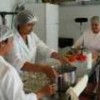
ARGENTINA: Women Create Food and Jobs in Wetlands
Wearing a cap and a white apron, Melina Lucero cuts the heads and tails off fish caught in the Paraná River, before skilfully filleting them. Her co-workers will process and package the fish to sell as traditional, small-scale fish preserves at food fairs along the banks of the river in Argentina.DEVELOPMENT-ANGOLA: Building Sustainable Water Systems
Angola may be emerging as an African super power with its plentiful oil exports and a booming property market. But look behind the façade of this boom and real entrenched poverty continues to blight millions of lives.
Q&A: 'Oil Prices Have Revived Interest in Dams'
Concerns over the future of fisheries in the Mekong River floated to the surface at the first round of discussions held here late this month to shape a blueprint to build a series of mega dams across South-east Asia’s largest body of water.
ENVIRONMENT-KENYA: City Living Costs the Earth
At its source in the hills of the Thogoto Forest, the Mbaghati river adds a gushing noise to the quiet verdant landscape.
Q&A: "The Notion that Water Is Forever Is Wrong"
Venality, greed, corruption - the documentary film "Flow: For Love of Water" could just as easily be subtitled "The Evil That Men Do."ENVIRONMENT-SOUTHERN AFRICA: Ministers to meet over Zambezi Commission
Water ministers of countries that share the Zambezi River will finally launch a long-standing initiative to promote sustainable utilisation of water resources at a meeting in Tanzania in November 2008.VIETNAM: Rising Mekong Tests ‘Living With Floods’ Strategy
Rising water levels, the result of heavy monsoon rains across Vietnam’s southern Mekong Delta, are sounding alarm bells throughout the country, and proving to be a major test for its flood control strategy.LAOS: Questions Rise With Worst Floods in Decades
When local people in Laos talk about floods, they always look back to 1966 - the year the Mekong River burst its banks so fast that no one was prepared.VIETNAM: Paying for Ecosystems
Payment for Ecosystem Services (PES), an environmental scheme now being trialled in this South-east Asian country, may serve as a model for the region, if found successful.SOUTH PACIFIC: Climate Change Refugees Look to Australia, N.Z.
With the apparent effects of global warming already being felt among Pacific island nations, Australia and New Zealand are being urged to do more to prepare for ‘climate change refugees’.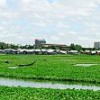
RIGHTS-CAMBODIA: Mass Evictions May Follow Lake Grab
A plan to redevelop Phnom Penh’s largest remaining natural lake into a residential and shopping precinct has ignited a storm of protests and claims that it could result in the largest eviction in Cambodia’s post-war history.ENVIRONMENT-ARGENTINA: Scarce Water Threatened by Gold Mine
For nearly a year and a half, local residents in the northwestern Argentine province of La Rioja have been blocking the road that climbs up to the Nevados de Famatina mountain to protest a gold mining project that they say will pollute the water in the country’s driest district.DEVELOPMENT: Food, Fuel and Water Crises Converging
A spectre is haunting the cities and villages of most developing nations, warns a senior official of a World Bank-affiliated organisation.
DEVELOPMENT: Wasted Food Is Also Wasted Water
The world's growing food crisis - which triggered riots and demonstrations in over 30 developing nations early this year - is being aggravated primarily by wastage and overconsumption.DEVELOPMENT: Wastewater Crops Feeding Millions
Vegetables, rice and other cereals in at least 53 cities in Asia, Africa and Latin America may someday come with warning labels that read "this is a byproduct of raw sewage".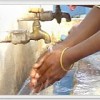
DEVELOPMENT: Water Progresses, Sanitation Regresses
The world's poorest nations are making halting progress in water, but little or no tangible improvement in sanitation - two of the basic necessities of life.DEVELOPMENT-UGANDA: Looming Problems With Kampala's Water
The water supply for two million residents of the Ugandan capital Kampala is threatened by a combination of ill-planned urbanisation and changing rainfall patterns.SOUTH-EAST ASIA: Mekong Flood Warning System Fails
As communities along the Mekong River face some of the worst floods in decades, a flood warning network that combines scientific and local knowledge is under scrutiny. Activists say it has failed its first major test.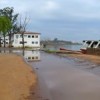
PARAGUAY: Concerns, Tension Rise with Water Level in Yacyreta Dam
Hundreds of people living in the Paraguayan border city of Encarnación are worried about flooding as the result of a rise in water level in the Yacyretá hydroelectric dam, an issue that is also causing tension between Paraguay and Argentina.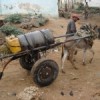
DEVELOPMENT-SOMALIA: Finding Water in Mogadishu
Pipes, reservoirs and water treatment plants in south and central Somalia have been extensively vandalised in the years since the collapse of Siad Barre's government in 1991. In the long absence of central authority, Mogadishu's residents have devised their own informal water distribution systems, but there are many shortcomings.« Previous Page — Next Page »


The Week with IPS

NEXT STOP - SDGs
Tracking global progress towards a sustainable world
Tracking global progress towards a sustainable world
