Languages
Sunday, September 27, 2026



News and Views from the Global South
Troubled Waters

SOUTHERN AFRICA: Climate Change Threatens Livelihoods
Climate change will affect the Zambezi River basin more severely than any other river system in the world, according to Kenneth Msibi, Water Policy and Strategy Expert for the Southern African Development Community (SADC). Increased floods, drought and increased levels of disease threaten lives and livelihoods all along the river’s length.ENVIRONMENT-VIETNAM: River Pollution Scandal a Wake-up Call
The rising level of pollution in Vietnam’s waterways has been common knowledge for years. But in October it became a public scandal after Vedan, a Taiwanese maker of monosodium glutamate (MSG), confessed to discharging toxic waste through hidden pipes into a river for years.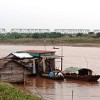
ENVIRONMENT-VIETNAM: Paying the Price of Rapid Development
Vietnamʼs environmental issues have been pushed to the forefront after it was reported in mid-September that a Taiwanese MSG producer had been dumping untreated waste water into the Thi Vai River.DEVELOPMENT-INDONESIA: Farming On The Edge
She wore a scruffy, batik turban for protection against the midday sun. Aas Juasih, 42, looked satisfied with the paddy growing on the ‘illegal’ sawah (paddy field) that she has been cultivating for more than 15 years.DEVELOPMENT-INDIA: Celebrating Sanitation
Everywhere there was the seductively deep bass sound of Indian drums as crowds of local villagers shouted ‘Jai Swachhta’ (long live cleanliness) and punched the air.
DEVELOPMENT-SOUTHERN AFRICA: Harnessing the Zambezi
If the socio-economic development goals of the eight countries that share the Zambezi River basin are to be met, countries along the river should quickly implement plans towards managing water resources in an efficient, effective and sustainable manner.SOUTHERN AFRICA: Groundwater: How Much Is There?
A shortage of trained specialists who can assess and manage groundwater resources is a factor inhibiting its use in the Southern Africa region.DEVELOPMENT-VIETNAM: Rare Criticism of Dams Surface
While arguments against the development of hydropower dams on the Mekong River and its tributaries have from time to time emerged in Vietnam’s state-controlled press, rarely have government officials been as open with their criticism as they have in recent months.DEVELOPMENT-AFRICA: Groundwater: Protecting a Hidden Resource
Groundwater - water located beneath the ground in soil or rock formations - is a secure source of water that if properly managed can last for centuries. The challenge is how to locate it and monitor the effects of its use.
SOUTH-EAST ASIA: Opposition to Mekong Dams Overflows at Meet
In what looked like a blitzkrieg rally, about a dozen hand-held 'No Dams' signs appeared out of nowhere in the packed conference hall at a public forum here on the construction of dams in the Mekong region.
ENVIRONMENT-AUSTRALIA: Harvesting Stormwater as Drought Bites Hard
With large parts of southern and eastern Australia enduring an ongoing drought, the regional centre of Orange - some 260 km west of the nation’s largest city, Sydney - is developing Australia’s first scheme to harvest stormwater in order to service the town’s requirements.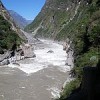
CHINA: Dam Casts Long Shadow Over Idyllic Valley
The town at Tiger Leaping Gorge is a ghost town. Clusters of new apartments in mock-Tibetan style with whitewashed walls and ornate flat roofs sit all empty, with gaping windows. The newly widened streets are free of traffic and the surrounding beauty of nature makes for an eerie contrast to the emptiness of the place.
DEVELOPMENT-AFRICA: Water and Improved Livelihoods
"Sanitation may hold the key to success or failure of the MDGs. It is really a time bomb in terms of health and the environment, waiting to be detonated," Professor Damas Mashauri told participants at a seminar on water and sustainable development taking place in Johannesburg, South Africa.
ARGENTINA: Illegal Embankment Continues to Harm Wetlands
The government of the northeastern Argentine province of Corrientes has been unable to enforce the ruling of the district's highest court, which nearly a year ago ordered the removal of a 30-kilometre embankment that is damaging the valuable wetlands ecosystem known as the Esteros del Iberá.
INDIA: Water Privatisation – 'No Need For Costly Consultants'
The Indian corporate conglomerate, Tata, says it is ready to provide water services in this vast country and also prove that privatisation does not have to involve expensive foreign consultants and providers.
DEVELOPMENT: Laos Struggles With Dam Dilemma
The Lao government places great hopes on plans to build hydroelectric dams to generate electricity for the country and to sell to neighbouring Thailand. But for residents along the Hinboun River in the central province of Khammouane, the reality has been different.
HEALTH-ZIMBABWE: Activists Say Cholera Due to Failed Leadership
"In my nine years as a nurse, I have never been so devastated. You know how discouraging it is to see people dying before your eyes. And you know very well there is nothing you can do to help them."POVERTY: Water Wars Hit Rural Zimbabwe
When water experts warned at the turn of the millennium that soon wars will be fought not over oil anymore but over water, little did Zimbabweans know that they would be some of the first people affected by this dire prediction.
INDIA/PAKISTAN: Indus Water Treaty Agitates Kashmiris
As Pakistan and India wrangle over the waters of the Chenab, Kashmiris - through whose homeland the river and four other tributaries of the mighty Indus flow - have reason to be agitated.
CHILE: Native Community in Desert Oasis Threatened by Mines
The Diaguita indigenous community in Huasco Alto, surrounded by rich gold, silver and copper deposits in the northern Chilean region of Atacama, are engaged in a struggle to prevent mining projects from infringing on their territory and destroying their way of life and ancestral identity.MIDEAST: Where Water Leaves a Bitter Taste
Palestinian villagers drink unsafe agricultural water rather than trusting water provided by an Israeli company, says Buthaina Mizyed, who has worked in Arraneh village near the conflict-laden West Bank city of Jenin.« Previous Page — Next Page »


The Week with IPS

NEXT STOP - SDGs
Tracking global progress towards a sustainable world
Tracking global progress towards a sustainable world
