Languages
Tuesday, October 13, 2026



News and Views from the Global South
Zimbabwe
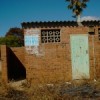
ZIMBABWE: Neglect Sanitation at Your Peril
A functioning public toilet has become a rare sight in Bulawayo. Across this southern Zimbabwean city of about two million residents, public toilets have all but stopped functioning, the buildings now more useful as platforms for graffiti and campaign posters than as public conveniences where people answer the call of nature.
ZIMBABWE: New Constitution: Civil Society ‘Taking Charge’
Barely two weeks after the start of an official process to draw up a new constitution for Zimbabwe was delayed by supporters of Robert Mugabe, it faces another challenge: civil society organisation have launched a parallel constitutional project, saying the unity government's parliamentary-led procedure is undemocratic, defective and will produce a flawed document.RIGHTS-ZIMBABWE: An Old Question Returns: What Peace Without Justice?
Today is the first of three days dedicated to national healing in Zimbabwe. For the man charged with steering reconciliation in Zimbabwe after the recent bloody struggle for power, it is walk down a familiar path.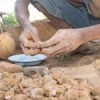
ZIMBABWE: 'Money Comes First, Health Second'
With half her body immersed in a muddy red pond, Esther Nyarambi closely inspects the contents of her wooden panning dish, locally known as zamba. Having spent the entire day pounding gold-bearing rock, she hopes her efforts will be rewarded with even the smallest nugget of gold.
ZIMBABWE: 'Let Us Farm, It's Our Job'
A regional tribunal in Namibia has referred a controversial Zimbabwean land case to the next Southern African Development Community Summit of Heads of State, rejecting a last-minute application for postponement by Zimbabwe on Jun. 5.ZIMBABWE: Long Road to Water Sustainability
As funds begin trickling in for Zimbabwe’s reconstruction efforts, the rebuilding of infrastructure battered by years of neglect is set to gobble a huge chunk.
Q&A: Uncertainty of Hope: Portrait of Survival
Valerie Tagwira, a Zimbabwean doctor living in London, chose Operation Murambatsvina as the backdrop for her first novel, a painful story of domestic abuse, poverty and the fragility of survival in Zimbabwe's high-density suburbs.MEDIA-ZIMBABWE: Promises But Little Action on Press Freedom
While journalists welcomed a pledge by the government to reform the country’s closed media space, fears run deep over a horde of laws that continue to make Zimbabwe a media minefield where a ‘wrong’ story can land a journalist behind bars.RIGHTS-ZIMBABWE: Women Call for Truth, Justice and Reconciliation
Women’s rights groups have urged the establishment of a Truth, Justice and Reconciliation Commission in Zimbabwe as part of bringing to justice people who committed human rights violations - including sexual abuse against women - during the run-up to a second-round presidential vote in June 2008.
SOUTH AFRICA: Protecting Migrant Farmworker Rights
Migrant farm workers in South Africa are entitled to the same workplace rights as any other employee. But the reality across the country suggests the opposite.
ZIMBABWE: Recognise Rights of Gays and Lesbians
Zimbabwe is trying to rebuild itself as a nation where rights to freedom of expression and association are protected. Amongst the chorus of voices raised in support of a new constitutional order are the country's gays and lesbians.
Q&A: ‘We Are Past the History of Acrimony and Polarisation’
The Zimbabwean Prime Minister will address Parliament on May 13, reflecting on both progress and frustration of three months at the head of the country's power-sharing government. Tsvangirai spoke to IPS in Johannesburg on May 8; excerpts of the interview.RIGHTS-ZIMBABWE: Activists Freed on Bail, Charges Remain
Eighteen political activists who were sent back to prison May 5 following their formal indictment on charges of terrorism have been released the following day after an intervention from the highest level.ZIMBABWE: Urban Residents Left Behind by Dollarisation
Cash-strapped residents of Bulawayo, Zimbabwe's second city are digging in their heels and refusing to pay utility bills despite the municipality teetering on the brink of bankruptcy. At the heart of the dispute are dismal service delivery and the conundrum of using multiple currencies in an economy that boasts world record inflation.
ZIMBABWE: Who Speaks for the People on New Constitution?
"Are you still unemployed? Take charge and complete the change. We the people shall write our own constitution," read the many bright posters now adorning street walls, lampposts and rubbish bins in Zimbabwe’s capital, Harare.
HEALTH-ZIMBABWE: Government Promises to Rebuild Health System
The resuscitation of Zimbabwe’s health care system has been identified as one of the major challenges facing the country by the country’s new unity government.
ZIMBABWE: Researchers Developing New Ways to Purify Water
Scientists at Bulawayo's National University of Science and Technology (NUST) have embarked on research to develop simple and affordable water purification methods, as more than a billion people live without safe drinking water in developing countries.
Q&A: “Zimbabwe Must Release Political Prisoners”
Nomboniso Gasa chairs South Africa's Commission for Gender Equality and is an independent gender research analyst. A committed feminist and political activist, she was first imprisoned in apartheid-era South Africa at age 14.ZIMBABWE: The Railways — From Public Utility to Public Liability
Zimbabwe’s poorly funded public transport utilities - which over the years have all but stopped functioning - are making it difficult for small and informal traders to import essential goods from neighbouring countries.ZIMBABWE: Inclusive Govt Must Respect Human Rights
Heather Bennett, a former commercial farmer, candidate for Parliament and the wife of detained Movement for Democratic Change (MDC) treasurer, Roy Leslie Bennett, says the party has let her husband down.
TRADE: Middle-aged Women Keeping Zimbabwean Economy Afloat
Her small tattered book is full of lists of orders for goods such as beer, maize-meal and chemicals. On another page are addresses and phone numbers of store managers while, on another, a list of names has been jotted down along with corresponding amounts.« Previous Page — Next Page »





The Week with IPS

NEXT STOP - SDGs
Tracking global progress towards a sustainable world
Tracking global progress towards a sustainable world
