Languages
Thursday, November 26, 2026



News and Views from the Global South
Climate Change Finance
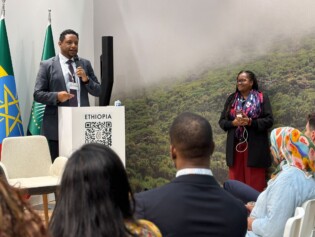
Looking Toward COP32 With Optimism and Resilience
As the dust settles and we move further beyond the close of COP31 Türkiye, I keep returning to these moments. Beyond the headlines saying what a failure COP31 was, these are the moments lost and never heard that I choose to come back to for motivation.
No Antalya Pact, but Some Signs of Progress Emerge from COP31
COP31 will be remembered first for what it failed to achieve.
More Than a Cautionary Tale: Nepal’s Fight for Mountain Justice at COP31
At the UN climate conference (COP31) in Turkey, Nepal was part of almost every discussion around the climate crisis and climate-induced disasters. In the wake of the devastating flood in August, which the world witnessed through CCTV footage and whose impacts local communities are still living with, almost everyone at COP31 is talking about it as an example of a climate disaster.
COP31 Ends in Deadlock, Leaving Ethiopia To Pick up the Pieces
There is no final cover decision at this year’s United Nations climate summit after countries did not agree on a text that explicitly mentions moving away from fossil fuels.
COP31 Cover Deal Collapses as EU and Others Reject Draft Over Fossil Fuel Omission
COP31 ended without an overarching climate agreement on Sunday after two days of overtime, as deep divisions over fossil fuels, climate finance and global warming prevented nearly 200 countries from reaching consensus.
Africa’s Just Transition Ambitions Face Hurdles at COP31
Valepi Banda still remembers the day she lost dozens of chickens in June last year in Zambia’s capital, Lusaka, after the heating system failed due to power cuts.
COP31 Nears Close as ‘Weak’, ‘Compromised’ Draft Draws Fierce Backlash
Civil society organisations and delegates from climate-vulnerable countries have sharply criticised the latest draft of the Presidency-led cover decision at the UN climate summit. They accuse negotiators of removing commitments on fossil fuels and failing to provide concrete climate finance, as the talks enter their final hours.
Tuvalu’s Maina Talia: ‘We Are Not Here To Play. We Are Here for the Survival of Our People’
“This is about the survival of people, and we should not sugarcoat anything here at COP31. If you are trying to sugarcoat things, you shouldn't be coming. We should be frustrated all the time because we are dealing with the very lives of our people.”
Kenya Says IPCC Report Delay Debate Is About Capacity, Not Politics
The publication timetable for several climate reports has become one of the most contentious issues at this year’s United Nations climate conference, as several fossil-fuel-dependent countries want to delay the next round of scientific assessments.
How Biofertilisers Help African Farmers Adapt to Climate Change
When unpredictable rainfall, rising temperatures and declining soil fertility threatened agricultural production across Nigeria four years ago, Baliqees Salaudeen-Ibrahim turned to biofertilisers to keep soil healthy, sustain her horticultural production and build resilience against the growing effects of climate change.
COP31: Leaders Put Resilient Cities on the Table. Will the Money Follow?
“Climate action has to deliver where people live,” COP31 President Murat Kurum said on Resilient Cities and Built Environment Day, part of the Leaders Summit. Cities, he said, are “where that implementation becomes real – in the homes people live in, the infrastructure they depend on and the energy they use every day.”
COP31: Four Nations Pledge $200 Million to GEF as Adaptation Costs Rise
Four countries have pledged or proposed a combined $200 million for global environment and climate funds at the COP31 talks in Antalya, as developing nations press for more help to cope with droughts, floods and rising seas.
Indigenous Leader Warns Energy Transition Risks Turning Their Territories Into ‘Sacrifice Zones’
Indigenous communities risk paying a heavy price for the global shift to clean energy unless governments involve them in decision-making and protect their ancestral territories, an Indigenous leader from Brazil has warned.
Africa Makes Some Gains but Faces Major Setbacks at COP31
Today (November 15) marks the second week of negotiations at the United Nations climate summit in the resort city of Antalya, Turkey.
COP31: New Research Ties Extreme Weather and Mental Health Challenges in Africa
Floods. Extreme heat. Droughts. African communities have experienced it all and more.
COP31: African Development Bank to Co-Lead Global Electrification Finance Initiative
Africa's transition to clean energy received a potential boost at COP31 with the announcement of a new international financing coalition, co-chaired by the African Development Bank (AfDB) and World Bank from 2027.
Drought Cripples Dairy Farmers in Maharashtra in ‘Off the Charts’ Weather Year
Dairy farmer Sagar Pawar has to buy water and fodder at inflated rates to feed his brood of two buffaloes, three Guernsey cows and a calf. He lives in the Solapur district, which is already drought-prone, but now has to deal with the impacts of a strong El Niño as well.
COP31 Litmus Test for International Cooperation
As the world heads toward COP31 Türkiye starting this week, I’ve been reflecting on how I think COP31 could prove to be a more revealing "Transition COP”. Let us remember that the Paris Agreement came from a series of "institutional heartbeat” COPs – NOT from annual blockbuster headlines.
Wealth Buys Protection in Climate Crisis – Oxfam
The world’s wealthiest people are driving a disproportionate share of climate pollution while poorer communities bear the heaviest costs of floods, heatwaves, food insecurity and other climate disasters, according to a new report by Oxfam International.
Bangladesh’s Hidden Climate Bill: How Much Are We Losing Without Counting It?
Bangladesh has earned global recognition for reducing deaths from cyclones and floods. Early warning systems, cyclone shelters, embankments and community preparedness have transformed the country’s disaster response. Yet another climate crisis is receiving far less attention: the economic damage climate change is quietly inflicting on households, farmers, workers, businesses and public finances.
From Small Islands to Antalya: COP31 Must Move Climate Promises from Paper to People
When you grow up on a small island, the ocean is not scenery. It is your neighbour, your livelihood, and the measure of time itself. For decades, as I walked the beaches of Seychelles, I watched the subtle shifts that scientists were warning the world about. The tide crept a little higher up the sand each year. After a warm season, vibrant coral gardens turned ghost-white. Storms that once belonged to rare memory began arriving with unsettling regularity.Next Page »


The Week with IPS

NEXT STOP - SDGs
Tracking global progress towards a sustainable world
