
Saturday, September 26, 2026



News and Views from the Global South
Opinion
Localization in Zimbabwe: A Critical Look at the Grand Bargain and Charter for Change
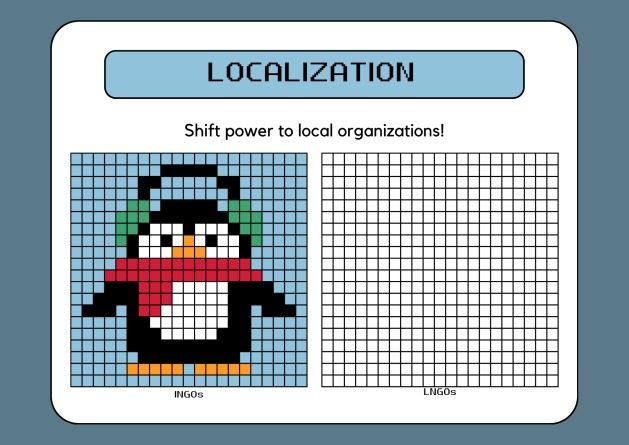
Localization refers to the process of empowering local actors—NGOs, community-based organizations and local governments—to lead in humanitarian and development responses.
- Localization has become a buzzword in international development, aiming to shift power and resources closer to the communities directly impacted by crises.
In Zimbabwe, with our long history of external donor reliance, localization offers an opportunity to rethink how development and humanitarian aid are delivered.
This is particularly important, as the country has been reeling from successive droughts, for example, that have contributed to food insecurity, gender inequality and economic instability.
What is Localization?
Localization refers to the process of empowering local actors—NGOs, community-based organizations and local governments—to lead in humanitarian and development responses.
The idea is to shift control from international actors to local ones, ensuring that aid is more sustainable, context-specific and effective.
This concept aligns closely with the aspirations of many local actors in Zimbabwe who have long argued that they are best positioned to understand and respond to local challenges due to their proximity to marginalised and crisis susceptible communities.
Rural communities in Zimbabwe, for instance, have unique dynamics rooted in historical, social and environmental contexts. Localization ensures that local knowledge is not sidelined but central to planning and execution.
An understanding of the true meaning of the localization discourse, its ambitions and possible benefits to the sector is critical to counter any misconceptions and counterfeit approaches designed to derail the major objective of localization, which a true shift in power and influence to local actors.
The Grand Bargain
The Grand Bargain, launched in 2016 at the World Humanitarian Summit, is an agreement between some of the world’s largest donors and humanitarian organizations aimed at reforming the humanitarian sector.
One of its key commitments is to provide 25% of international humanitarian funding directly to local and national responders by 2020, yet, “only about 0.2% of the global philanthropy, estimated at a staggering US$4 billion is received by African nonprofits directly.”
In Zimbabwe, this commitment has shown varying levels of success. While funding still predominantly flows through international NGOs, there has been an increase in partnerships that focus on strengthening the capacity of local actors to ensure sustainability of their work and institutions.
Several international organizations working in the country, including Trócaire, now have active localization strategies aimed at ensuring effective capacity-strengthening initiatives, some flexible funding models, equitable partnership processes and other ways of amplifying local partner’s voice and influence.
However, challenges remain. One of the barriers to achieving true localization in Zimbabwe is the regulatory environment. Local NGOs often struggle with bureaucratic hurdles, corruption, fraud and limited access to larger funding streams.
Despite these challenges, there have been significant strides made by some partners in securing direct funding for Zimbabwean organizations, reflecting the spirit of the Grand Bargain. Lessons about these successes need to be documented and shared across the board to provide co and shared learning between INGOs and local and national NGOs in Zimbabwe.
Charter for Change
The Charter for Change (C4C), signed by various international organizations and endorsed by local NGOs, aims to implement specific changes that further promote localization. It emphasizes the importance of capacity building, fair partnerships, and shifting power dynamics to local actors.
One of the critical elements of the Charter for Change is the commitment by international actors to work in equitable partnerships with local organizations, moving beyond the donor-recipient relationship.
This is particularly relevant in Zimbabwe, where local organizations often express frustration over unequal partnerships that leave them with limited decision-making power.
The Charter for Change also pushes for the recognition of local actors’ contributions, ensuring they are not simply sub-contractors of international organizations but leaders.
In Zimbabwe, while several organisations have signed up to the Charter for Change, there is currently no working group on localisation, a platform that could be used to help advance the localization agenda particularly on issues of tracking their progress in fulfilling commitments made under various localization frameworks accountability and progress tracking.
Zimbabwe’s Localization Journey
Key Successes include capacity building where international organizations like Trócaire have prioritized the development of local partners by enhancing skills in project management, financial management and technical areas like climate resilience and sustainable agriculture.
In this way, local actors are being prepared to lead interventions for long-term sustainability, especially in areas of food production and women’s empowerment.
Some initiatives, particularly those focused on rural development, have successfully shifted from international to local leadership.
For example, community-based organizations in regions such as Matabeleland and Manicaland have taken the lead in water resource management and sustainable farming practices.
While the Grand Bargain’s 25% funding target remains unmet, there are promising trends. For instance, the Zimbabwe Resilience Building Fund has increased local access to funds for disaster risk reduction and food security projects, marking a significant win for the localization agenda.
Additionally, agencies like Trocaire have enacted Indirect Cost Recovery Policies, that allows a fixed portion of budgets to be made unrestricted, allowing local actors to be flexible in utilising these funds.
Challenges to Localization:
- Regulatory environment: Zimbabwe’s complex and restrictive legal framework around civil society organizations can hamper progress toward localization. INGOs, local and NGOs are required to navigate an intricate web of bureaucracy, which often slows down project implementation and reduces access to direct funding.
- Funding Flows: A significant portion of funding for Zimbabwean programs still goes through international actors, limiting the extent to which local organizations can fully control resources. While international actors may retain fiscal responsibility due to donor preferences, this undermines the Grand Bargain’s goal of direct local funding.
- Capacity Gaps: Despite efforts to build local capacity, some local actors still struggle with technical capacity, particularly in monitoring and evaluation, reporting and financial management. This can limit their ability to secure direct funding or maintain donor relationships, perpetuating reliance on international intermediaries.
- Misconceptions on what true localization entails: Various donor agencies have formulated their own varying philosophies of localization, and some have been seen to be in parallel to the original objective of localization which is a true shift of power to local actors.
Way Forward for Localization in Zimbabwe
Localization in Zimbabwe holds great promise, especially for rural development or humanitarian interventions.
While there have been successes under frameworks like the Grand Bargain and the Charter for Change, more needs to be done to truly localize aid and development.
Through empowering local actors, reducing dependency on international intermediaries and addressing the barriers that local organizations face, the humanitarian and development sector in Zimbabwe can become more sustainable, effective and responsive to the needs of its people.
Tatenda Razawu is an accomplished Organizational Development expert who collaborates with not-for-profit organizations in Zimbabwe and across the region, helping them strengthen their systems for sustainable impact. Driven by a deep passion for localization, he actively leads platforms and initiatives that champion a genuine shift to local actors, ensuring they have capacity and authority to drive lasting change.
Tafadzwa Munyaka is a nonprofit/social change professional with crosscutting expertise in fundraising, business development, grants and compliance management, program management, and child rights advocacy. He is committed to contributing to the African narrative on philanthropy and giving, driving impactful change across the continent.
 Print
|
Print
|




