Languages
Saturday, October 17, 2026



News and Views from the Global South
Analysis

U.S.: Bomb-Iran Week Turns Syrious
This week was supposed to be all about Iran – at least, that's how Israel and its powerful U.S. lobby, the American Israel Public Affairs Committee (AIPAC), had planned it - and why the U.S. should prepare to bomb it very, very soon if its leadership doesn't cave into Western demands to abandon its nuclear programme.No Red Lines, But No Red Light Either
Intense consultations at the highest level between the U.S. and Israel on how to coordinate their respective strategies vis-à-vis Iran indicate that a strike on the Islamic Republic’s nuclear sites, if launched by Israel, the U.S., or in tandem, wouldn’t occur this spring, probably not even before November.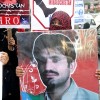
‘Human Rights Hell’ in Balochistan Inflames Separatist Sentiments
"We want our homeland; we want freedom from Pakistan and will fight till our last breath," said Zarmine Baloch (23), veiled from head to toe with just her eyes showing.
The Tale of Iran’s “Critical” Election
Iran's Mar. 2 parliamentary elections were touted by many Iranian officials, including Supreme Leader Ayatollah Ali Khamenei, as the most "critical" event since the establishment of the Islamic Republic 33 years ago.Prospects for War with Iran Unclear As Obama, Netanyahu End Summit
Is war against Iran, either by Israel, the U.S. or both, closer or farther off after this week's meeting here between President Barack Obama and Prime Minister Benjamin Netanyahu?
The Tale of Iran’s “Critical” Election
Iran's Mar. 2 parliamentary elections were touted by many Iranian officials, including Supreme Leader Ayatollah Ali Khamenei, as the most "critical" event since the establishment of the Islamic Republic 33 years ago.
Will Bibi Have Barack Over a Barrel (of Oil)?
While Israeli leaders historically have enjoyed not insignificant influence with their U.S. counterparts, Prime Minister Benjamin "Bibi" Netanyahu will likely arrive at the White House next week with a little extra boost in his efforts to get President Barack Obama to toughen his already hard line against Iran.
Will Bibi Have Barack Over a Barrel (of Oil)?
While Israeli leaders historically have enjoyed not insignificant influence with their U.S. counterparts, Prime Minister Benjamin "Bibi" Netanyahu will likely arrive at the White House next week with a little extra boost in his efforts to get President Barack Obama to toughen his already hard line against Iran.‘When’ to Attack Iran, Not ‘If’
“The quiet before the storm” is how Israeli pundits describe the countdown – not to Israel going solo on Iran’s nuclear and military installations, but to the meeting between due Monday next week between U.S. President Barack Obama and Israeli Prime Minister Benjamin Netanyahu.
Iran Holds Up Access to Parchin for Better IAEA Deal
The failure of a mission by the International Atomic Energy Agency (IAEA) to get Iranian permission to visit a military testing site mentioned in its latest report has been interpreted in media coverage as a stall to avoid the discovery of confirming evidence of past work on nuclear weapons.EU Moves on Myanmar Questioned
Extraordinary political changes in the year since former army general Thein Sein came to power in Myanmar have prompted European powers to ease restrictions on the isolated nation, raising questions whether such rewards are too little or too much.Washington’s Man in China?
When Hu Jintao took over as the leader of China in 2002, U.S. companies welcomed his accession as a "good sign for American business"." Political analysts described Hu as a member of the fourth generation of Communist party leadership who might very well turn out to be a "closet liberal".Israel Shifts Uneasily Over Syria
Grappling with the fallout on their country of a possible forced removal from power of Syria’s President Bashar Assad, Israeli leaders are fluctuating between wariness, cautious optimism, and self-righteousness.Israeli Attack on Iran’s Nuclear Facilities Easier Said Than Done
Despite renewed media speculation regarding possible Israeli attacks against Iran's nuclear facilities as early as this spring, scepticism that such a campaign could actually be successfully carried out remains relatively high, raising the question of whether there is more bark than bite to Israeli threats.Renewed Push in U.S. to Arm Syrian Rebels
What with rumours from Israel of war on Iran, a major showdown with the Egyptian military over the indictments of government- funded U.S. activists in Cairo, and continuing political paralysis in Iraq, you would think President Barack Obama has enough Middle East crises to deal with.Turmoil Heightens Bleak Winter in Tehran
It's miserable this time of year in Tehran. The short days are darkened further by the annual submersion of the city under a thick layer of exhaust and smoke. With the surrounding mountains and weak wind and winter sun, the pollution hovers for days, prompting the government to issue regular warnings to the elderly, pregnant and those with heart conditions not to go outside.Europe Fears a Summer Attack on Iran
The appeals to Israel by numerous European diplomats attending the Munich security conference last weekend have led to growing concern that Israeli plans to attack Iran are imminent.Israel and Iran Agreed on Nuclear Ambiguity
Will Israel attack Iran’s nuclear facilities this spring? That is a question dominating the international agenda. Meanwhile, the grand project of a nuclear weapon-free Middle East is relegated to the utopian "day after" a solution is found to the Islamic republic’s atomic programme.U.S. Leak on Israeli Attack Weakened a Warning to Netanyahu
When Defence Secretary Leon Panetta told Washington Post columnist David Ignatius this week that he believes Israel was likely to attack Iran between April and June, it was ostensibly yet another expression of alarm at the Israeli government's threats of military action.Lawmakers, “Experts” Spin Tales of Iranian Terror in Latin America
Through its ties with Venezuela and other nations in Latin America, Iran is building an anti-U.S. alliance in the Western Hemisphere that poses a direct, imminent threat to the United States, an influential U.S. lawmaker said Thursday.Finnish Contest No More Between Right and Left
In an uncharacteristically lively election campaign in this nation of five million people, Finns head for the polls in a second round of voting Sunday to elect a new president.« Previous Page — Next Page »





The Week with IPS

NEXT STOP - SDGs
Tracking global progress towards a sustainable world
Tracking global progress towards a sustainable world
