Languages
Thursday, November 5, 2026



News and Views from the Global South
Opinion

The World Bank, at 80, and the True Goals of Multilateral Cooperation and Global Development
The Rogun Dam in the mountains of Southern Tajikistan, if ever completed, would be the tallest dam in the world. Late last year, the World Bank committed almost $3 billion to finance its development, claiming the project would benefit locals.
Economic Community of West African States: Fifty and Fractured
Half a century after ECOWAS promised peace and prosperity, three breakaway states are testing West African solidarity, sparking a potential trade war.
Mexico Bans GM Corn Cultivation in Constitutional Reform: Action Follows Trade Ruling That Ignored Evidence of Genetic Contamination
On March 17, Mexican President Claudia Scheinbaum signed into law a constitutional reform banning the cultivation of genetically modified (GM) corn. The action followed a December ruling by a trade tribunal, under the U.S.-Mexico-Canada (USMCA) trade agreement, in favor of a U.S. complaint that Mexico's 2023 presidential decree, with broader restrictions on the consumption of GM corn, constituted an unfair trade practice by prohibiting the use of GM corn in tortillas.
Floods and Droughts are Two Sides of the Same Crisis
Water emergencies are deeply personal to us. Coming from Southeast Asia and southern Africa—two regions that struggle with water challenges—we have witnessed firsthand how water defines the fate of communities and nations.
The Disappeared: Mexico’s Industrial-Scale Human Rights Crisis
They found shoes, hundreds of them, scattered across the dirt floor of an extermination camp in Jalisco state. These abandoned shoes, once belonging to someone’s child, parent or spouse, stand as silent witnesses to Mexico’s deepest national trauma. Alongside charred human remains and makeshift crematoria meant to erase all evidence of humanity, they tell the story of a crisis that has reached industrial-scale proportions.
Germany’s Role in International Security: Time to Match Words with Deeds
For the first time ever in its history, the United Nations Peacekeeping Ministerial (PKM) will take place in Berlin from 13 to 14 May. The aim of the meeting is to discuss the future of UN peace missions. These biennial meetings serve as a gauge of the continuing political support for such missions, which are, of course, just one of the tools in the UN’s comprehensive ‘toolkit’ for handling conflict — alongside general conflict prevention, mediation missions and peacebuilding measures.
African Giving Practices: Understanding a Tradition of Generosity and Community Support
Across Africa, giving is not just an act of charity; it’s a deep-rooted tradition embedded in culture, community, and mutual care. The concept of giving has evolved through generations, often taking on forms that are as diverse as the continent itself.
Reclaiming Equity: Why G20 Must Center Women, Children & Adolescents in the UHC Agenda
As the G20 Health Working Group convened in KwaZulu-Natal under South Africa’s presidency earlier this year, a central question echoed across plenaries: How can we accelerate universal health coverage (UHC) in an increasingly unequal world?
Financing for Whom? The Financing for Development Summit Must Address Social Dimensions
The Fourth International Conference on Financing for Development (FfD4) will bring world leaders together to forge a new international consensus on how to finance a better future for all. Yet, in practice, the first drafts of its outcome reveal a glaring omission: people. Despite rhetoric about inclusivity, the drafts are strikingly weak on social issues, as if financing and macroeconomic policies exist in a vacuum, detached from the lives they impact.
The Growth of One-Person Households
In much of the past, few people lived alone. At the start of the 20th century, one-person households were relatively rare and are estimated to have accounted for less than 10% of all households worldwide.
A Nation Bleeds While the World Watches: The Tragedy in Sudan Must End
The ongoing civil war in Sudan is tragic, but the greater tragedy is that if the international community sits on its hands and does nothing to stop this horrific war and prevent further escalation of the conflict, it will come at an unfathomable price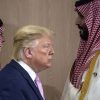
US Considering Nuclear Power for Saudi Arabia in Grand Bargain
The Trump administration is reportedly pursuing a deal with Saudi Arabia that would be a pathway to developing a commercial nuclear power industry in the desert kingdom and maybe even lead to the enrichment of uranium on Saudi soil.
Slave Trade: Gorée Island and the ‘Fragility of Freedom’
Gorée Island, off the coast of Dakar, is a somber reminder of the transatlantic slave trade. Listed as a UNESCO World Heritage Site, it embodies both the duty to remember and the challenges of passing on a painful past.
Trump Wants World to Subsidise US Empire
Donald Trump’s top economic advisor claims the President has weaponised tariffs to ‘persuade’ other nations to pay the US to maintain its supposedly mutually beneficial global empire.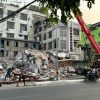
Shaken and Strained: Myanmar’s Earthquake Adding to the Misery of 4 Years of Conflict
As I walked through the streets of Sagaing and Mandalay, the scenes unfolding in the wake of the 7.7 earthquake were hard to comprehend. Tall buildings and hundreds of homes are now lying in rubble. Of those that are still standing, many are lurching at dangerous angles, defying gravity for now, but could collapse at any moment.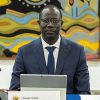
Hooves Vs. Habitats: Striking a Sustainable Balance Between Livestock and the Environment Is Crucial to Africa’s Future
In my country, Senegal, almost 70 percent of our land is used to graze livestock. Here and across Africa, pastoralists and livestock keepers sustain herding systems which are closely bound up with our landscapes and crucial to nationwide food security, economic growth, and ecological balance.
Bringing Resilience to the Table to Achieve Development Goals
The global risk landscape is evolving at an unprecedented pace, posing significant threats to attaining the Sustainable Development Goals (SDGs). As extreme weather, macroeconomic shocks, conflict, and other risks intensify and intertwine, they can create ripple effects that amplify existing vulnerabilities and put both human and development progress in peril.
The ‘Plastic Man’: Turning Trash into Treasure
In a quiet corner of Medina Gounass, on the outskirts of Dakar, Senegal, one man has taken it upon himself to breathe new life into a place many had abandoned.
Food Insecurity an Unprecedented Crisis Worldwide
Last year, 343 million people were experiencing acute food insecurity, according to the World Food Programme (WFP). That’s 10 percent higher than in 2023.
The Long Goodbye: The Rise of Dementia
As the world’s population of 8.2 billion people increases in size and becomes older due to demographic ageing, the number of people experiencing the long goodbye, or dementia, is rapidly rising.
Standing Firm: Civil Society at the Forefront of the Climate Resistance
The recent US court case that ordered three Greenpeace organisations to pay damages of over US$660 million to an oil and gas company was a stunning blow against civil society’s efforts to stop runaway climate change and environmental degradation. The verdict, following a trial independent witnesses assessed to be grossly unfair, came in reaction to Indigenous-led anti-pipeline protests. It’s vital for any prospects of tackling the climate crisis that Greenpeace’s appeal succeeds, because without civil society pressure, there’s simply no hope of governments and corporations taking the action required.« Previous Page — Next Page »





The views expressed in these articles are those of the authors and do not necessarily represent the views of, and should not be attributed to, IPS-Inter Press Service

The Week with IPS

NEXT STOP - SDGs
Tracking global progress towards a sustainable world
Tracking global progress towards a sustainable world
