Languages
Friday, September 18, 2026



News and Views from the Global South
Opinion

The Future of Food Security Lies Beyond COP29’s Negotiation Tables
Climate change has thrown our food systems into chaos. Extreme weather events and dramatic climate variations are hammering food production and supply chains across the world. As global leaders gear up for COP29, there’s plenty of buzz about climate action. But can we really expect these slow-moving, bureaucratic negotiations to deliver tangible and swift results to decarbonize and insulate our agri-food systems? Most likely not. But do not despair. While the COP29 talks unfold, crucial climate solutions for transforming food systems are already taking root on the ground.
Biodiversity Goal Can Be Achieved in the Southern Ocean
COP16, the much-anticipated follow-up talks to the 2022 Kunming-Montreal Global Biodiversity Framework (GBF) agreement, which aims to reverse an alarming loss of nature on land and sea, opens in Cali, Colombia.
A Pact for the World’s Poorest
Last month, world leaders gathered at the time of the UN General Assembly in New York and agreed on a pioneering Pact for the Future. This global accord has implications across a broad range of issues that affect every country. It offers much hope for the poorest and most vulnerable countries on the planet, known as Least Developed Countries (LDCs).
Honduras: Environmental Defenders Still under Siege
Juan López was gunned down on 14 September. An environmental activist, community leader and member of the Municipal Committee in Defence of the Commons and Public Goods of Tocoa, he was the latest victim of extractive greed in Honduras. Communities protecting the rivers that flow through the Bajo Aguán region have seen several of their leaders assassinated.
Transparency and Inclusion: The Keys to Successful 30×30 Conservation
Two years ago world leaders from nearly 200 countries made a landmark commitment to protect and conserve at least 30% of the planet's land, ocean, and freshwater by 2030 - an initiative known as "30x30".
Mortality in the Gaza-Israel War
Following the 7 October 2023 attack on Israel by Hamas-led militants, Israel’s response has led to unprecedented high mortality levels in the Gaza Strip. The Palestinian death toll over the twelve month period is believed to be among the highest such civilian casualty rates in the 21st century.
Empowering Indigenous Communities: A Path to Sustainable and Just Development
In a world where the fight for land rights often pits the powerful against the marginalized, Indigenous communities stand as resilient defenders of their ancestral lands.
Civil Society Fights Against Budget Cuts Amid Calls for “Aid” Reform
Multiple conflicts, the climate emergency and other crises are destabilising many parts of the world and intensifying the strain on the resources needed to finance the global sustainable development agenda. Amid these challenges, data from 2023, shows that Official Development Assistance (ODA) reached a record-breaking US$223.7 billion, up from US$211 billion the previous year, according to Eurodad.
Localization in Zimbabwe: A Critical Look at the Grand Bargain and Charter for Change
Localization has become a buzzword in international development, aiming to shift power and resources closer to the communities directly impacted by crises.
The Growing Gender Gap in Social Protection
Published ahead of the International Day for the Eradication of Poverty on 17 October, UN Women issued the 2024 World Survey on the Role of Women in Development Report. This is the UN Secretary-General’s Report, which is mandated by the Economic and Financial Committee (Second Committee) of the UN General Assembly, and focuses on macroeconomic policy, sustainable development, financing and poverty eradication.
Climate Justice Needs Recognition of Common, but Differentiated Responsibilities
Climate justice recognizes differential impacts of climate crisis between rich and poor, women and men, and older and younger generations. The UN Secretary-General António Guterres emphasized, “as is always the case, the poor and vulnerable are the first to suffer and the worst hit.” However, all people should have the agency to live life with dignity. Thus, climate justice looks at the climate crisis through a human rights lens.
Abortion is a Fundamental Human Rights Issue
The right to abortion is a human rights issue that no government agency, courts, local and state legislators, or anyone else has the right to violate or impede in any shape or form. It is a fundamental right that every woman must be free to exercise with impunity, in consultation with her doctor only, who acts based on his/her professional ethics and responsibility.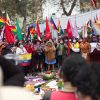
Stigmatization is the Entry Door for Repression and Violence
Information manipulation and misinformation are not new phenomena, but they have taken on exaggerated importance, especially with the massive use of social media.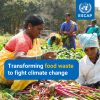
Building Resilience Against Climate Risks: The Transformative Role of Social Protection
While the impact of COVID-19 and the war in Ukraine on food system disruptions was widely covered, underlying food system vulnerabilities across Asia and the Pacific had been steadily growing long before these crises unfolded.
When Will World Food Day be a Day to Actually Celebrate?
World Food Day seems like it should be a time to celebrate. A day to eat delicious meals and enjoy the rich traditions and cultures of food around the globe.
It’s High Time to Turn the “Right to Foods” for a Healthy, Nutritious & Affordable Diet into Reality
This year the theme for World Food Day is “Right to Foods for a Better Life and a Better Future.” It’s a timely reminder that all people have the right to adequate foods. But how do we get from a right to a reality? And why is it so important to think about not just having sufficient food, but also the diversity of diets?
What do Russia and Israel Share in Common?
Russia is pursuing, during these contemporary times, a new form of economic architecture, non-hegemonic policies and simultaneously portraying its first-class military power in the world. Russia's development paradigm is distinctively different and largely oriented towards Global South.
With Climate Change, Government Apathy, Who Should Kerala’s Fishworkers Turn To?
Every morning before dawn, fishworkers along the shores of Kochi, Kerala, head out to sea, casting their nets in the shadow of the iconic Cheenavala—the Chinese fishing nets that have become a symbol of their community. I witnessed this time-honored tradition, once a reliable means of survival, now a daily gamble, a fight against unpredictable seas and shrinking fish populations.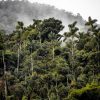
Amazonian Bioeconomy: An Essential Path for Sustainable Development
The Amazon is at a critical juncture. Despite its abundant biodiversity, cultural richness, and immeasurable environmental value, it faces serious threats that endanger its future and the communities that depend on it.
The Future of Civic Freedoms: Lessons from My Time at CIVICUS
When I joined CIVICUS in 2019, I came in with two decades of work on influencing and monitoring public policies through grassroots and global activism. Joining CIVICUS as Secretary-General felt familiar, like returning home after a period of separation. My first international role in 2006 – as Campaign Director of the Global Call to Action against Poverty – was initially hosted by CIVICUS. One of my most memorable campaign endeavours, The World We Want 2015, was conceptualised in the basement of CIVICUS House in 2011.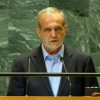
Strategic Patience can Mitigate Conflict Between Israel & Iran
How will Israel respond to Iran’s recent ballistic missiles barrage? “Strategic patience” is the best course. Israel has its hands full with Hamas and Hezbollah. Now is not the time to escalate a new major war with Iran, which could have nuclear implications.« Previous Page — Next Page »


The views expressed in these articles are those of the authors and do not necessarily represent the views of, and should not be attributed to, IPS-Inter Press Service

The Week with IPS

NEXT STOP - SDGs
Tracking global progress towards a sustainable world
Tracking global progress towards a sustainable world
