Languages
Wednesday, October 21, 2026



News and Views from the Global South

Adding Rice Farmers to the Rio+20 Agenda
The year 2011 was one of extremes for the small Sri Lankan village of Verugal.
Refugees Dream of Return, Come Home to Nightmare
Krishnaveni Nakkeeran has fled the country of her birth twice and returned twice in the last two decades. The 36-year-old mother of four from the northern Jaffna peninsula in Sri Lanka first fled the bloody civil war to India when she was just 16 years old in 1990.
Crocodiles Edged Out of Habitats in Sri Lanka
Reacting to a series of deadly crocodile attacks, the Sri Lankan government has drawn up plans to capture the free-ranging beasts and confine them to parks. Conservationists oppose this move.
Old Tsunami Nightmares, New Warning Systems in Sri Lanka
The fear was palpable for Mohideen Ajeemal when he heard the news of an 8.6 magnitude earthquake off the coast of Indonesia on Apr. 11. The last time an earthquake of similar magnitude hit the same area, Ajeemal lost two of his children, a young daughter and an infant son, when massive tsunami waves crashed onto his house on the eastern coast of Sri Lanka on the morning of Dec. 26, 2004.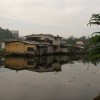
‘Slum Cities’ Need Better Planning
Sri Lanka’s capital city Colombo, the vibrant economic and administrative heart of the bustling island nation, is rapidly turning into a city of slums. Home to over 30 percent of the country’s population, one in every two people living in the Greater Colombo Area is a slum dweller.
Former War Zone Produces Plenty
Most things in Sri Lanka are becoming expensive these days. In early February fuel prices were increased by margins ranging from eight to 49 percent, with the all-important diesel, used widely in commercial transport and power generation, going up by 36 percent. The Sri Lankan rupee that was trading at 107 rupees to the dollar in January surpassed 130 rupees per dollar last week.
Sri Lanka Unfazed by U.N. Rights Resolution
As the UN Human Rights Council (UNHRC) voted in, Thursday, a resolution asking Colombo to act on recommendations made by its own Lessons Learnt and Reconciliation Commission (LLRC), Buddhist prayers reverberated through the Sri Lankan capital.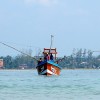
Gales, Cyclones Follow the Tsunami
The gentle waves of Weligama bay that lap at the small, tight-knit fishing village of Kaparratota, 140 km south of Colombo, can be deceptive.Sri Lanka Rattled by Planned UN Rights Resolution
Strung across the main road leading away from the international airport is a banner that has an intriguing message: ‘USA, Pls Do Not Support Terrorism’.Sri Lanka Rattled by Planned UN Rights Resolution
Strung across the main road leading away from the international airport is a banner that has an intriguing message: ‘USA, Pls Do Not Support Terrorism’.
ECONOMY: Sri Lankan Poor Hit by Triple Whammy
First the government devalued the Sri Lankan rupee by three percent in November. Then interest rates were hiked. And to cap that U.S. sanctions hit Iran, which meets 90 percent of this country’s oil needs.MALDIVES: Paradise on a Knife’s Edge
The short, one-minute video is grainy but the poor picture quality makes the scene no less chilling. Shot from a balcony, it shows the recently ousted Maldivian President Mohamed Nasheed walking out of a building, pleading with military officers to stop rioting police.SRI LANKA: Poorest Still Go Hungry
Experts agree that Sri Lanka's free pre and postnatal clinics across the island nation have helped bring infant mortality down to 15 per 1,000 live births and the under-five mortality rate to 21 per 1,000 live births.SRI LANKA: Peacetime Can Mean Hard Times
It’s a new year, a new beginning but probably a harsher reality in Sri Lanka's former war zone. As the country enters its third year since the end of a bloody sectarian war that tore the nation's fabric apart, for many of the survivors of the worst fighting, a tough but true reality is dawning. Life in peacetime may yet be a hard struggle.SRI LANKA: Female Unemployment Rises With Education
Every weekend it has been the same ritual for so many months. Buying the newspaper, going through the classified and the employment sections inch by column inch, marking job offers that could offer a chance, even remotely.SRI LANKA: Tsunami Demons Haunt the Coast
Seven years after monster waves crashed into homes, hotels and vehicles on Sri Lanka’s coast, people in this island nation continue to be haunted by demons from the sea.SRI LANKA: Peace Brings Little for the War-Disabled
There are times when Thiyagarajah Santhirakumaran, 35, wishes that he had died in Sri Lanka’s civil war. There is peace now, but with both his legs blown off by a shell he has little to look forward to except a life of dependency.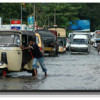
SRI LANKA: Climate Change May Not Make the News, But is All Around
 Climate change hardly makes news here in Sri Lanka, except when there is a big international conference or a devastating natural calamity. Even then, it is mentioned as a passing anecdote, a scientific theory, removed from public discourse.

SRI LANKA: Road Signs Indicate Better Times
The rough road is almost indistinguishable from the mud huts and dilapidated surroundings of this village - still pockmarked by the artillery duels of Sri Lanka’s fierce civil war that ended more than two years ago.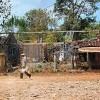
SRI LANKA: Solar Lights Dispel Post-War Gloom
The one thing that a quarter century of civil war has taught the local population in the north of the island is how to make the best use of local resources - starting with plain sunshine.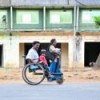
SRI LANKA: Struggling Beside the Shining New Road
The sun’s rays bouncing off the A9 highway give it a shining glow. Once known as Sri Lanka’s ‘highway of death’, the road has come a long way from those macabre associations.« Previous Page — Next Page »





The Week with IPS

NEXT STOP - SDGs
Tracking global progress towards a sustainable world
Tracking global progress towards a sustainable world
